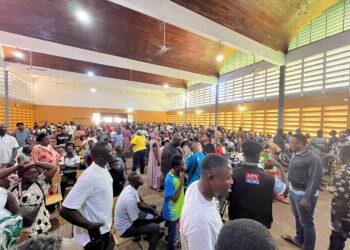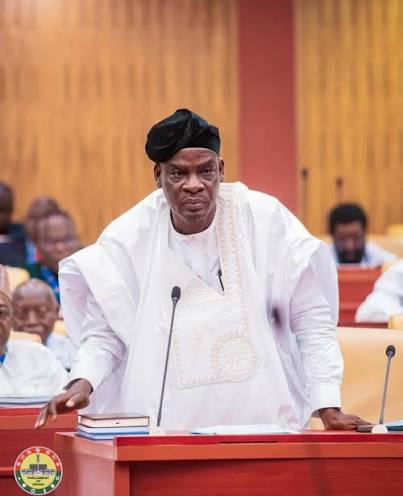
Ghana is set to host West Africa’s second High-Level Conference on Scaling Education Initiatives in Emergencies, bringing together regional education leaders and stakeholders to confront a pressing question: what happens to a child’s education when conflict, flooding or a pandemic forces school to close.
The conference, scheduled to take place in Accra from 29 to 30 September 2026, will convene education leaders, researchers, innovators, financiers, academics and development partners to examine practical solutions for sustaining children’s learning when emergencies disrupt normal schooling across the region.
The gathering marks the second edition of the High-Level Conference on Scaling Education Initiatives in Emergencies, signalling a continued regional commitment to addressing the disruption emergencies cause to education systems across West Africa.
By hosting the event, Ghana positions itself at the centre of ongoing conversations about how countries in the region can better prepare for, and respond to, crises that threaten children’s access to learning.
The two-day event is expected to draw a diverse mix of participants, reflecting the multifaceted nature of the challenge. Bringing together policymakers, researchers, technology innovators.
Financing experts and development partners under one roof is intended to encourage cross-sectoral solutions rather than isolated, sector-specific responses to educational disruption.

Ghana’s Own Experience with Disruption
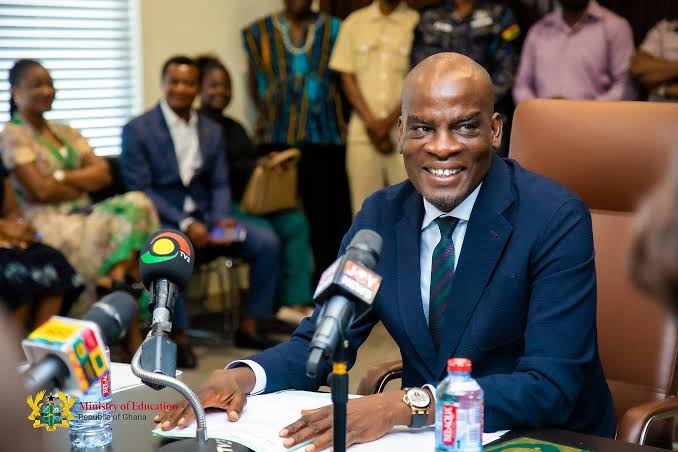
Speaking ahead of the conference, the Minister for Education, Hon. Haruna Iddrisu, drew on Ghana’s own recent experiences to underscore the urgency of the discussions.
He pointed specifically to the COVID-19 pandemic, the Akosombo Dam spillage, and ongoing conflicts such as those affecting Bawku, describing them as clear examples of how emergencies can displace learners, disrupt teaching and learning, and damage educational infrastructure.
“These emergencies have shown us how quickly displacement, disrupted teaching and learning, and damaged infrastructure can undo years of progress in education.”
Minister for Education, Hon. Haruna Iddrisu,
By citing a range of emergency types, spanning public health crises, natural disasters and armed conflict, Hon. Iddrisu emphasised that the challenge of maintaining education during emergencies is not confined to a single type of crisis but spans multiple, often unpredictable, threats to the education system.
Calls For Scaling Successful Interventions
A central theme of the Minister’s remarks was the need to move beyond isolated pilot projects toward interventions that can be scaled effectively across affected regions and communities.
Hon. Iddrisu called for successful education-in-emergencies interventions, once proven effective on a smaller scale, to be expanded more broadly rather than remaining confined to limited pilot phases.
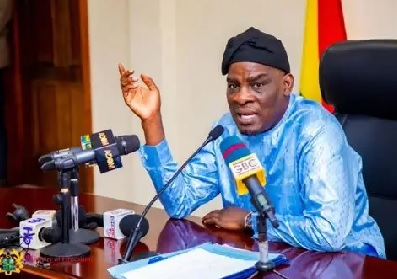
“We cannot afford to keep successful interventions trapped in pilot phases when children’s futures are at stake.”
Minister for Education, Hon. Haruna Iddrisu,
This call reflects a recognition that while pilot programmes often demonstrate promising results, translating those results into widespread, sustained impact requires deliberate policy attention and resource commitment that many such initiatives have historically lacked.
Beyond scaling interventions, Hon. Iddrisu also highlighted the need for stronger financing mechanisms dedicated specifically to education in emergencies.
He argued that without adequate and predictable funding streams, countries in the region will continue to struggle to respond effectively when crises disrupt schooling, regardless of how well-designed their intervention strategies may be.
The Minister further called for greater regional cooperation among West African countries in addressing education disruptions, suggesting that shared learning and coordinated action across borders could strengthen the collective response to emergencies that often have cross-border implications, particularly in the case of conflict-driven displacement.
Setting The Stage For Regional Dialogue
As Accra prepares to host delegates from across the region, the conference is expected to generate concrete recommendations on financing structures, scaling strategies and cooperative frameworks that participating countries can draw upon in strengthening their own education-in-emergencies responses.
Ghana’s own recent experiences, from pandemic-related school closures to infrastructure damage caused by the Akosombo Dam spillage and disruption linked to conflict in Bawku, are likely to feature prominently as case studies informing broader regional discussions during the two-day event.
The outcomes of the conference will be closely watched by education stakeholders across West Africa, particularly as countries in the region continue to navigate a complex mix of climatic, health-related and security challenges that repeatedly test the resilience of their education systems.
READ MORE: No Race Superior, No Nation Inferior: Mahama Demands Equal Respect at UN