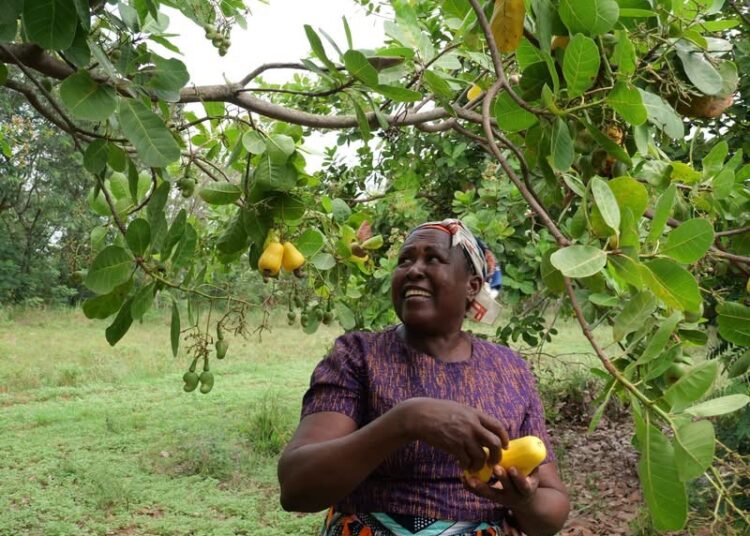
Ghana’s rural women farmers remain central to food production, household nutrition and the sustainability of agricultural communities, yet persistent inequalities in access to land, finance, technology and agricultural services continue to limit their productivity and economic potential.
As the world marks the International Day of Rural Women on October 15, the contribution of women who cultivate crops, manage natural resources, preserve agricultural biodiversity and support rural livelihoods deserves renewed attention.
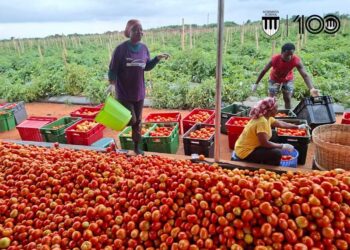
From maize and rice production to vegetable farming, shea nut collection and food processing, women contribute significantly to Ghana’s agrifood economy.
”Across the world, women are at the heart of our agrifood system. Women are central to the family, and to the feeding of the world.”
Food and Agricultural Organisation
The 2026 observance comes during the International Year of the Woman Farmer, a United Nations-designated initiative coordinated by the Food and Agriculture Organization of the United Nations (FAO), alongside other Rome-based United Nations agencies.
The initiative seeks to recognise women’s contributions throughout agrifood systems while encouraging policies and investments that address the inequalities they face.
Women at the Heart of Ghana’s Agriculture
Across Ghana’s rural communities, women participate in various stages of agricultural production, from planting and harvesting to processing, storage and marketing.
Their activities support household incomes, feed communities and sustain local food supply chains.
Women farmers are particularly important in the production and marketing of food crops, vegetables and other agricultural commodities consumed across the country. Beyond cultivation, many rural women engage in food preservation, agro-processing and trading, creating economic opportunities for themselves and their families.
Their contribution also extends to environmental protection. Women often possess valuable indigenous knowledge about local crops, seed selection, soil management, traditional food varieties and the use of natural resources.
These practices can help preserve agricultural biodiversity and strengthen communities’ capacity to adapt to changing environmental conditions.
However, the recognition of these contributions does not always translate into equal opportunities.
According to the FAO, women farmers worldwide continue to face unequal access to productive resources, including land, finance, technology, education and extension services.
These disadvantages can restrict their ability to expand production, improve yields, adopt modern farming techniques and participate in more profitable agricultural markets.
”If Women in rural areas had the same access to land, technology, financial Services, Education and Markets as men, agricultural production could be increased and the number of hungry people reduced by 100-150 million.”
Food and Agricultural Organisation
For women farmers in Ghana, access to secure land rights remains particularly important. A farmer who cannot confidently access or control the land she cultivates may struggle to make long term investments in irrigation, soil improvement, tree planting and other sustainable agricultural practices.
Limited access to affordable credit can also prevent women from purchasing improved seeds, fertilisers, machinery and other essential inputs. Where financial institutions require collateral that women cannot provide, promising agricultural businesses may remain small despite their potential to create employment and increase food production.
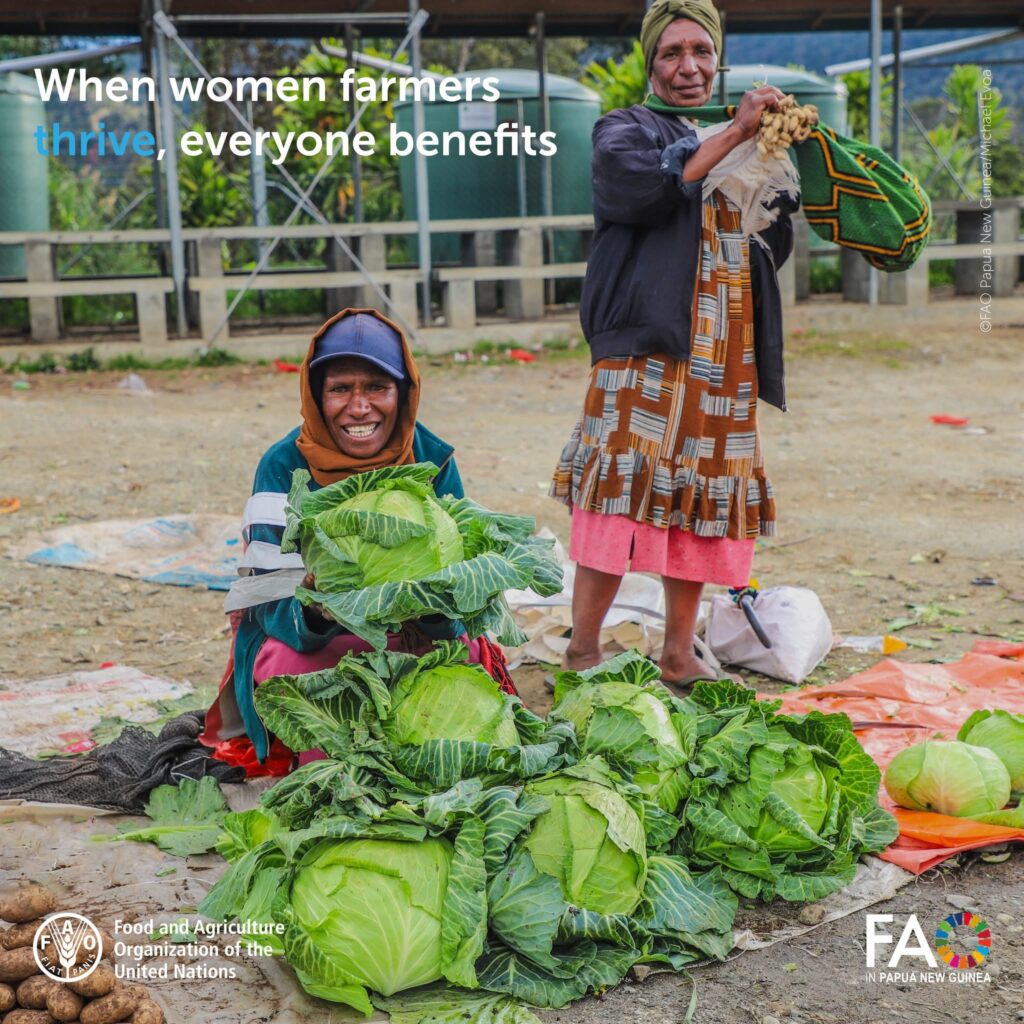
The International Day of Rural Women therefore provides an opportunity to move beyond celebrating women’s hard work towards addressing the structural barriers that constrain their progress.
FAO Calls for Investment and Equal Opportunities
The FAO is using the International Year of the Woman Farmer 2026 to draw attention to the economic and social benefits of closing gender gaps across agrifood systems.
The organisation estimates that targeted development interventions empowering women could raise incomes for an additional 58 million people and strengthen the resilience of another 235 million.
These figures demonstrate that supporting women farmers is not simply a social intervention; it is also an investment in agricultural productivity, poverty reduction and sustainable economic development.
The FAO has emphasised the need for reforms and practical measures that give women equal opportunities to access agricultural resources and participate in decision-making.
At the launch of the International Year of the Woman Farmer in December 2025, FAO Chief Economist Maximo Torero called for greater policy attention to the challenges confronting women farmers.
“The cost of inaction is enormous,’’ Mr. Torero made the remark while highlighting the economic consequences of gender inequalities in agriculture and the need for policies that improve women’s access to productive resources.
For Ghana, translating this call into action requires coordinated efforts by government institutions, financial organisations, agricultural research bodies, development partners and private businesses.
Agricultural programmes must ensure that women farmers can access affordable financing, quality inputs, practical training, mechanisation services and reliable markets.
Financial institutions could also develop products suited to the seasonal nature of agricultural incomes, while farmer based organisations and cooperatives could help women negotiate better prices, purchase inputs collectively and access larger markets.
Equally important is the need to strengthen agricultural extension services so women receive timely information on improved farming practices, pest management, soil conservation, post-harvest handling and climate-smart agriculture.
Digital technologies also offer opportunities to improve access to weather forecasts, market information, mobile financial services and agricultural advisory support.
However, these benefits depend on affordable connectivity, digital literacy and access to appropriate devices.
”Empowered women Farmers are key agents of change in transforming agrifood systems. Investing in women farmers strengthens food security, it drives rural development; and it builds resilience.”
Food and Agriculture Organisation
Investments must therefore address the practical barriers preventing rural women from benefiting fully from agricultural innovation.
Climate Resilience Begins With Empowering Women
Climate change presents another significant challenge for Ghanaian women farmers, particularly those whose livelihoods depend on rainfall, small-scale production and natural resources.
Irregular rainfall, prolonged dry spells, flooding and extreme temperatures can affect planting schedules, reduce crop yields and increase the cost of agricultural production.
When harvests decline, women who depend on farming and food trading may experience reduced incomes alongside increased pressure to provide food for their households.
The FAO’s work on gender and climate change highlights the unequal effects of climate-related shocks on rural livelihoods. Its research indicates that extreme heat can reduce agricultural production and intensify the challenges facing women farmers.
Strengthening women’s access to irrigation, climate information, drought-tolerant seeds, improved storage facilities and agricultural insurance could help reduce these risks.
Women should also be included in decisions concerning natural resource management, agricultural investment and climate adaptation. Their knowledge of local farming conditions and community needs can contribute to the development of practical solutions that reflect the realities of rural life.
In Ghana, supporting women farmers to adopt sustainable practices could also help protect soil fertility, conserve water, preserve indigenous crop varieties and reduce post harvest losses.
The International Year of the Woman Farmer provides an opportunity to connect these priorities with broader national objectives for food security, employment creation, agricultural modernisation and rural development.
The FAO has stressed that empowering women across agrifood systems can improve household well-being, strengthen food security and build resilience. Its call for action places emphasis on sustained investment, inclusive policies and equal access to opportunities rather than recognition alone.
As Ghana marks the International Day of Rural Women, the challenge is to ensure that the women who contribute to feeding the nation are not left behind in the transformation of its agricultural sector.
Recognition must translate into secure land rights, accessible financing, improved technology, stronger market connections and meaningful participation in agricultural decision-making.
For Ghanaian women farmers, these opportunities could mean higher incomes, more productive farms, stronger businesses and greater economic independence.
Ultimately, investing in rural women is an investment in the nation’s food systems, environmental sustainability and future prosperity.
READ ALSO:Prof. Oquaye Calls for Mineral Ownership to End Youth Unemployment