Prof. Aaron Mike Oquaye, a distinguished Institute of Economic Affairs (IEA) fellow and former Speaker of Ghana’s Parliament, has asserted that national sovereignty over mineral resources is the fundamental solution to the country’s escalating youth unemployment crisis.
Speaking with The Vaultz News, the veteran statesman highlighted the glaring paradox between Ghana’s immense natural resource wealth and the widespread economic hardship experienced by its young population.
He advocated for a total shift in natural resource governance, emphasizing that reclaiming ownership of extraction rights and establishing local processing infrastructure would instantly generate sustainable jobs and industrial capacity.
“We complain about youth unemployment and lack of resources for youth yet we have diamond, bauxite gold, lithium, oil and so on. These minerals are used to develop elsewhere and our youth are here wallowing in hunger. We would not complain about this youth unemployment if we own our minerals resources and mine and refine them in Ghana here.”
Prof. Aaron Mike Oquaye
Expanding on this premise, the former Speaker noted that Ghana’s socio-economic vulnerabilities persist not because of resource scarcity, but due to structural shortcomings in legal ownership frameworks and foreign-dominated concession agreements.
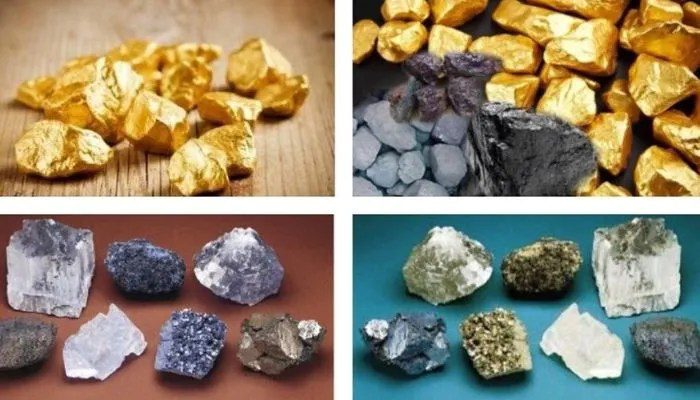
The nation continuously exports unprocessed primary commodities including gold, bauxite, lithium, and crude oil thereby outsourcing high-value downstream jobs, technology transfer, and capital accumulation to industrialize foreign markets.
By shifting foreign concession regimes toward national ownership and domestic value addition, Ghana can retain the economic rents needed to create expansive manufacturing sectors, fund local skill development programs, and establish direct employment pipelines for millions of young graduates.
The Paradox of Resource Abundance and Youth Deprivation
The contrast between Ghana’s mineral wealth and its demographic economic reality remains one of West Africa’s most pressingly documented policy challenges.
Despite decades of commercial extraction, official socio-economic indicators reveal that over a quarter of young citizens remain either unemployed or underemployed.
Foreign multinationals traditionally capture the vast majority of refining margins, leaving the state with modest royalties and taxes that fail to offset local environmental impacts or build lasting infrastructure.
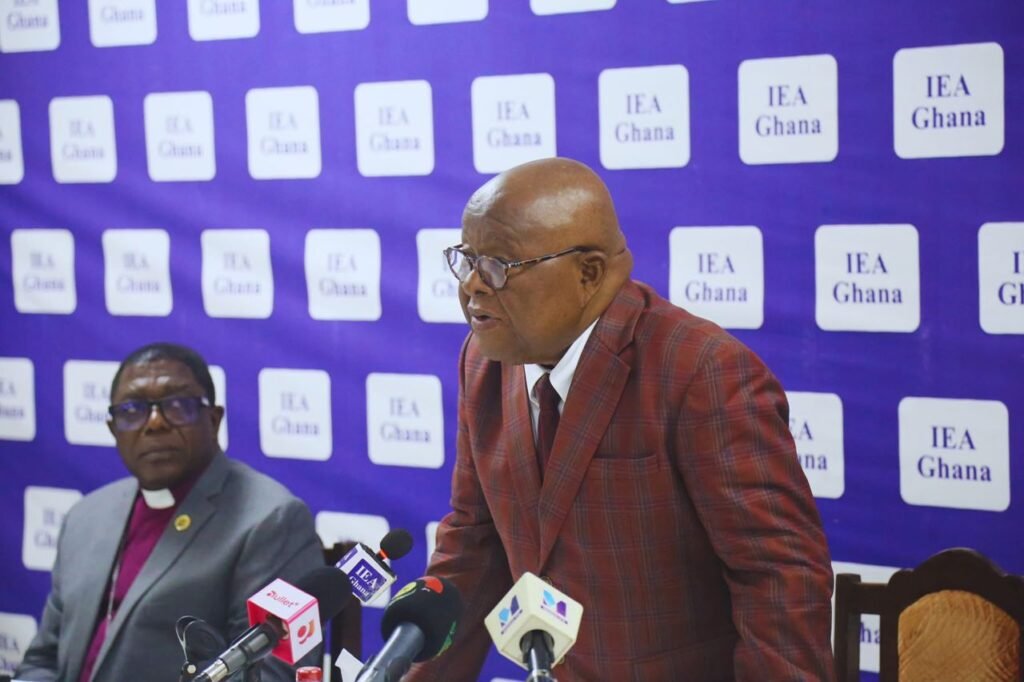
Prof. Aaron Mike Oquaye emphasized that this economic disparity persists precisely because “these minerals are used to develop elsewhere,” starving domestic markets of the foundational capital required to establish competitive industrial economies.
Transitioning from a raw material exporter to a fully integrated industrial power requires breaking the legacy of colonial-era resource concessions.
Historically, extractive industries in Sub-Saharan Africa operated on enclaved export models where raw materials were extracted and shipped directly out of local ports with zero domestic processing.
Reversing this trend demands that state institutions renegotiate mining leases to mandate local ownership shares, in-country smelting, and domestic supply chain integration, ensuring that resource wealth yields tangible economic opportunities for citizens.
Building Local Value Addition and Refining Capacity
Achieving true resource ownership requires establishing modern refining infrastructure within national borders to capture the complete commodity value chain.
For decades, Ghana has exported millions of tons of high-grade bauxite and unrefined gold bullion, only to re-import finished aluminum products and processed jewelry at inflated market prices.
Domestic value addition completely transforms this dynamic by anchoring processing plants, metallurgical testing laboratories, and engineering hubs locally.
This strategic pivot converts raw resources into finished industrial inputs, driving domestic manufacturing and creating thousands of specialized engineering, administrative, and technical positions for the youth.
Furthermore, critical energy-transition minerals such as lithium present a timely opportunity to enforce domestic processing mandates before commercial production reaches full capacity.

Enacting strict local refining legislation guarantees that green energy metals power domestic battery manufacturing and technological innovation rather than serving merely as unprocessed exports.
Establishing integrated value chains ensures that value creation, intellectual property development, and corporate tax revenues remain within the national ecosystem to finance long-term industrialization.
Legislative Reform for Sustainable Job Creation
Enacting meaningful resource ownership necessitates sweeping legislative and institutional reforms aimed at empowering local businesses and public institutions.
Parliament must prioritize comprehensive local content legislation that mandates significant equity stakes for state institutions and domestic investors across all mining concessions.
Ultimately, aligning resource governance with national development goals provides a sustainable roadmap to eliminate youth hunger and joblessness.
By redirecting resource revenues into local infrastructure, technical education, and industrial processing centers, Ghana can build a resilient economy capable of absorbing its growing youth workforce.
Full mineral ownership serves not merely as an economic strategy, but as a vital national imperative to ensure long-term socio-economic independence, dignity, and prosperity for future generations.
READ ALSO: UK Prepares Further Military and Economic Support for Ukraine