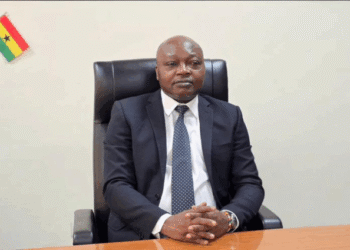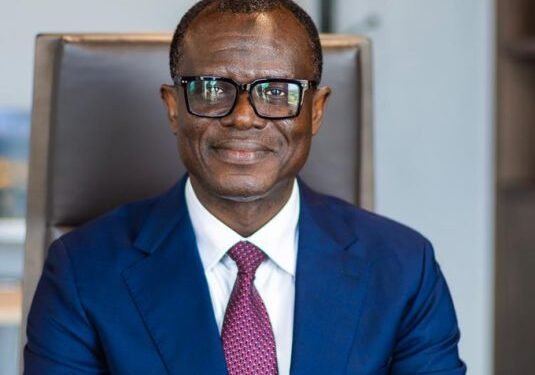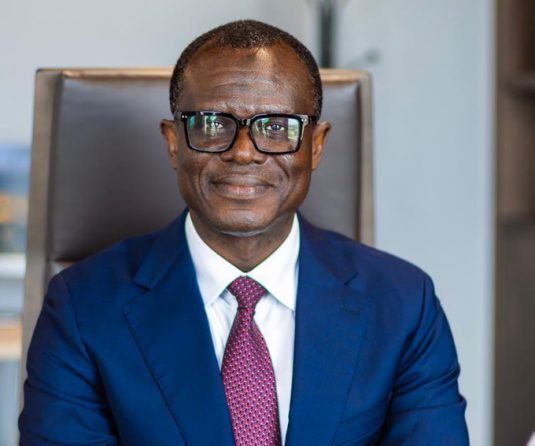
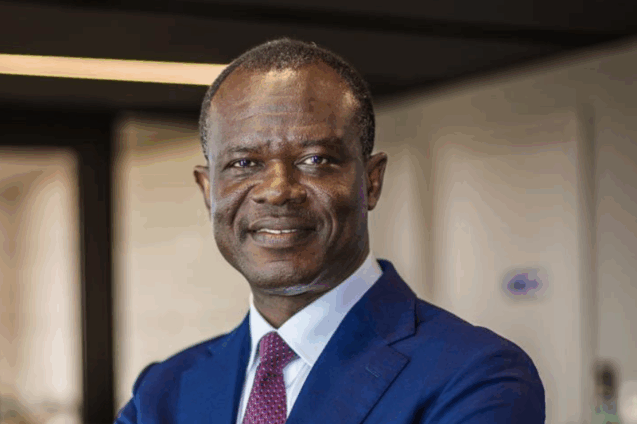
Dr. Zakari Mumuni, the 1st Deputy Governor of the Bank of Ghana, has declared the nation’s economic recovery a cornerstone for restoring international financial credibility. Speaking at the launch of the ACI World Congress 2026 in Accra, Dr. Mumuni highlighted that Ghana’s selection as the host for this prestigious global event is no accident.
It is, instead, a direct “significant milestone,” reflecting the drastic stabilization of the nation’s macroeconomy over the past year. As global financial market players prepare to converge in Accra on May 21 and 22, the Bank of Ghana is leveraging this moment to showcase a resilient financial hub that has successfully transitioned from a period of high volatility to a state of robust, data-backed growth.
“These achievements underscore our commitment to sustaining the economy’s recovery and resilience. Ghana being host for this year’s congress is a significant milestone for the nation’s international credibility as a stable financial hub.
“The successes chalked up on both policy and macroeconomic fronts position Ghana as a competitive and reliable partner in global markets. We are espousing an open-door policy to maintain this momentum”
Dr. Zakari Mumuni, 1st Deputy Governor of the Bank of Ghana
The hosting of the 64th ACI World Congress marks a historic achievement for the sub-Saharan region. It is the first time in nearly two decades that a country in this block has hosted the event, with South Africa being the only other African host in the congress’s 70-year history.
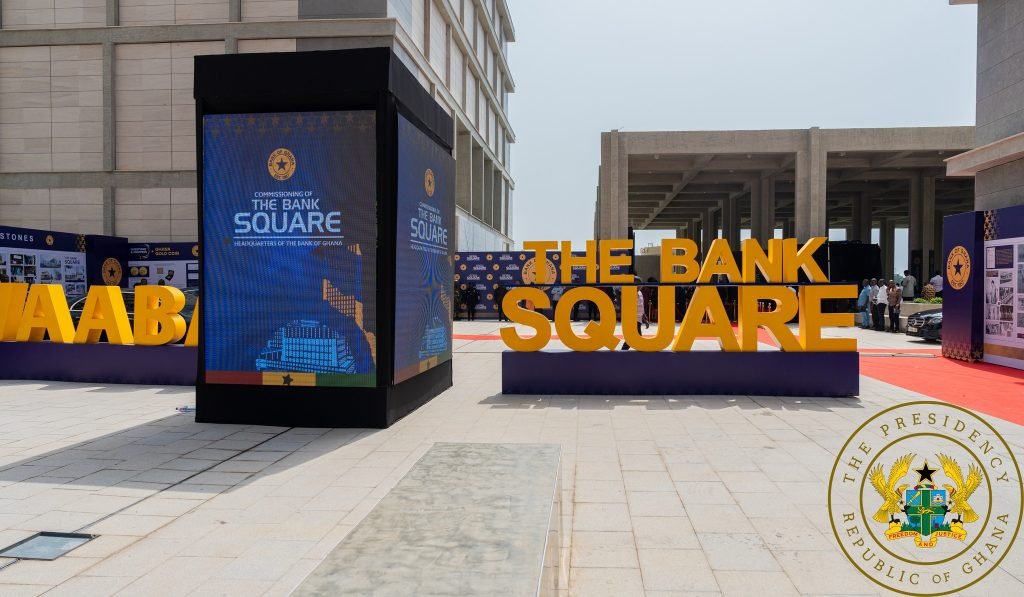
For Dr. Mumuni, this is the ultimate “testament to macroeconomic stability,” and a signal to global capital that the Ghanaian market is both competitive and reliable. He noted that central to this restored confidence is a series of record-breaking macroeconomic indicators recorded throughout 2025.
Dr. Mumuni revealed that inflation underwent a “meteoric fall,” plummeting from a staggering 23.8 percent in December 2024 to just 5.4 percent by December 2025. This disinflation has been supported by a historic performance of the national currency; the Cedi recorded its first annual appreciation since 1992.
Furthermore, Ghana’s external buffers have seen a massive infusion, now exceeding $13.8 billion. This represents approximately 5.7 months of import cover – a figure that significantly outstrips the International Monetary Fund (IMF) program target of three months.


These reserves provide a critical shield against external shocks and have given the central bank the necessary leverage to maintain currency stability and lower interest rates, thereby spurring domestic borrowing and growth.
Diversifying through Digital Reform
Beyond the numbers, the Bank of Ghana has implemented aggressive policy reforms to modernize the financial landscape.
Dr. Mumuni specifically cited the passage of the Virtual Asset Service Providers (VASP) Act and the introduction of new guidelines for non-interest banking as pivotal moves. By formalizing the digital asset sector and creating a framework for non-interest financial products, Ghana is opening its doors to a broader array of global investors who previously faced regulatory ambiguity.
Lawrence Osilaja Boampong, CEO of ACI Ghana, noted that these reforms are perfectly timed, revealing that institutional investors from both Europe and the Middle East are now eyeing the May congress as a strategic entry point into the wider African market.
The congress is expected to serve as a catalyst for new partnerships, with investors eager to understand the “success story” behind Ghana’s rapid fiscal turnaround. “A lot of investors are asking themselves, ‘What’s happening in Ghana?’ They want to be a part of this success story,” he added.
The sentiment of resilience was echoed by Steve Williams, Managing Partner of Treasury Warehouse, who credited the central bank’s coordinated regulatory approach for the current stability. Mr. Williams argued that with sufficient reserves and a projected decline in interest rates, the Ghanaian economy is now better positioned to handle global market fluctuations than at any point in recent history.

For the local financial community, the event is also a moment of immense national pride. Othniel Ekow Kwainoe, a Member of Parliament and the first CEO of ACI Ghana, described the upcoming congress as a “full-circle moment,” that finally puts the Ghanaian financial professional on the global stage.
READ ALSO: $70bn IMF Rescue Cushioned Africa’s Economies, Ghana Included