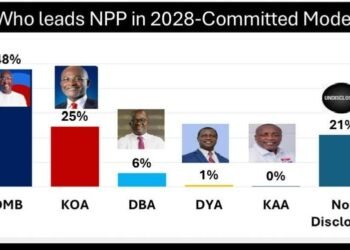
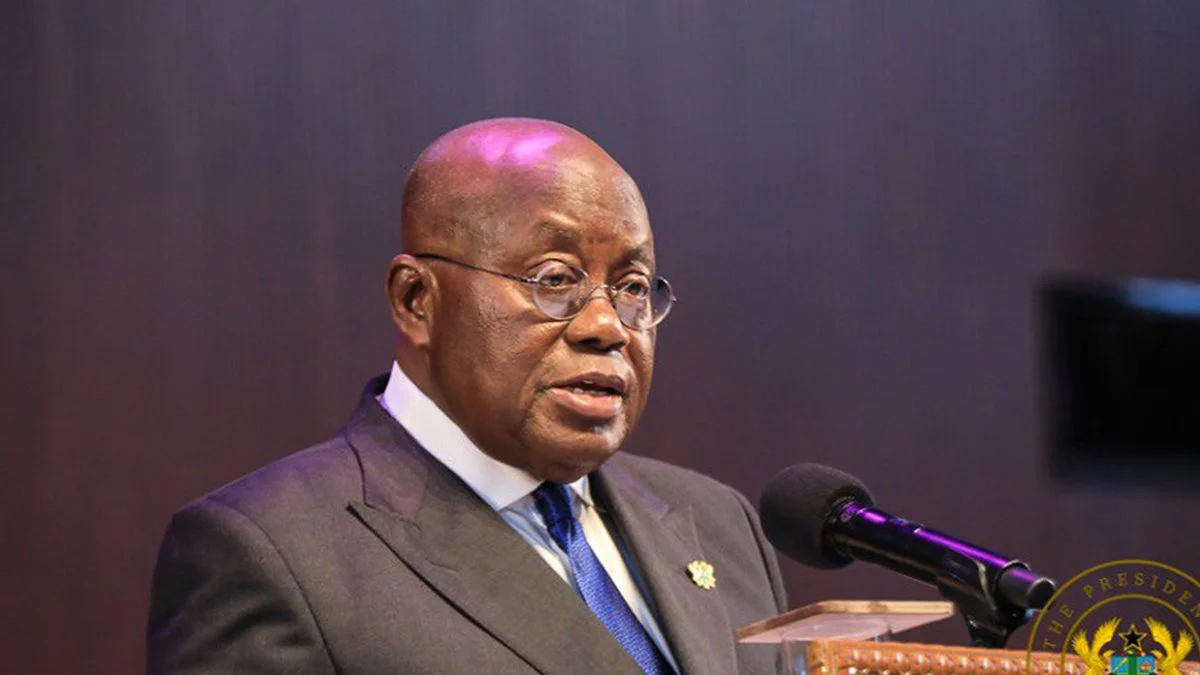
Former President Nana Addo Dankwa Akufo Addo has called on members of the New Patriotic Party to place unity and discipline above individual ambition as the party prepares for its presidential primaries scheduled for January 31, 2026.
Speaking at the signing of a peace pact by flagbearer aspirants, the former President stressed that the NPP is larger than any single personality and warned that internal divisions could undermine both the party’s prospects and public confidence in its democratic values.
Addressing party executives, elders, presidential aspirants, members of the National Peace Council, and security officials, Akufo Addo described the occasion as significant not only for the NPP but also for Ghana’s democratic journey.
“I know the campaign has generated some heat among aspirants and supporters. I believe I’m qualified to say that we have seen it all before. Do not be discouraged by the excesses”.
Former President Nana Addo Dankwa Akufo Addo
Once the primaries are concluded, he stressed, the party must move forward as a united force. He illustrated this point with another personal reflection from 1998, when he contested the NPP presidential primaries and placed second to John Agyekum Kufuor.
According to him, his decision to become Kufuor’s chief campaigner after the contest was driven by conviction rather than convenience. That unity, he said, contributed significantly to the party’s first presidential victory in 2000.
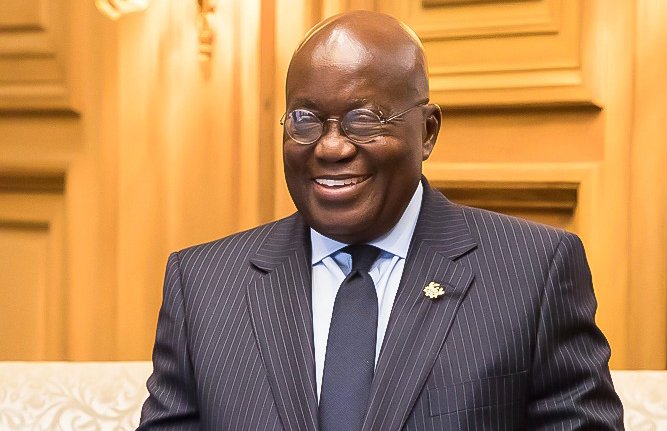
Akufo Addo noted that when it later became his turn to lead the party as flagbearer, he benefited from the same loyalty and support from former competitors. He described this tradition of fraternity as an inheritance that must be protected, arguing that it has sustained the NPP through both victories and setbacks.


NPP’s Ideals
Turning to ideology, the former President said the core values of the NPP remain attractive to a broad cross section of Ghanaians. He pointed to the party’s emphasis on individual liberty, respect for human rights, private enterprise, the rule of law, and human development as principles that continue to resonate nationally.
When the party struggles, he argued, it is rarely because these ideas have lost relevance, but rather because of lapses in discipline or unity. Akufo Addo described the peace pact signed by the aspirants as more than a ceremonial gesture.
In his words, it represents a solemn commitment that ambition will not override fraternity and that competition will not descend into hostility. He stressed that once the ballot has spoken, the party must rally behind the chosen candidate without reservation.
Addressing the aspirants directly, he said their conduct during and after the primaries will shape the moral direction of the party. History, he noted, will judge not only who emerges victorious but also how all contenders comport themselves throughout the process. He was emphatic that no grievance, faction, or personal ambition is greater than the party itself.
Unity, Akufo Addo insisted, is not merely a slogan but a strategic necessity for electoral success. He urged aspirants to ensure that the peace pact is not only signed but lived, calling for campaigns that are firm yet fair.
He cautioned against insults, intimidation, and bitterness, stressing that loyalty to individuals must never supersede loyalty to the party. As he concluded, the former President expressed confidence in the future of the NPP, describing it as the best vehicle for advancing Ghana’s development.
He said the responsibility of party members is to keep that vehicle united, disciplined, and worthy of public trust. By honoring its history and placing party and country above personal interest, he added, the NPP can look forward to a strong and credible future.
NPP’s Ideological Lineage
Akufo Addo used the occasion to reflect on the historical roots of the party, tracing its ideological lineage to the formation of the United Gold Coast Convention in 1947.
He recalled that from its inception, the tradition that later became known as the Dankwa Domo Busia tradition made a clear choice in favor of leadership by the ballot rather than by force or intimidation.
He noted that the early leaders of the movement were individuals with strong convictions and personalities, yet they were united by discipline, mutual respect, and a commitment to democratic process.
According to him, that founding principle remains relevant today. He emphasized that while elections determine winners and losers, the true test of a party’s internal democracy lies in the conduct of all participants before, during, and after the contest.
He cited the NPP’s first presidential primary in 1992 as an example, recalling how aspirants rallied behind Professor Albert Adu Boahen after the contest and worked collectively despite the difficult political environment of the time.
“In 1998, I contested the presidential primaries and came second to John Agyekum Kufour, subsequently the second president of the fourth republic. When the contest ended, I did not hesitate. I became his chief campaigner.
“That decision was not about convenience. It was about conviction. The unity we demonstrated then helped deliver the first historic presidential victory of the NPP in 2000.”
HE Nana Addo Dankwa Akufo-Addo, former President of Ghana
Collective Purpose
That spirit of collective purpose, he said, must continue to guide the party as it navigates competitive internal contests. The former President warned that a political organization that cannot manage victory with humility or defeat with dignity cannot expect to earn the trust of the electorate.
He noted that Ghanaians pay attention not only to policy positions but also to behavior, especially during moments of internal competition. In his view, a divided party is neither stable nor attractive to voters.
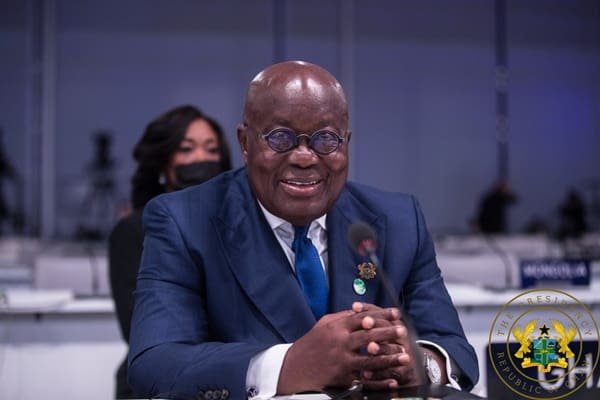
He commended the national officers of the party, including the Chairman and members of the Presidential Election Committee, for organizing what he described as a landmark primary involving the largest number of delegates in the history of the party. According to him, the scale of participation reflects the growth, depth, and democratic maturity of the NPP.
The former President also welcomed the presence of the Inspector General of Police and senior officers at the ceremony, noting that their assurances of peace and security were reassuring.
He said the party was counting on the police to ensure that the January 31 process is conducted in a calm and orderly manner, adding that credible security arrangements are essential to preserving confidence in the internal electoral process.
READ ALSO: WFP Warns Of Food Assistance Cuts In Nigeria