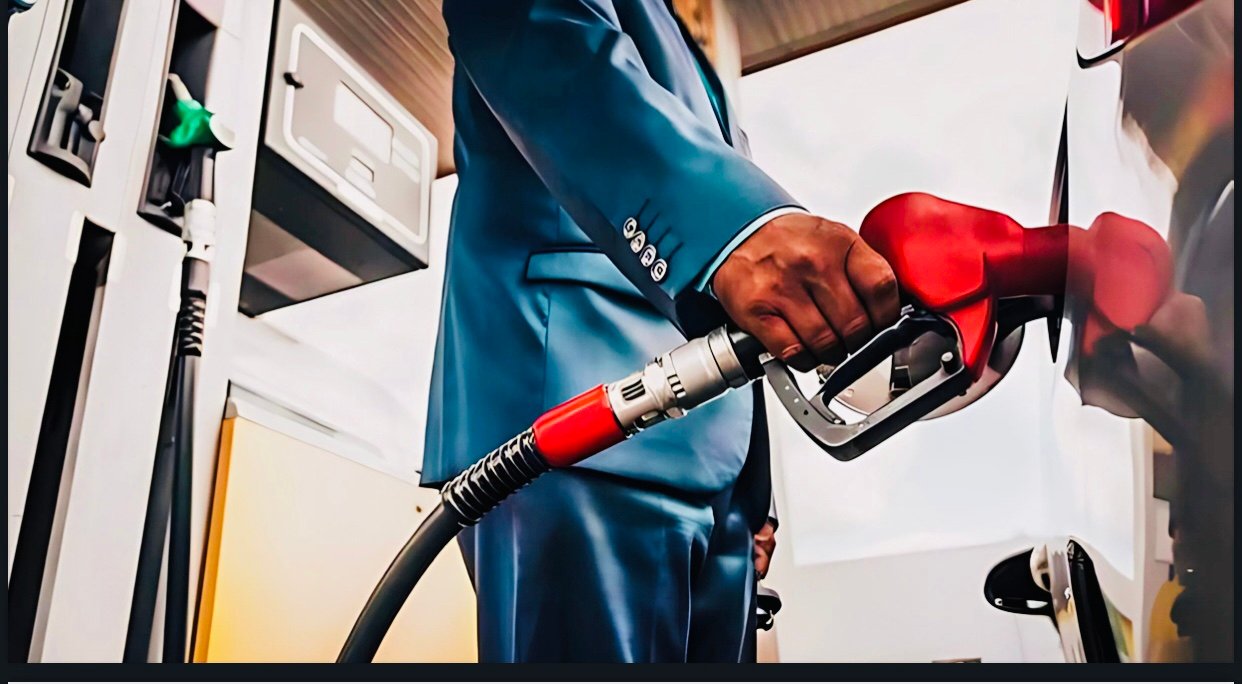
The Africa Sustainable Energy Centre (ASEC) has called for urgent and far-reaching reforms in Ghana’s downstream petroleum sector, warning that recent developments, including Star Oil’s withdrawal from the Chamber of Oil Marketing Companies (COMAC), expose deeper structural weaknesses in the industry.
In a statement responding to the unfolding debate around fuel pricing and industry governance, ASEC said the controversy highlights persistent challenges relating to competition, representation, and consumer welfare.
According to the policy think tank, these challenges threaten the long-term efficiency and credibility of Ghana’s deregulated petroleum market.
“Following Star Oil’s withdrawal from COMAC, ASEC raises concerns about deeper structural weaknesses in Ghana’s petroleum downstream market, particularly around competition, representation, and consumer welfare.”
Africa Sustainable Energy Centre (ASEC)
Price Floor Policy Under Renewed Scrutiny

Central to ASEC’s concerns is the petroleum price floor policy, which was originally introduced as a temporary safeguard against destructive price undercutting among oil marketing companies (OMCs).
ASEC argued that the policy has gradually shifted from a protective measure into an obstacle to fair competition.


“The price floor has evolved from a temporary safeguard into a barrier to fair competition,” ASEC noted, stressing that the policy no longer serves its intended purpose in a deregulated market.
According to the Centre, the continued enforcement of minimum pricing has constrained efficient OMCs that are capable of operating at lower costs. As a result, consumers are denied the benefits of competition, including lower pump prices and improved service delivery.
“Efficient OMCs are constrained from passing cost savings to consumers,” the statement said, warning that the policy effectively neutralises competitive advantages that could otherwise deliver relief to households and businesses.
Trade Associations and Governance Concerns
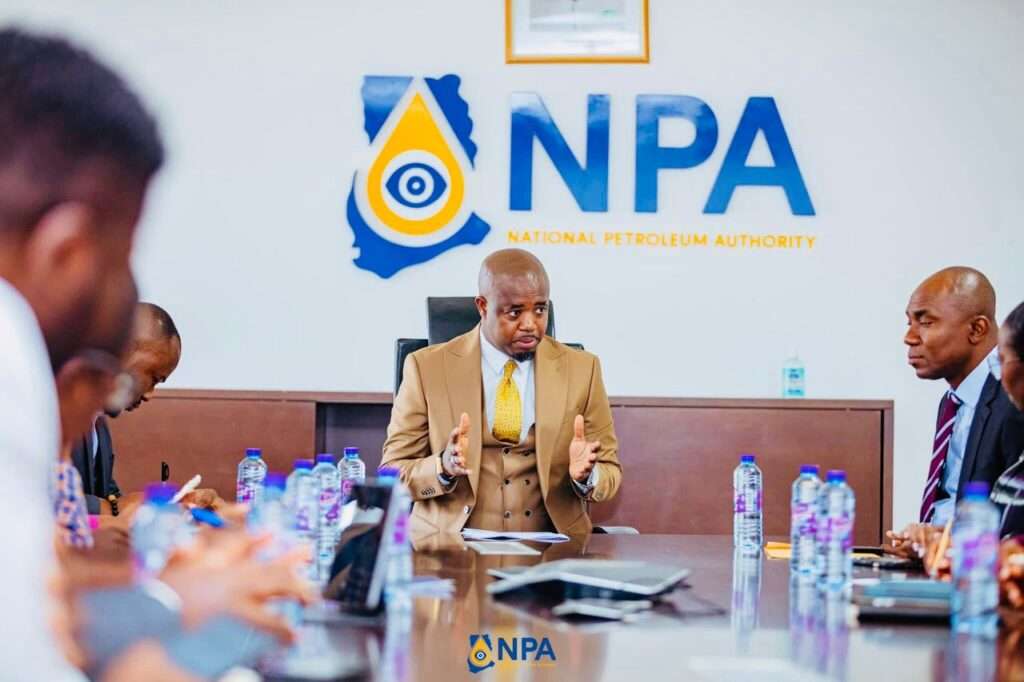
ASEC also raised concerns about the role of trade associations in the downstream sector, cautioning that weak governance structures risk undermining innovation and competition.
While industry associations are meant to promote best practices and collective problem-solving, ASEC warned that they can sometimes have the opposite effect.
“Trade associations risk shielding inefficiency rather than enabling innovation,” the Centre said, pointing to governance arrangements that may prioritise the survival of weaker firms over consumer interests and market efficiency.
The think tank argued that the governance structure of COMAC, in particular, requires reform to ensure broader representation and stronger advocacy for consumers.
In its recommendations, ASEC called for changes that would balance the interests of large and small OMCs while embedding consumer protection at the heart of industry decision-making.
Criticism of Regulatory Oversight

ASEC was also critical of the National Petroleum Authority’s (NPA) continued defence of the price floor policy, describing it as inconsistent with the goals of deregulation.
According to the Centre, the regulator’s position fails to adequately account for market scale efficiencies and evolving competitive dynamics.
Rather than fixing prices, ASEC believes the NPA should shift its focus toward monitoring competition using data-driven tools, enforcing standards, and addressing anti-competitive practices on a case-by-case basis.
As part of its proposed reforms, ASEC is urging policymakers to phase out the price floor and replace it with a modern, technology-led approach to market oversight.
Under this model, pricing would remain flexible, while regulators rely on data analytics to identify predatory pricing, collusion, or other market abuses.
ASEC also advocated for the adoption of dynamic pricing systems that enhance transparency and empower consumers to make informed choices.
Such systems, the Centre argues, would align Ghana’s petroleum market with global best practices and encourage innovation among OMCs.
“ASEC remains committed to independent, evidence-based policy guidance to advance a fair, competitive, and people-centred energy market in Ghana.”
Africa Sustainable Energy Centre (ASEC)
Why the Debate Matters Now

ASEC stressed that the timing of these reforms is critical, particularly in light of rising living costs and growing pressure on household incomes. According to the Centre, consumers need relief more than ever, and inefficient pricing structures only worsen economic hardship.
“Rising living costs heighten the need for consumer relief,” ASEC said, adding that prolonged market distortions weaken investor confidence and discourage much-needed investment in the sector.
The Centre also noted that Ghana’s petroleum retail market is overcrowded, with many OMCs competing for limited market share. ASEC argued that an efficiency-led consolidation process, driven by competition rather than protection, would strengthen the industry.
“Ghana’s crowded OMC landscape would benefit from efficiency-led consolidation,” the statement said, suggesting that a more competitive environment would reward innovation and operational excellence.
As debate intensifies following Star Oil’s exit from COMAC, ASEC’s intervention adds momentum to calls for structural reform in Ghana’s downstream petroleum sector.
The Centre insists that without decisive action, current policies risk undermining deregulation, burdening consumers, and eroding trust in market institutions.
For ASEC, the path forward lies in reforming governance, embracing data-driven regulation, and placing consumers at the centre of petroleum market policy, steps it believes are essential for building a resilient, competitive, and fair energy market in Ghana.
READ ALSO: Stanbic Bank Targets Sustainable Growth Through SME Partnerships