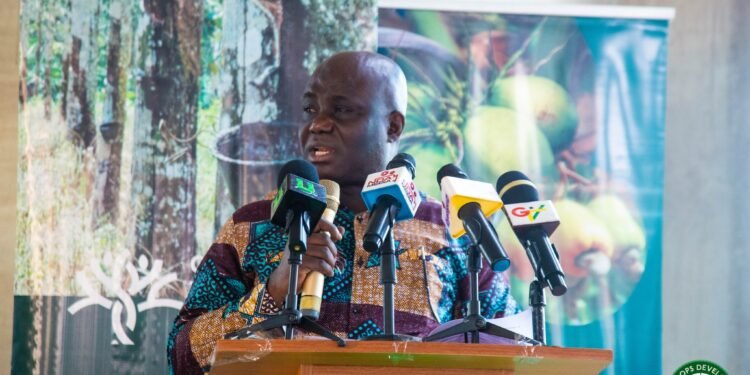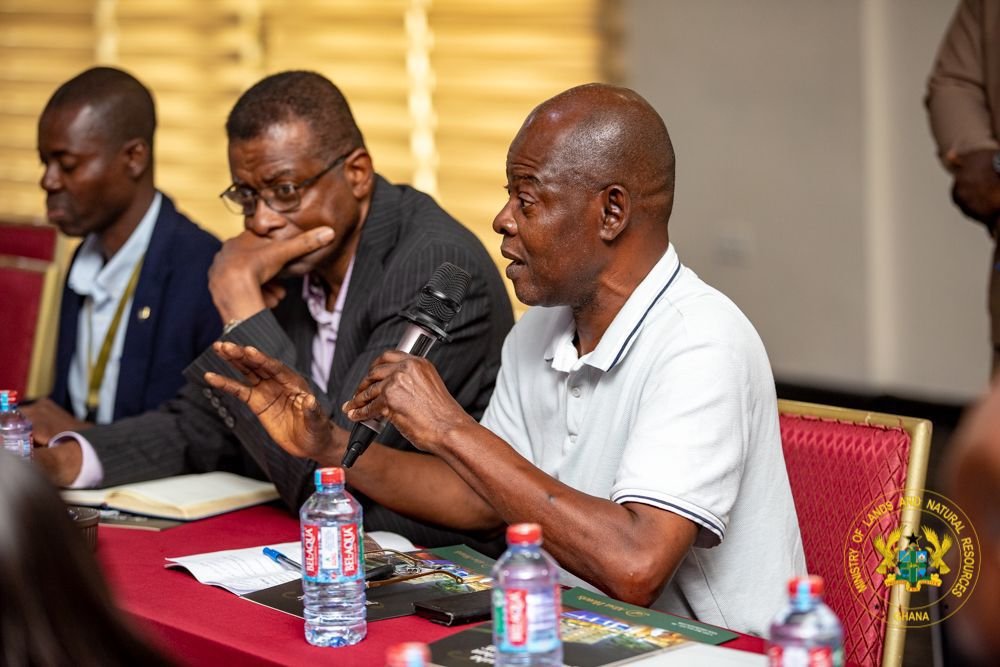
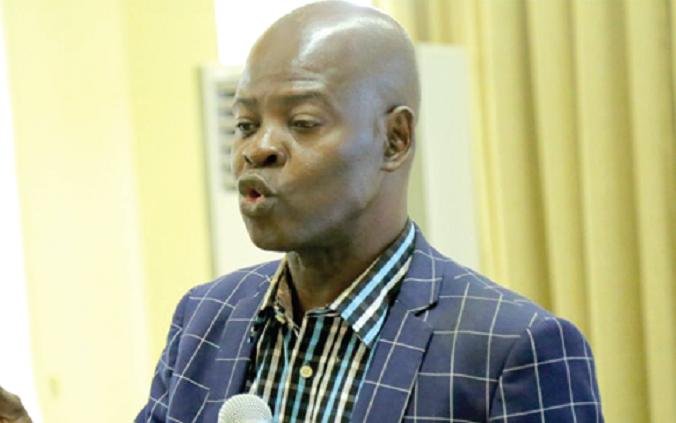
Dr. Steve Manteaw, a policy analyst and Co-Chair of the Ghana Extractive Industries Transparency Initiative (GHEITI), has shed light on the technical “brain” that fueled the successful resistance of Agyapa Royalties deal .
According to Steve Manteaw, the victory for national interest was an independent financial modeling study commissioned by the EITI International Secretariat, which systematically dismantled the government’s claims of a fair valuation.
Dr. Manteaw emphasized that the primary driver for the deal’s suspension was the glaring discrepancy between the state’s projected revenue and the actual market value of the assets, as revealed by rigorous, evidence-based analysis.
“The Agyapa transaction was shrouded in an opaque implementation process that lacked the necessary public oversight and consultative depth required for such a significant state-owned asset. This approach rather raises moral and governance questions, as the assumption that parliamentary approval alone represents the interest of all Ghanaians is deceptive and turns democracy on its head. It is this lack of transparency and the rushed amendments to the MIIF Act that created deep-seated suspicion among stakeholders.”
Dr. Steve Manteaw

This technical scrutiny, conducted by the expert firm OpenOil, utilized a sophisticated discounted cash flow (DCF) model to evaluate the 49% stake of Agyapa Royalties intended for the London Stock Exchange.
While the government provided a guidance range of US$ 500 million to US$ 750 million, the OpenOil study exposed this as a gross undervaluation of the nation’s mineral wealth.
Dr. Manteaw points out that the analysis suggested the same 49% stake could be worth as much as US$ 1.47 billion if calculated against the prevailing spot price of gold.


This massive US$ 720 million valuation gap provided the necessary ammunition for GHEITI and allied Civil Society Organizations (CSOs) to challenge the “indecent haste” of the transaction.
The Valuation Gap and Economic Sovereignty

The technical findings by OpenOil served as the pivot upon which the entire rejection campaign rotated, transforming a political debate into a quantifiable economic argument.
By establishing that the Special Purpose Vehicle (SPV) was fundamentally undervalued, the study highlighted a “tunnel vision” approach by the government that prioritized immediate liquidity over long-term fiscal stability.
Dr. Manteaw has frequently noted that the deal sought to collateralize future gold royalties which are essentially the heritage of future generations in exchange for a lump sum that failed to reflect the true “fair value” of the gold reserves.
This independent financial model allowed organizations like IMANI Africa and the Alliance of CSOs to move beyond rhetoric and present the government with hard data that illustrated a potential multi-million-dollar loss to the state.
Preventing the Mortgage of Mineral Heritage
The suspension of the Agyapa deal saved the country from what experts described as a “bad business case” that would have drained the public purse for decades.
Between 2020 and 2022 alone, Ghana’s cumulative mineral royalty receipts exceeded US$ 720 million; under the proposed deal, half of this steady, reliable income would have been forfeited for a one-time upfront payment of just US$ 500 million.
Through the lens of an extractive expert, the rejection prevented the permanent ceding of 75.6% of royalties from 12 producing mines and four development assets to an entity registered in a tax haven, Jersey.
The move shielded Ghana from significant sovereign risks, including the “repulsive” waiver of sovereign immunity that would have exposed the nation to international lawsuits.
Transparency as a Tool for Accountability

Ultimately, the Agyapa saga underscores the indispensable role of the GHEITI and the EITI framework in ensuring that the management of natural resources is subject to public scrutiny.
The OpenOil study was not merely a financial exercise; it was an act of “counter-conduct” against a regime of secrecy that threatened to bypass established accountability mechanisms.
By providing a technical basis for the rejection, Dr. Manteaw and his colleagues demonstrated that transparency is the most effective safeguard against the undervaluation of national assets.
This case serves as a global blueprint for how independent modeling and civil society activism can converge to protect a nation’s extractive wealth from lopsided and disadvantageous commercial agreements.
READ ALSO: Ghana Stocks End Week on Upbeat Note