Ministry of Lands and Natural Resources has announced a strategic shift in Ghana’s extractive framework with the introduction of a medium-scale mining licencing category.
This new tier is designed to bridge the regulatory gap between small-scale artisanal operations and large-scale multinational concessions, providing a formalized pathway for Ghanaian entrepreneurs who have outgrown artisanal status but lack the capital for industrial-scale ventures.
By broadening the scope of legal participation, the Ministry aims to foster a more inclusive and responsible mining environment that prioritizes domestic economic empowerment.
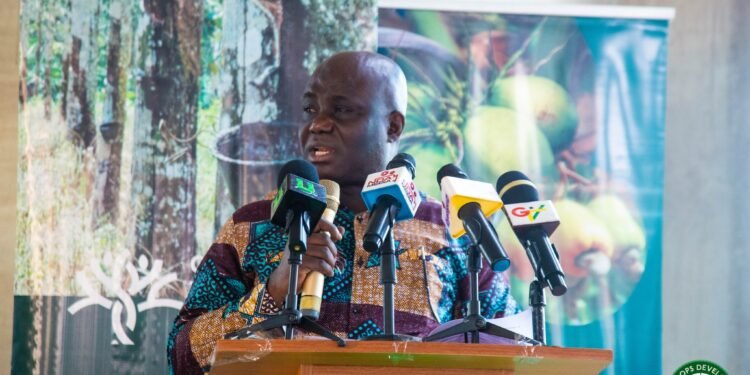
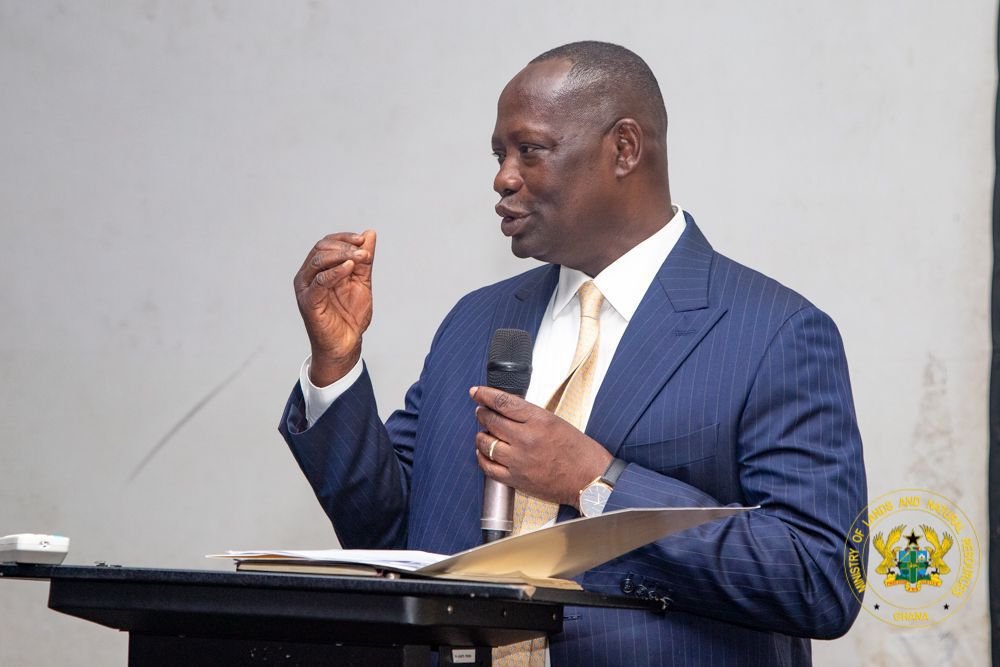
“We are now going to introduce what we call the medium scale licencing to basically broaden the scope and give people the capacity to do the right things. We have also finished a complete overhaul of the Mining Act, Act 703. There are key provisions that are going to change the paradigm shift on how we mine.”
Hon. Armah-Kofi Buah, Lands Minister
This initiative is part of a broader overhaul of the Minerals and Mining Act (Act 703) and the 2014 mining policy, which are being updated to reflect modern environmental and social standards. Under the new regime, the government is decentralized the licencing process by establishing District Mining Committees.
These committees ensure that traditional authorities and local stakeholders are the first point of contact and recommendation before any permits are issued in Accra.
This “bottom-up” approach is expected to curb the issuance of licences for areas near forest reserves and water bodies, reinforcing the government’s “clean waters, green forests” mandate.


Bridging the Gap for Ghanaian Entrepreneurs

For decades, the “missing middle” in Ghana’s mining sector has forced ambitious local miners into the unregulated shadows of “Galamsey” or kept them trapped in small-scale limits.
The medium-scale licence provides a structured growth path, allowing operators to access higher-capacity equipment and technical assistance while remaining under a strict regulatory eye. This tier is not just about size; it is about professionalism.
By creating a dedicated category for medium enterprises, the Ministry can tailor environmental compliance and tax obligations to the actual capacity of the miner, ensuring that “those who have not followed the right channels” are given a clear, legal alternative to correct their processes.
Strengthening Enforcement through NAIMOS and Local Oversight

A critical pillar of these reforms is the transition of the Minerals Commission from a mere administrative body to a robust “policeman in the sector.”
To back this, the government has operationalized the National Anti-Illegal Mining Operations Secretariat (NAIMOS) to coordinate law enforcement efforts across the country.
This centralized intelligence hub works in tandem with the new District Mining Committees to ensure that no miner small, medium, or large operates without the explicit recommendation of the local community.
The recent revocation of over 255 small-scale licences and the total repeal of L.I. 2462 signal a zero-tolerance policy toward mining in protected zones.
Paradigm Shift in Environmental Stewardship
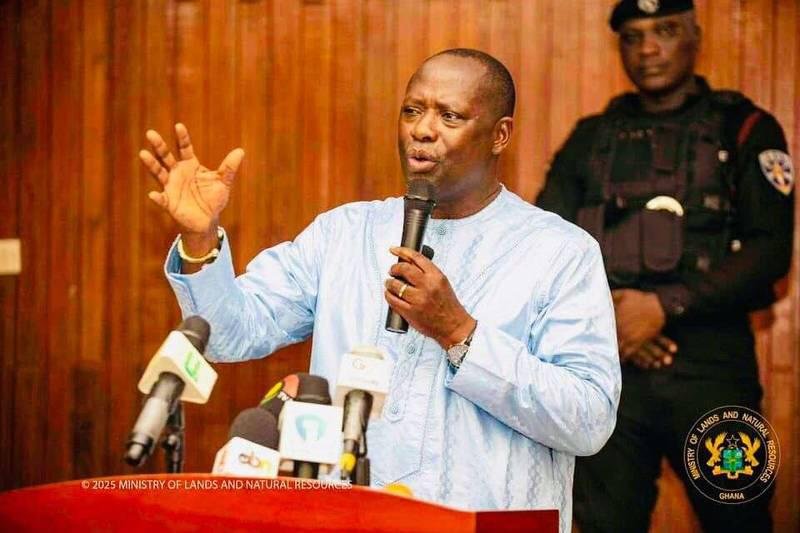
The policy review, which has been stagnant since 2014, is finally heading to Cabinet with a clear message: the protection of the ecosystem is non-negotiable.
By mandating that prospective miners meet stakeholders on-site in places like Ellembelle before ever receiving a piece of paper in the capital, the Ministry is stripping away the “Accra–centered” bureaucracy that often-ignored local environmental realities.
This reform ensures that miners must prove their operations are not “close to water bodies or forest reserves” at the source, effectively making the community the first line of defense in the fight for a sustainable extractive future.
READ ALSO: Vice President Commends Energy Ministry for Stabilising Sector