Ministry of Lands and Natural Resources has endorsed the landmark gold refining agreement between the Ghana Gold Board (GoldBod) and Gold Coast Refinery Limited, signaling a transformative era for the nation’s extractive sector.
This strategic backing underscores the Ministry’s commitment to President’s vision of transitioning Ghana from a primary producer of raw minerals to a global hub for refined precious metals.
By lending its full weight to the deal, the Ministry aims to catalyze the industrialization of the mining value chain, ensuring that the country’s gold resources are leveraged for maximum domestic benefit.
This partnership, described by sector experts as a “game-changer,” will see GoldBod supply approximately one metric tonne of gold per week to the Accra-based Gold Coast Refinery for processing.
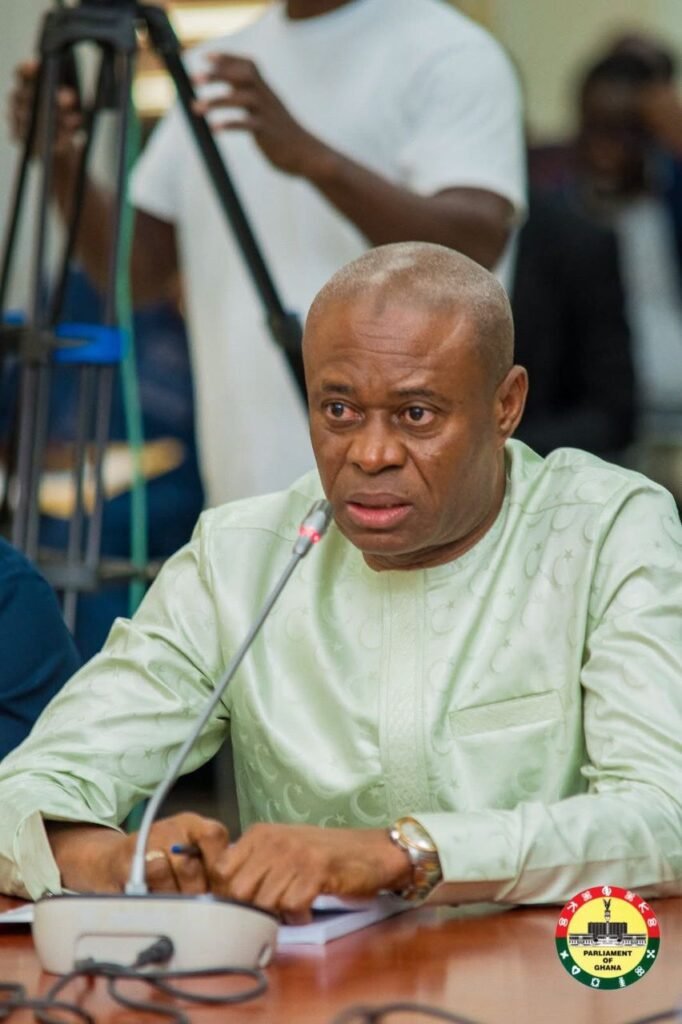
“It hasn’t been easy, but today we have made it possible. We want to commit ourselves so that whatever it takes, the Ministry of Lands and Natural Resources will play its role to ensure that this journey we have started bears the fruits we all desire.”
Hon. Alhaji Yusuf Suleman, Deputy Minister
Beyond the immediate technical shift, the agreement is a central pillar of Ghana’s renewed mineral governance strategy, which integrates regulatory oversight with commercial value addition.
While GoldBod spearheads the operational and trading aspects, the Ministry of Lands and Natural Resources provides the necessary legislative and administrative framework to ensure the security of investments and the sustainability of the “dig-and-refine” model.
Economic Sovereignty and Value Retention
The primary objective of this collaboration is to reverse the historical “purity losses” and “undervaluation” associated with the export of raw gold dore.
By refining gold to a minimum purity of 99.5 percent locally, Ghana can now accurately determine the presence of associated minerals such as silver which were previously processed and retained by foreign refineries in Dubai and Switzerland.
This shift is expected to save the nation millions of dollars in annual refining fees, keeping that liquidity within the domestic banking system to support the strength of the Cedi.
Furthermore, the government has secured a 15 percent free-carried interest in Gold Coast Refinery Limited. This equity stake ensures that the Ghanaian state, through GoldBod, participates directly in the profitability of the refining process without the burden of upfront capital expenditure.
This move fundamentally alters the fiscal landscape of the sector, moving the state from a mere tax collector to a strategic shareholder in the downstream value chain.
Job Creation and the 24-Hour Economy

Lands Ministry’s support is also a catalyst for the broader “24-Hour Economy” policy, as the Gold Coast Refinery prepares to operate on a full-time, around-the-clock basis.
This operational expansion is projected to create thousands of direct and indirect jobs in logistics, assaying, security, and chemical engineering.
By fostering a local refining ecosystem, the government is building a specialized workforce with the skills required to compete on the international stage, particularly as Ghana pursues LondonBullionMarket Association (LBMA) certification.
The integration of the artisanal and small-scale mining (ASM) sector into this refining drive is perhaps the most significant social benefit.
Under the Ministry’s regulatory guidance, GoldBod will ensure that gold from local miners is responsibly sourced and traceable.
This not only cleans up the supply chain but also provides local miners with a reliable, standardized market that reflects international pricing, thereby reducing the influence of unregulated middlemen and enhancing the livelihoods of mining communities.
Strengthening Global Market Positioning
The collaboration between the Ministry and Gold Board serves as a signal to the global market that Ghana is ready for high-stakes value addition.
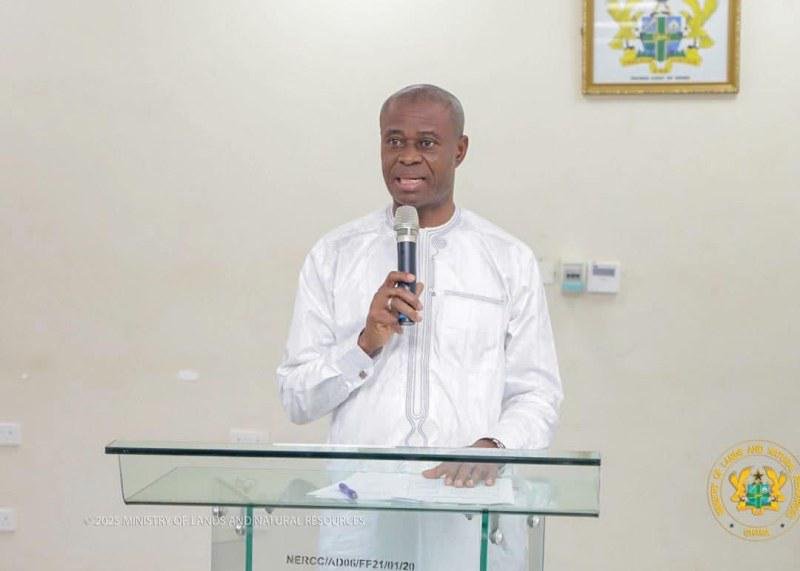
Deputy Minister Alhaji Yusuf Sulemana emphasized that “Ghana remains a destination where you can do business without fear,” highlighting the Ministry’s role in providing a stable regulatory environment.
This stability is crucial for attracting the technical partnerships such as the one with South Africa’s Rand Refinery needed to elevate local facilities to world-class standards.
Ultimately, the Ministry’s support ensures that local refining becomes the “cornerstone of Ghana’s mining policy.”
By aligning licensing and sector coordination with GoldBod’s commercial drive, the government is effectively branding Ghanaian gold with a hallmark of integrity and quality.
This unified approach not only maximizes the economic returns from mineral resources but also positions Ghana as a leader in the African mining renaissance, moving beyond the “resource curse” toward sustainable, industrial growth.
READ ALSO: Bulk Oil Distributors Call for Stronger Petroleum Compliance