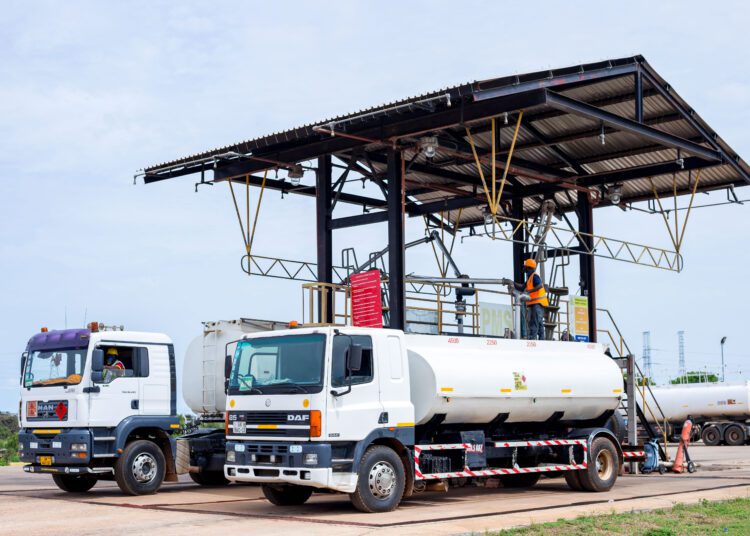
The Auditor-General has raised concerns over weaknesses in Ghana’s petroleum transportation regulatory system after a performance audit found that only about half of registered Bulk Road Vehicles (BRVs) used for petroleum distribution had valid licences as of April 2026.
The findings are contained in a performance audit report by the Ghana Audit Service assessing the effectiveness of the National Petroleum Authority’s (NPA) regulation of petroleum transportation, petroleum product marking and retail outlet monitoring between January 2023 and April 2026.
The downstream petroleum sector, regulated by the NPA, plays a significant role in Ghana’s economy, involving key players such as oil marketing companies, bulk distribution companies, depots, transport operators and retail outlets.
The audit noted that the sector has an estimated annual value averaging GH¢35 billion over the seven-year period reviewed, making effective regulatory controls important for ensuring product quality, protecting consumers and safeguarding government revenue.
However, the Auditor-General identified weaknesses in the NPA’s systems, particularly in the licensing of petroleum transport vehicles and the tracking of petroleum products during distribution.
Licensing gaps among petroleum transport vehicles
According to the report, only 51.3 percent of the 4,904 registered Bulk Road Vehicles had valid licences as of April 2026.
The audit found that expired BRV licences were not consistently deactivated from the Electronic Road Distribution Management System (ERDMS). Instead, the NPA granted extensions that allowed some vehicles to remain active within the petroleum distribution system.
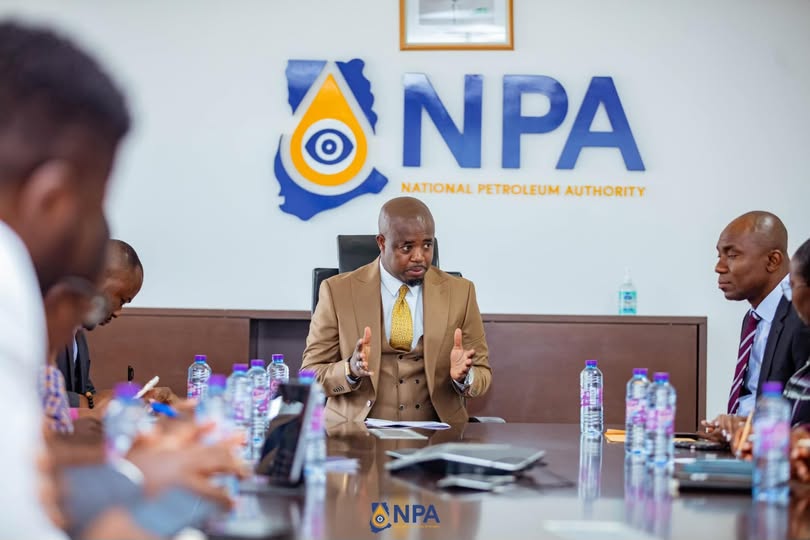
The Auditor-General noted that weak enforcement of licensing requirements could affect safety, accountability and product integrity within the petroleum transportation chain. “Weak enforcement of licensing requirements compromised safety, accountability and product integrity,” the report noted
The report recommended that expired BRV licences should be deactivated from the ERDMS and that the validity of licences should be verified before vehicles are permitted to load petroleum products from refineries and storage facilities.
The NPA had earlier extended the deadline for BRV registration and licensing to May 29, 2026, to allow transport operators to complete the renewal process. The Authority indicated that vehicles without valid licences and stickers would subsequently be deactivated from the ERDMS.
Petroleum tracking system faces gaps
The audit also identified weaknesses in the monitoring of petroleum transportation through the Electronic Cargo Tracking System (ECTS). The system uses GPS technology and electronic seals to monitor petroleum products as they move from depots to retail outlets.
However, the Auditor-General found that Aviation Turbine Kerosene (ATK) and Naphtha were not included in the existing tracking arrangements. This created gaps in real-time monitoring, as some petroleum products were transported outside the Authority’s tracking framework.

The report recorded 48,678 petroleum transportation trips between 2023 and 2025 that were not tracked, mainly involving ATK and Naphtha. It also identified 582 diversion incidents involving approximately 9.78 million litres of petrol and diesel during 2024 and 2025.
Although inspections carried out on selected vehicles showed that the 25 BRVs assessed had functioning tracking systems and electronic seals, the Auditor-General maintained that broader improvements were needed to strengthen monitoring across the sector.
The report recommended that all petroleum products, including ATK and Naphtha, should be incorporated into the tracking system in line with regulatory requirements.
Product marking and revenue concerns
Beyond transportation controls, the audit highlighted challenges relating to petroleum product marking and volume monitoring. The NPA engaged Nationwide Technologies Limited (NTL) in 2019 to undertake petroleum product marking aimed at improving product identification and supporting regulatory oversight.
Between 2023 and 2025, approximately 15.42 billion litres of petroleum products were marked, while 15.05 billion litres were recorded as distributed, representing a variance of about 2.35 percent.
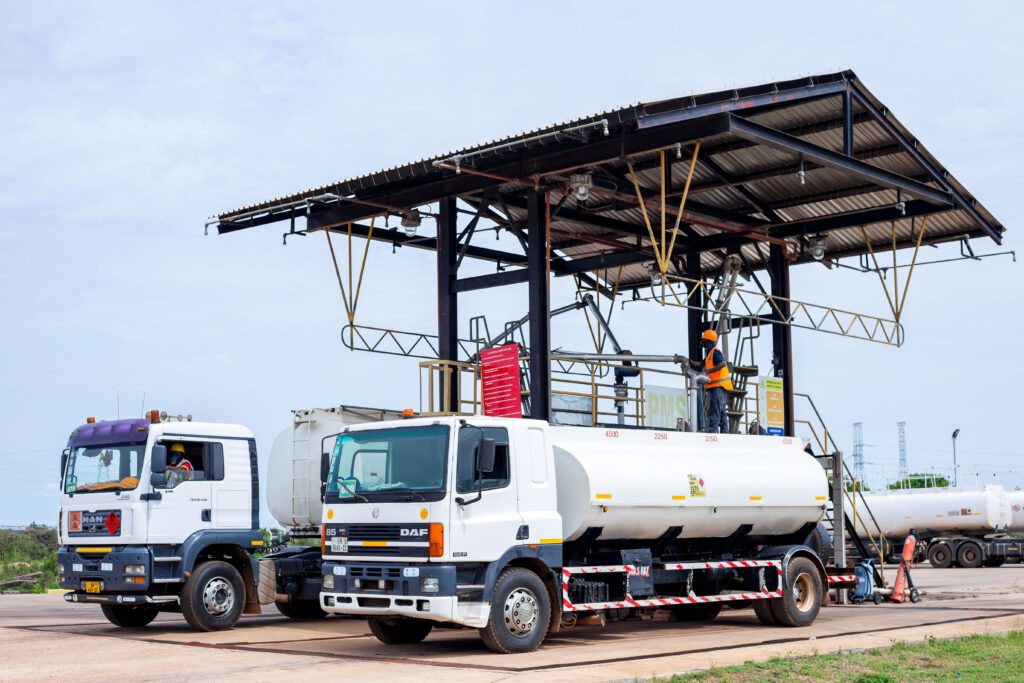
The audit attributed the differences partly to variations in reporting systems, including differences between loading and dispatch records. However, it found that about 87 million litres of petrol were distributed without product marking, creating a potential revenue risk estimated at GH¢78.6 million.
The Auditor-General also noted that approximately US$2,688 was paid for marked petrol that was not accounted for as distributed, recommending that the amount be recovered.
Challenges with retail outlet monitoring
The audit further examined the NPA’s monitoring of petroleum retail outlets, including the use of Automatic Tank Gauging Systems (ATGS). ATGS are designed to provide automated monitoring of fuel volumes at retail stations and support the detection of irregularities.
The report found that while the NPA conducted thousands of monitoring visits between 2023 and 2025, some retail outlets had non-functional or incomplete ATGS due to equipment failures, power challenges and infrastructure limitations.
The Auditor-General warned that inadequate monitoring systems could affect the Authority’s ability to effectively supervise petroleum retail operations.
The report recommended that the NPA should restore and install ATGS at retail outlets, verify maintenance activities before making payments to service providers and improve documentation to strengthen accountability.
NPA response and ongoing reforms
The NPA has acknowledged the audit findings and indicated that it is implementing measures to address the identified gaps.

The Authority stated that ongoing reforms include improving petroleum tracking systems, strengthening reporting controls, expanding monitoring coverage and working with industry operators to address infrastructure challenges affecting retail outlet automation.
The NPA also plans to install tracking devices for petroleum products currently excluded from the Electronic Cargo Tracking System and improve compliance monitoring across the downstream petroleum sector.
The Auditor-General’s findings highlight the need for stronger enforcement mechanisms, improved technology-based monitoring and better coordination among stakeholders to ensure transparency, safety and accountability within Ghana’s petroleum supply chain
READ ALSO: Public Boards, Corporations’ Cut Financial Irregularities by 85.6% in 2025