An escalating Ebola outbreak caused by the rare Bundibugyo species of the virus has raised fresh alarm in eastern Democratic Republic of the Congo (DRC), as health authorities and international responders struggle to determine the full scale of the crisis while racing to trace infection chains, expand testing capacity and secure effective treatment options.
According to World Health Organization (WHO), the outbreak, which has emerged in one of the country’s most fragile regions, is unfolding amid armed conflict, population displacement and severely overstretched health services, creating major obstacles for efforts to contain transmission.
Despite intensified response measures, WHO officials cautioned that the situation cannot yet be described as stabilising.
The WHO envoy to the DRC, Dr. Anne Ancia, stated, “we would like to say it is stabilising, but frankly, we cannot say it yet.”
Speaking from Bunia, the capital of Ituri province, where the outbreak is at the centre of the response effort, Dr. Ancia disclosed that authorities had recorded 1,561 confirmed cases as of 4 July, including 506 deaths and 254 recoveries.
She stated that, more than 10,000 contacts are currently being monitored as health teams work to identify possible new infections and interrupt chains of transmission, adding, “the outbreak’s true scale has not yet been fully established.”
Moreover, Dr. Ancia said understanding the movement of the virus through communities remains one of the most important parts of the response.
“We are strengthening our understanding of the history of every case of infection so that we can really understand the chain of transmission.”
Dr. Anne Ancia
However, medical facilities are struggling under the growing demand for care.
The WHO representative indicated that treatment centres in affected areas had reached their limits, describing them as being at a “saturation point.”
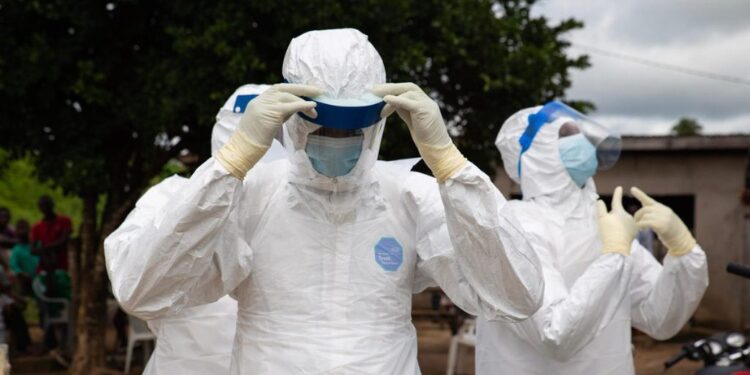
During visits to healthcare facilities in Bunia, Beni, Butembo and Katwa, Dr. Ancia said she witnessed the difficult conditions faced by frontline workers who are providing treatment, conducting contact tracing, investigating suspected cases and educating communities about prevention measures.
The outbreak is occurring in a region where insecurity has repeatedly disrupted humanitarian operations. Eastern DRC has endured decades of armed conflict, with numerous armed groups competing for territory and influence, making it difficult for health workers to reach vulnerable communities.
The humanitarian situation has been further complicated by displacement, with thousands of civilians forced from their homes due to violence. These movements of people increase the risk of disease transmission while making monitoring and follow-up efforts more difficult.
Dr. Ancia warned that the needs in Ituri province currently exceed available resources.“Today, we do not have enough ambulances,” she said, adding that authorities and partners are unable to meet every requirement created by the emergency.
Despite the challenges, health officials have reported some encouraging progress, particularly in expanding testing capacity.
Daily laboratory testing capacity has increased significantly, rising from around 30 tests in Kinshasa to more than 2,000 across affected regions. According to WHO, this improvement has been made possible through the establishment of 10 decentralised laboratories in outbreak-affected provinces, with the newest facility opening in Bunia.
The expansion of testing infrastructure has allowed health teams to identify cases more quickly and improve surveillance in communities where the virus may be spreading unnoticed.
Insecurity Hampers Ebola Response Amid New Treatment Trials
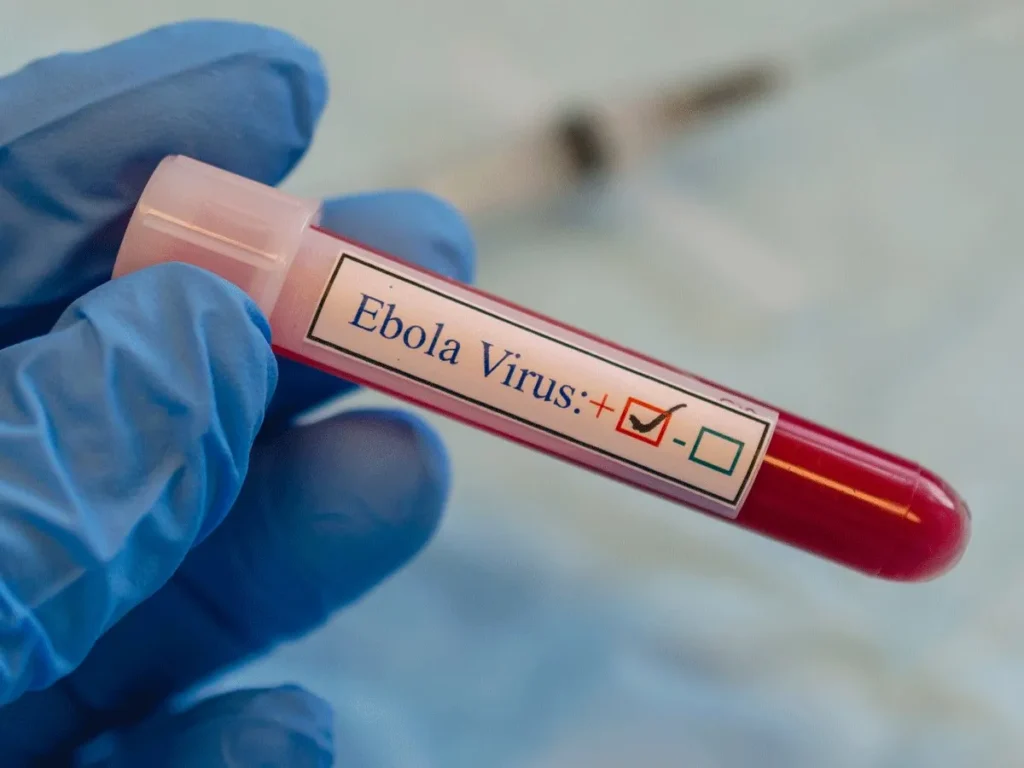
According to WHO officials, the clinical trial began on 2 July and will evaluate two potential therapies: the monoclonal antibody MBP134 and the antiviral drug remdesivir to determine whether they can improve survival rates among people infected with the Bundibugyo virus.
“These drugs will be administered alone or in combination to assess their potential to improve survival among people with the Bundibugyo virus disease.”
Dr. Anne Ancia
She added that, more than 1,200 treatment doses are already available for the trial, while additional therapies may be included as researchers gather new evidence about their effectiveness.
The search for treatment options is particularly urgent because Bundibugyo Ebola remains less understood than other Ebola virus species. Previous outbreaks have demonstrated the devastating impact the disease can have, especially in communities where healthcare systems are already under strain.
However, medical efforts continue to face serious security challenges.
Eastern DRC remains one of the most volatile regions in Africa, with ongoing clashes between government forces and armed groups disrupting civilian life and humanitarian activities.
The security situation has deteriorated amid fighting involving the Alliance Fleuve Congo/23 March Movement (AFC/M23), which the United Nations has revealed is supported by Rwandan forces, and the Congolese army (FARDC), which is allied with the Wazalendo armed group. Rwanda has repeatedly denied accusations of supporting M23.
UN Stabilisation Mission in the DRC (MONUSCO) officials have warned that continued fighting in North Kivu, South Kivu and Ituri provinces is creating additional barriers for humanitarian operations, including Ebola prevention and response efforts.
Despite the insecurity, WHO explained that surveillance activities continue in areas controlled by armed groups and de facto authorities.
Dr. Ancia stressed that, health teams are strengthening community surveillance systems in parts of North Kivu to ensure possible infections are detected quickly.
She added that laboratories in the field continue to receive and investigate a large number of alerts every day.
READ ALSO: Russia Cleared for LA 2028 Qualification as IOC Lifts ROC Suspension