Financial irregularities across Ghana’s Public Boards, Corporations, and Other Statutory Institutions fell to GH¢2,241,978,884 in 2025, down from GH¢15,573,745,411 in 2024, marking a decline of 85.6 percent.
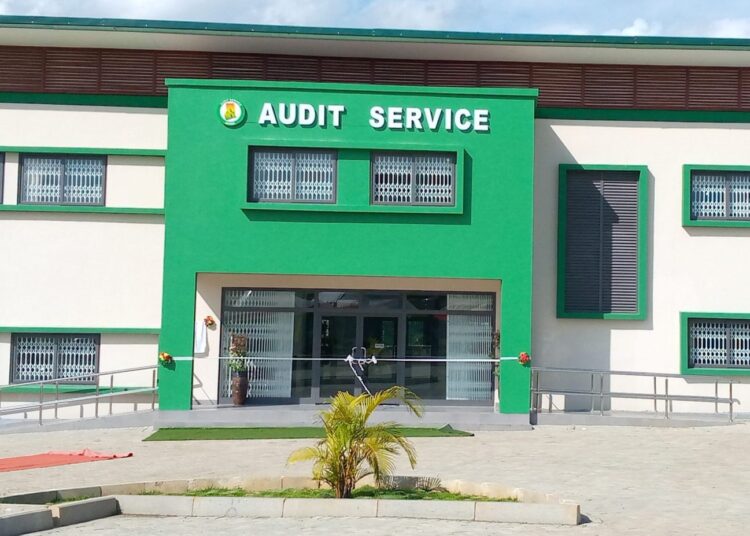
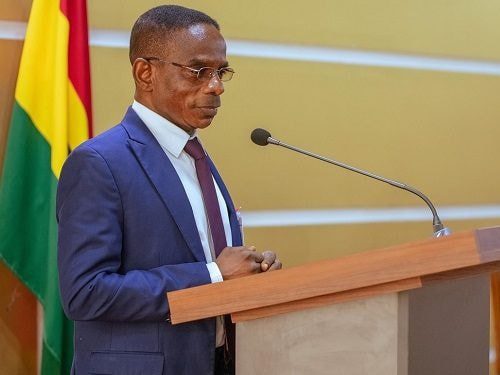
The figures come from the Report of the Auditor-General on the Public Accounts of Ghana covering Public Boards, Corporations, and Other Statutory Institutions for the period ended December 31, 2025, submitted to Parliament by the immediate past Auditor-General, Johnson Akuamoah Asiedu, under the Audit Service of Ghana.
The total figure for 2025 included US$16,925,188, converted to Ghana cedis at the prevailing exchange rate of GH¢10.4500 to US$1 as of December 31, 2025.
This sharp year on year drop stands in contrast to the trend recorded a year earlier, when recoverable irregularities had actually increased by 78.3 percent, rising to GH¢15,573,745,411 in 2024 from GH¢8,732,455,124 in 2023.
A Note on What the Figures Include
The report clarifies that all irregularities presented in its summary table are recoverable, encompassing overdue receivables, misappropriation of funds, unpaid taxes and pension contributions, unretired imprest, unaccounted payments, and advances and loans given to employees across various institutions.
Importantly, the 2025 figure excludes inter-governmental agency debts, a category that had been included in the totals for both 2023 and 2024. This change in scope means the year on year comparison, while still reflecting genuine improvement, should be read with that adjustment in mind.
The report also notes that administrative irregularities, covering procurement irregularities and other procedural infractions in public financial management, were not included in this particular analysis, though they remain documented elsewhere in the report and have been brought to management’s attention for corrective action.
Outstanding Debts Top the List
Outstanding debts and loans recoverable amounted to GH¢936,468,012, the largest single category identified. This figure represents overdue receivables, staff debtors, outstanding loans, and non-performing loans across institutions.
Within this total, non-performing loans of GH¢261,386,612 were traced to the Ghana Export-Import Bank, alongside overdue loans granted under the Coronavirus Alleviation Business Support Scheme by the Ghana Enterprises Agency.
The report attributes these conditions to the absence of effective debt collection policies, a lack of credit controls to recover outstanding debts, and management’s general attitude toward loan recovery.
The Auditor-General recommended that institutions strictly adhere to debt management rules and implement proper policies for managing loans and other receivables, ensuring repayment on due dates to minimize bad debts going forward.
Cash Handling Failures at PBC
Cash irregularities totaled GH¢58,976,276, tied to payments lacking supporting documentation, unaccounted revenue, misappropriation of funds, and unretired imprest.
Of this amount, GH¢20,607,710 involved payment vouchers not presented for audit by the Produce Buying Company, while a further GH¢10,227,627 related to unaccounted funds granted to zonal coordinators of PBC Shea Limited in Buipe.
The report points to poor oversight, failure by finance officers to properly file and retain records, and weak compliance with the Public Financial Management Act as key contributing factors.
It urged management teams to strengthen supervisory controls over finance officers and ensure prompt lodgement of collected funds along with full retirement of accountable imprest by their due dates.

Payroll and Procurement Lapses
Payroll irregularities came to GH¢8,964,714, arising largely from salaries and allowances paid without approval and staff failing to return to duty after leave with pay.
Within this figure, the University of Ghana Medical Centre overpaid GH¢1,560,800 in lunch subsidies, while the Ghana Integrated Iron and Steel Development Corporation paid GH¢1,073,566 in additional salaries without Ministry of Finance approval.
Separately, procurement irregularities reached GH¢12,264,450, tied to Ghana National Gas Company’s acquisition of a building at a price exceeding its assessed market value.
The Auditor-General recommended recovering this amount from the board responsible for the purchase and called for strict adherence to the Public Procurement Act in future transactions.
Unremitted Taxes at Electricity Company of Ghana
Tax irregularities amounted to GH¢904,648,831, stemming from failures to pay statutory tax deductions, non-deduction of withholding taxes, and failure to remit VAT collections to the Ghana Revenue Authority.
Of this total, GH¢821,883,620 represented unremitted withholding taxes, VAT, and PAYE taxes specifically tied to the Electricity Company of Ghana. The report calls on finance officers to strictly adhere to tax laws, ensuring all taxes reach the Ghana Revenue Authority by their due dates.
Missing Equipment and Unfulfilled Contracts
Stores irregularities reached GH¢167,281,720, largely attributed to missing transformers, conductors, and meters valued at GH¢167,173,720 within the Materials Management Unit of the National Electrification Scheme.
The Auditor-General recommended a forensic review into the Scheme’s store activities to determine the extent of the losses and hold responsible parties accountable.
Contract irregularities totaled GH¢153,374,882, with GH¢144,581,091 tied to payments for items never supplied under the National Electrification Scheme. The report urged management to strengthen contract controls and enforce contractual clauses to protect the interests of public institutions.

A Generally Favourable Audit Opinion
Despite the irregularities identified, the Auditor-General’s report states that the financial statements submitted for validation presented information in accordance with applicable statutory provisions, and that the office was satisfied in all material respects that the statements complied with government accounting policies and generally accepted accounting standards.
In the Auditor-General’s opinion, the financial statements presented a true and fair view of the financial positions and performance of the organisations reviewed. The report closes with a broader appeal for improved governance across public institutions.
It urges governing boards to ensure financial statements are signed and submitted on time, and suggests that financial performance across these institutions could have been healthier with more effective supervision of schedule officers.
The Auditor-General reiterated calls for institutions to strengthen their Internal Audit Units and empower Audit Committees in line with Sections 86 to 88 of the Public Financial Management Act, 2016, to ensure that audit recommendations are properly implemented rather than simply noted and set aside.
READ ALSO: Kemi Badenoch Pledges Defence Overhaul for Britain