The Natural Resource Governance Institute (NRGI) has raised critical red flags regarding the sudden announcement that the Ewoyaa lithium asset is being transferred to a third-party private investor just twelve weeks after its parliamentary ratification.
According to the international governance watchdog, this rapid shift in corporate ownership exposes significant structural loopholes and transparency deficits within Ghana’s critical mineral sector oversight.
The organization warns that the quick flip could undermine national trust, jeopardize local participation frameworks, and heavily shortchange the state’s fiscal gains from its premiere green mineral deposit.
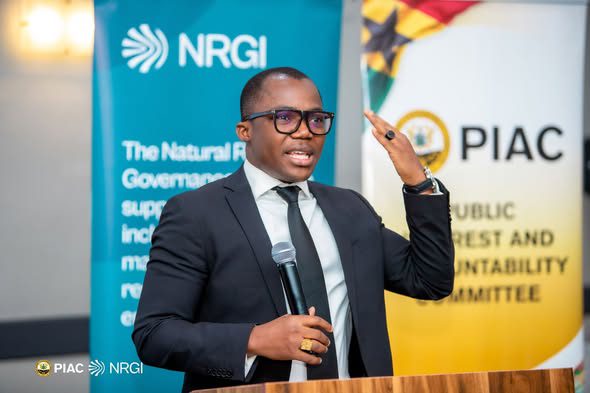
“What it would presuppose is that while you are engaging as a private investor, engaging the country, you’re equally talking to the private person that is now, you know, alleged to take over the asset. You’re having those conversations simultaneously. And for me, that begins to undermine trust and the level of transparency that the company has engaged with the country.”
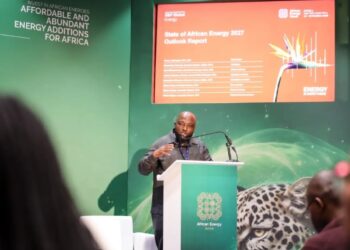
Patrick Stevenson, the Country Manager for NRGI
NRGI pointed out that simultaneous behind-the-scenes negotiations likely occurred between the project developer and the incoming private buyer while the state was still finalising the terms of the mining lease.
This parallel engagement raises serious questions about whether the government of Ghana negotiated with a clear understanding of the project’s true market valuation.
The Ministry of Lands and Natural Resources, along with the Minerals Commission and the Minerals Income Investment Fund (MIIF), now face immense pressure to justify how a deal that was protracted for three years was structurally altered within months of securing formal state approval.
The Trust Deficit and Regulatory Blind Spots
Patrick Stevenson, the Country Manager for NRGI, explained that civil society organizations have generated evidence to protect Ghana’s interests since the genesis of the Ewoyaa conversations in 2023.
At the time, intense public debates over the lease’s terms pushed the state to adopt a progressive sliding-scale royalty regime.
However, the revelation that the asset would be handed over to a new corporate entity just months after ratification threatens these regulatory milestones.
Stevenson remarked that “anybody who understands these things knows that it doesn’t take 12 weeks” for a takeover team to go public, indicating that parallel negotiations occurred behind the state’s back.
Lessons from Simandou and the Risk of Asset Flipping
NRGI warned that this rapid transfer mirrors a predatory trend across Africa’s extractive industries, where junior miners secure concessions only to flip them for massive private windfalls before production begins.
To contextualize this threat, Stevenson cited the infamous case of the Simandou iron ore mine in Guinea, where an investor secured rights in 2008, invested a mere $165 million, and quickly sold 50 percent of its shares for an astonishing $2.5 billion.

Stevenson cautioned that “for doing nothing, the company just made money off of the people of Guinea,” warning that Ghana could suffer a similar fate if it permits foreign entities to monetize sovereign assets without returning tangible value to the host nation. Similar patterns have also manifested in places like Darcy, undermining the fiscal take of host states.
Implications for Valuation, Local Content, and National Benefit
The transfer of the Ewoyaa project by Atlantic Lithium Ltd to a Chinese battery materials giant significantly threatens Ghana’s national benefits.
When a foreign company secures an agreement based on low-risk valuation models and flips it to a third party at a massive premium, the host nation loses out on the true market value of its resources.

This discrepancy directly impairs the efficacy of the sliding-scale royalty regime and state equity valuations, effectively transferring economic wealth from the Ghanaian treasury to offshore corporate shareholders.
Furthermore, Stevenson vanished any doubt by emphasizing that local content and participation were central to civil society’s engagement from the onset.
A sudden ownership transition risks diluting these frameworks, leaving the people of Ewoyaa to absorb environmental costs while profits are exported. Consequently, NRGI insists that Ghana must enforce strict regulatory oversight to protect its critical mineral value chain.
READ ALSO: Over 100,000 Applicants Screened, 1,300 HIV Cases Identified — Interior Minister