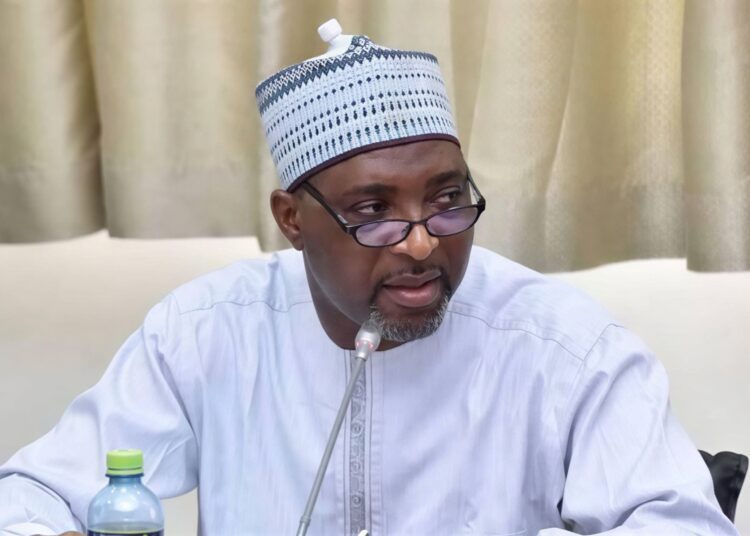
The Interior Minister and Member of Parliament for Asawase, Honourable Mohammed Mubarak Muntaka has explained the process used in communicating medical disqualifications during recent security service recruitment exercises. He stated that applicants who were unsuccessful due to medical findings were given channels to seek clarification instead of receiving sensitive health information directly.
Honourable Muntaka explained that the decision was guided by the need to protect applicants from sudden disclosure of sensitive medical conditions. He noted that some health issues identified during screening could receive treatment, allowing affected individuals to take steps towards improving their health.
Additionally, the Interior Minister said applicants who wanted to understand the reasons behind their disqualification were encouraged to contact the appropriate authorities for assistance. He explained that officials were available to provide guidance and help individuals understand their medical status.

“When you get disqualified, you are given a contact to reach out if you are interested in knowing the details. When you call, they assist you to know. Some of the things we realised are treatable, so people need to know and get treatment.”
Honourable Mohammed Mubarak Muntaka
The Minister stated that conditions such as Hepatitis B, some cardiac challenges, drug related issues and mental health conditions require careful communication. He added that medical information must be handled responsibly in line with professional guidelines.
Furthermore, Honourable Muntaka explained that directly sending medical results to applicants could create unnecessary distress. He said the approach adopted was intended to ensure individuals received proper counselling before learning details about their health conditions.
The Asawase MP indicated that the recruitment process was designed to balance national security requirements with the wellbeing of applicants. He encouraged those who were disqualified to seek information about their results because the findings could help them access support.

According to the Interior Minister, some applicants might dismiss their rejection without understanding the reasons behind it. He urged affected individuals to take advantage of the available channels because identifying health challenges early could help them make informed decisions.
The Minister also stated that the medical screening process remained an important part of ensuring that personnel selected for security duties met the required standards. He emphasised that the objective was to maintain a capable workforce while considering the welfare of applicants.
The explanation was given during the Interior Minister’s appearance before Parliament’s Assurances Committee, where he responded to questions on recruitment procedures and medical assessments. Honourable Muntaka said the system was structured to provide applicants with an opportunity to seek clarification while protecting confidential health information.
Security Recruitment Screening Raises Public Health Considerations
The Interior stated that security recruitment medical assessments involved more than selecting qualified personnel because some findings carried public health implications. He explained that applicants identified with certain medical conditions needed guidance to understand their situations and take appropriate steps.
Addressing the total number of people screened, the Interior Minister disclosed that more than 100,000 applicants underwent the recruitment process. He added that about 6,000 individuals were affected by drug related and mental health assessments while approximately 1,300 were identified through HIV screening.
“We were not to call. We provided contact for people to call who were interested in knowing why they failed. We have all the blockages and everything there, but we cannot send it to you on a phone.”
Honourable Mohammed Mubarak Muntaka
The Interior Minister acknowledged suggestions that more direct engagement could help address possible public health risks linked to some medical findings. He said the ministry would consider further collaboration with relevant institutions, including the Ministry of Health, to improve support for affected applicants.
Moreover, Honourable Muntaka agreed that individuals diagnosed with HIV should receive proper information and counselling because treatment allows people to live normal lives. He explained that early awareness could help prevent further transmission and encourage affected persons to seek medical support.
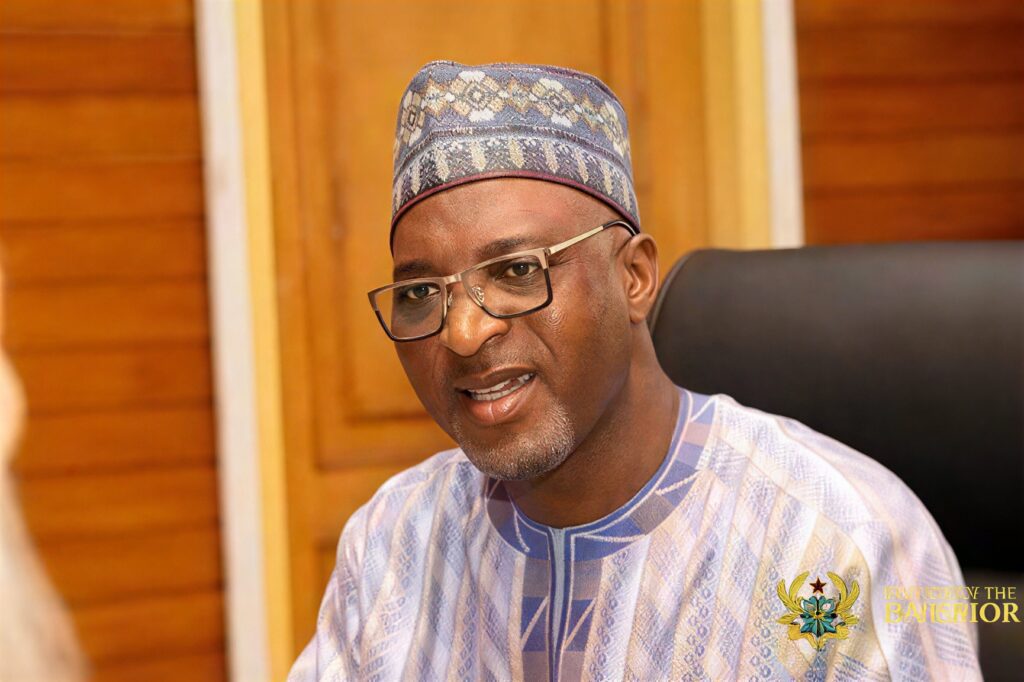
“This is something that we should not gloss over because it could lead to many innocent people getting it. Advice well taken, and we assure you that we will see what we can do.”
Honourable Mohammed Mubarak Muntaka
The Minister also addressed the issue of applicants who failed drug and mental health assessments. He stated that some individuals may leave the process without understanding the reasons behind their rejection, which could prevent them from seeking necessary assistance.
In addition, Honourable Muntaka shared an example of how public misunderstanding can arise when applicants are unaware of the reasons for their disqualification. He explained that some cases require personal responsibility and awareness, especially where lifestyle choices may affect recruitment outcomes.
The Interior Minister said his office would explore possible partnerships to improve communication with affected applicants. He indicated that cooperation with the Health Ministry could provide a more effective approach to addressing medical issues identified during future recruitment exercises.
READ ALSO: Upper West Records Just 26.75% UHC Coverage at Mid-Year