Ghana’s ambition to extract greater value from its petroleum resources is increasingly being tied to a stronger Ghana National Petroleum Corporation (GNPC), with the national oil company signalling a shift from participating in upstream projects to taking greater responsibility for their operation.
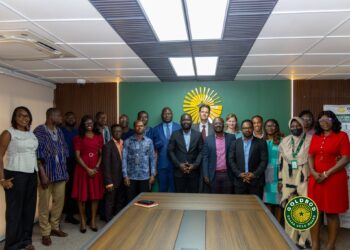
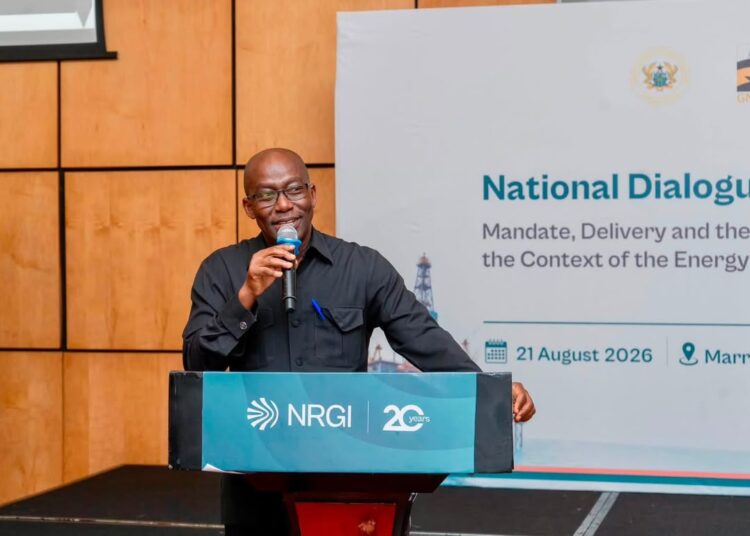
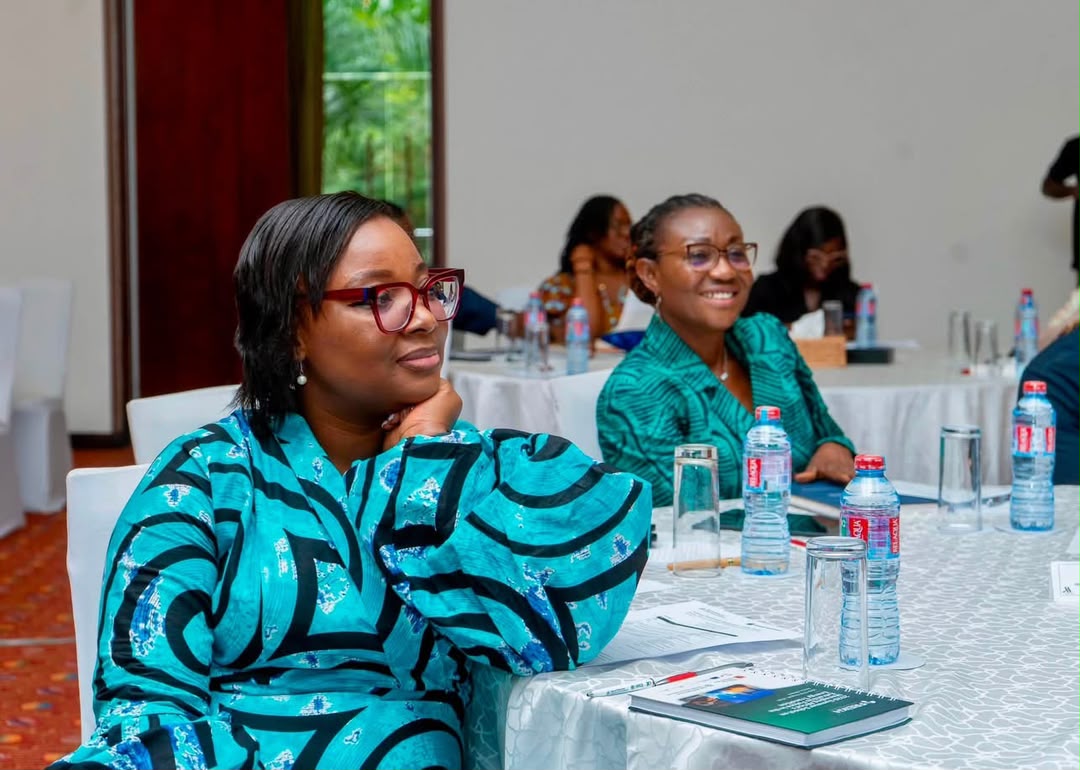
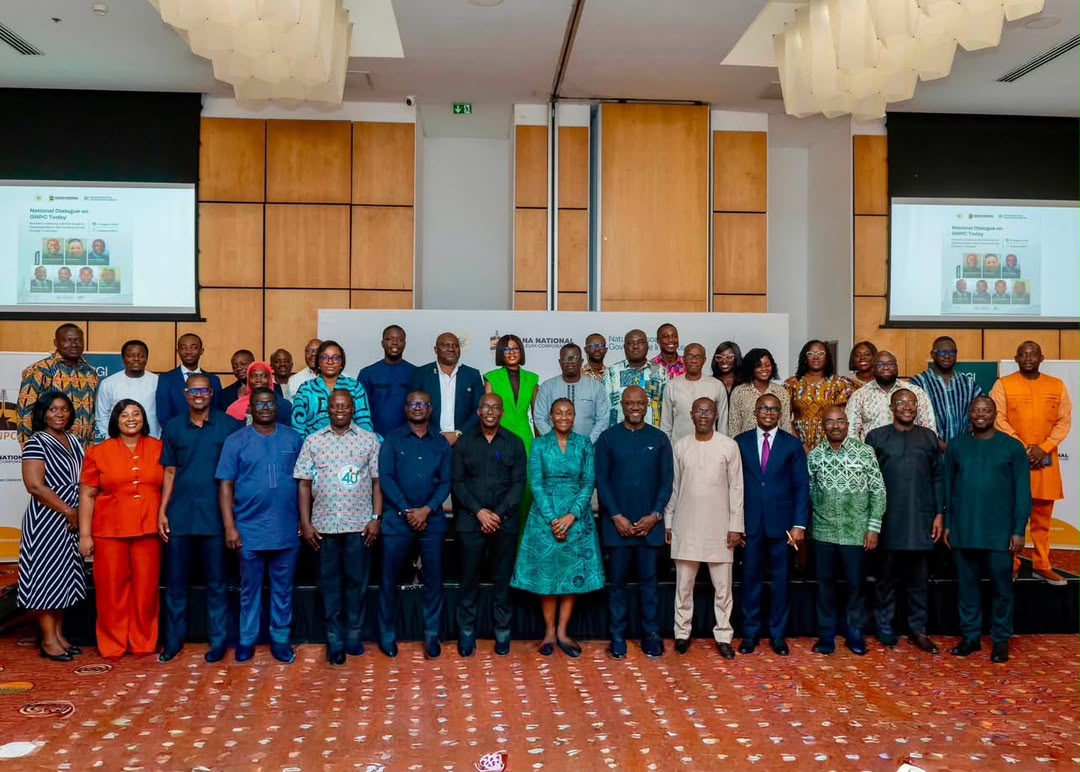
That direction formed a central theme at the GNPC Today stakeholder dialogue, where government officials, civil society organisations, industry experts and GNPC management examined the Corporation’s mandate, performance and transformation agenda against the changing outlook for Ghana’s petroleum sector.
GNPC Chief Executive, Kwame Ntow Amoah, stressed that the Corporation should not be viewed simply as another commercial oil company competing for individual assets.
“GNPC is not just another oil company. As Ghana’s National Oil Company, our responsibility goes beyond the commercial cycle of any single project.”
GNPC Chief Executive, Kwame Ntow Amoah
The distinction is important because GNPC was established under PNDC Law 64 as Ghana’s National Oil Company, with a mandate centred on the exploration, development, production and management of the country’s petroleum resources.
The Corporation also has the right to enter open acreage for exploration and is a partner in Ghana’s petroleum agreements.
Its strategic emphasis, however, has increasingly been on building the technical and financial capability required to become an effective operator rather than remaining predominantly a participant alongside international companies.
GNPC’s published strategy describes the objective as becoming a technically strong, commercially efficient and financially independent exploration and production operator.
Its second strategic phase, covering 2027 to 2030, specifically includes strengthening operatorship, improving commercial viability and pursuing research into low-carbon technologies and renewables.
From Carried Interest To Greater Control
The operatorship question has become more urgent as Ghana’s mature producing fields face declining output and the country seeks new discoveries.
For decades, Ghana’s upstream development relied heavily on international companies providing the capital, technology and technical expertise required for offshore exploration.
GNPC’s participation in petroleum agreements allowed the state to retain an interest in those developments while sharing risks with private partners.
The Corporation is now seeking to build the capacity to take greater operational responsibility.
Mr. Amoah argued that carried participation should not be mistaken for passivity.
“Carried participation does not mean spectatorship, and partnerships remain important to sharing risk, building capability and creating sustainable long-term value for Ghana.”
GNPC Chief Executive, Kwame Ntow Amoah
That approach is already visible in the Corporation’s activities in the Voltaian Basin, where GNPC has assumed operatorship of Ghana’s onshore exploration effort.
GNPC has previously reported spending more than US$160 million on seismic and geological data acquisition in the basin, identifying 29 prospective leads.
The basin represents a significant test of whether Ghana can gradually build an indigenous upstream operating capability.
Unlike the established offshore fields, the Voltaian project requires Ghana to take greater responsibility for geological evaluation, exploration planning, technical decision-making and eventually drilling.
GNPC has also been developing its technical capacity through its exploration subsidiary, GNPC Explorco, while investing in research, technology and data-driven exploration.
Operatorship Must Deliver More Than Symbolism
The case for operatorship is ultimately economic rather than symbolic.
Greater control over petroleum operations could allow Ghana to retain more technical knowledge domestically, strengthen local supply chains and build companies capable of participating in higher-value segments of the petroleum industry.
But operatorship also exposes GNPC to greater financial and technical risks.
A national oil company that assumes operatorship without adequate capital, project-management capability, subsurface expertise and commercial discipline could simply transfer risks previously carried by international partners onto the public balance sheet.
That makes the Corporation’s four strategic priorities for its 2025–2035 transformation agenda, technology, financing, capacity and resilience, particularly significant.
The real measure of the strategy will therefore not be the number of assets GNPC operates.
It will be whether the Corporation can operate them efficiently, attract the right partners, control costs and generate sustainable returns for the state.
The same principle applies to the Corporation’s broader portfolio.
GNPC’s development of Ghana Gas and its technical and exploration subsidiaries illustrates how the national oil company has evolved beyond a narrow exploration mandate into a wider energy-sector institution.
Yet that expansion also makes strategic discipline more important.
The challenge facing GNPC is to determine which activities genuinely strengthen Ghana’s petroleum and energy security and which could dilute resources from the Corporation’s core upstream responsibilities.
That question is becoming harder as Ghana’s petroleum sector enters a period of declining production, increasing competition for exploration capital and accelerating global energy-transition pressures.
GNPC’s own strategy recognises this changing environment by incorporating low-carbon technologies and renewables into its longer-term research and development agenda.
The implication is clear: operatorship is being presented not merely as an institutional ambition, but as part of a broader attempt to ensure that Ghana exercises greater control over the resources that underpin its energy economy.
The test now is whether GNPC can convert that ambition into technically competent, commercially disciplined operations that create lasting value for the state.
READ ALSO: Sammy Gyamfi: Vanderpuye Apologised, “It Ends There”, Calls off Attacks