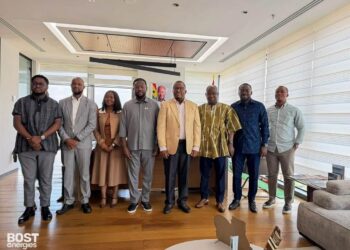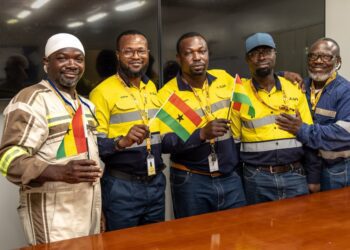
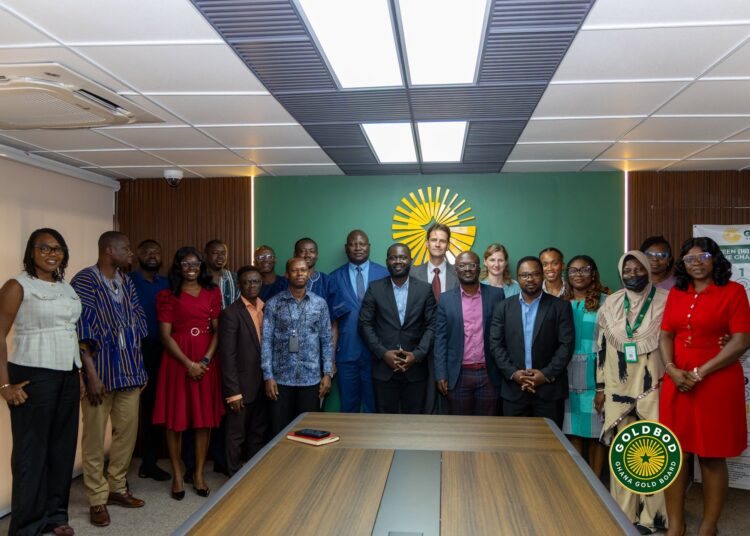
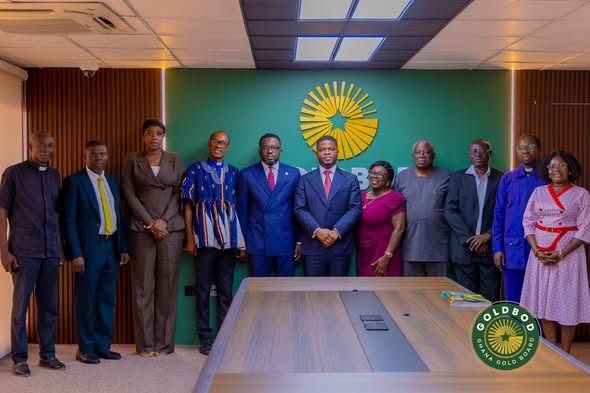
Representatives from the TU Bergakademie Freiberg University of Mines in Germany have initiated strategic engagements with the Ghana Gold Board (GoldBod) to establish a comprehensive framework for advancing sustainable artisanal and small-scale mining (ASM) operations across Ghana.
The collaborative initiative, facilitated under the Market Entry Programme of the Delegation of German Industry and Commerce in Ghana (AHK Ghana), aims to combine international research capabilities, technical expertise, and technology transfer to strengthen Ghana’s national agenda on mining formalisation and environmental management.
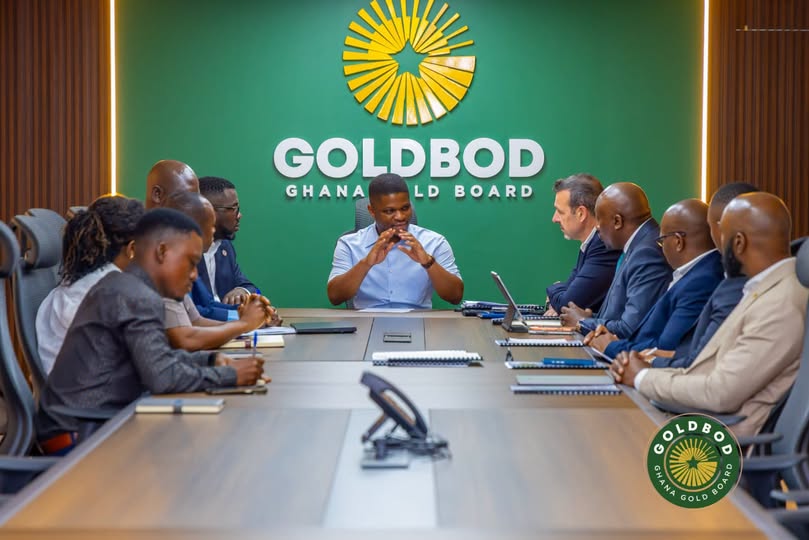
“The engagement provided a platform for GoldBod and TU Bergakademie Freiberg to explore potential cooperation in skills development, technology and environmental sustainability as part of efforts to promote a more responsible ASM sector in Ghana.”
Ghana Gold Board (GoldBod)
The strategic dialogue serves as a critical pathway toward modernising artisanal gold recovery while addressing the severe ecological liabilities associated with informal mineral extraction.
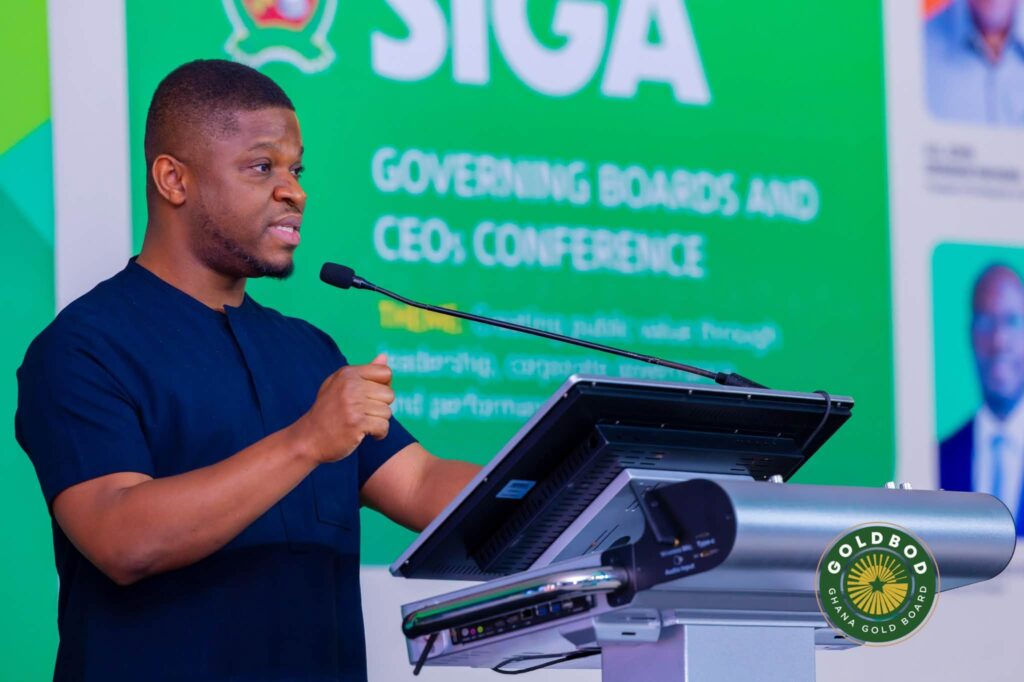
By bringing together the institutional authority of GoldBod and the specialized academic knowledge of TU Bergakademie Freiberg, the partnership targets structural reforms across the entire ASM value chain.
Key focus areas of the engagement encompass targeted youth skills development, formal technical training, real-time environmental monitoring, verifiable supply chain traceability, responsible gold sourcing, and post-mining land reclamation.
Addressing Ecological Modernisation and Supply Chain Traceability
The push to formalize Ghana’s small-scale mining sector stems from the pressing need to mitigate widespread land degradation, heavy metal contamination, and river siltation caused by unsafe extraction techniques.
Small-scale mining accounts for a substantial share of Ghana’s national gold output and supports millions of rural livelihoods, yet its informal operations often lack land restoration plans and advanced mineral processing technologies.
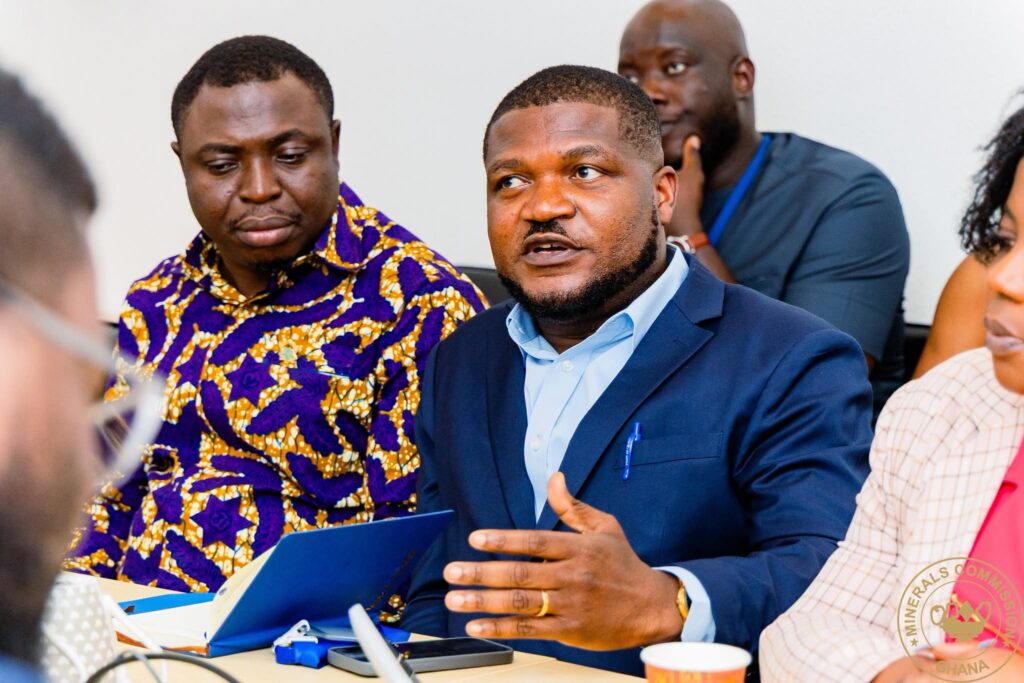
To remedy these structural deficiencies, institutional cooperation focuses heavily on introducing environmental monitoring frameworks alongside post-mining landscape restoration.
Prof. Ing. Martin Kressen, speaking on behalf of the German university, highlighted the institution’s extensive technical background in mining engineering and land rehabilitation, reiterating that integrated land rehabilitation must be embedded into active mining schedules to ensure post-extraction land retains agricultural and communal value.
Grassroots Solutions and Technical Enterprise Development
Achieving long-term stability within the extractive industry requires practical policy solutions that accommodate the operational realities of local miners.
Dr. Ing. Martin Mensah emphasized that technical interventions must begin with listening directly to artisanal miners in order to design accessible, real-world solutions that encourage voluntary formalisation.
Furthermore, the partnership highlights significant opportunities to build local technical capacity by training young Ghanaian professionals and incubating specialized service enterprises.
These trained technical entities will be equipped to offer professional surveying, mine planning, safety oversight, and environmental testing services directly to small-scale mining concessions.
Institutional Synergies and Sustainable Mining Trajectory
Through the Market Entry Programme facilitated by AHK Ghana, this bilateral exchange establishes a foundation for long-term technology transfer and industrial co-development.
GoldBod’s regulatory mandate over the domestic gold trade, combined with Germany’s advanced academic experience in ecological engineering and sustainable resource governance, creates a multi-layered framework for sector transformation.
By embedding rigorous environmental standards, professional skill development, and accountable sourcing mechanisms into everyday field practices, the initiative aims to convert small-scale mining from an environmental liability into a structured driver of sustainable local economic growth.
READ ALSO: Ghana’s Nuclear Test Is Now Financing