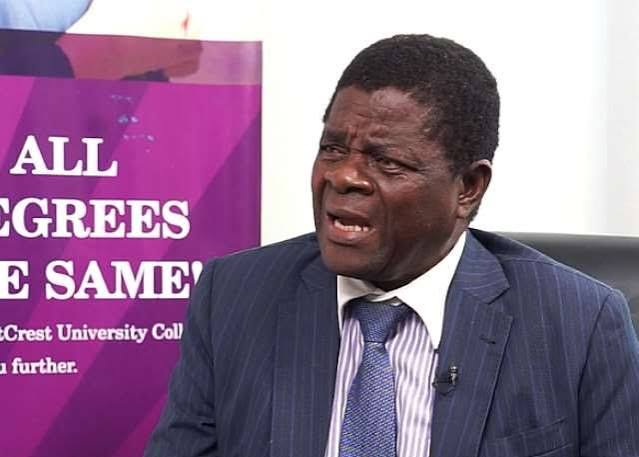
The Former Director of the Ghana School of Law, Mr Kwaku Ansa-Asare has criticised the proposed extension of Ghana’s presidential term from four years to five years, arguing that the change could create additional opportunities for executive excesses.
He emphasised that the existing four-year mandate should remain because anyone seeking the presidency should be prepared to deliver within the constitutional period provided for the office.
According to Mr Ansa-Asare, preparations for governing should begin before a person assumes office, including the development of policies and the selection of ministers needed to execute the administration’s agenda.
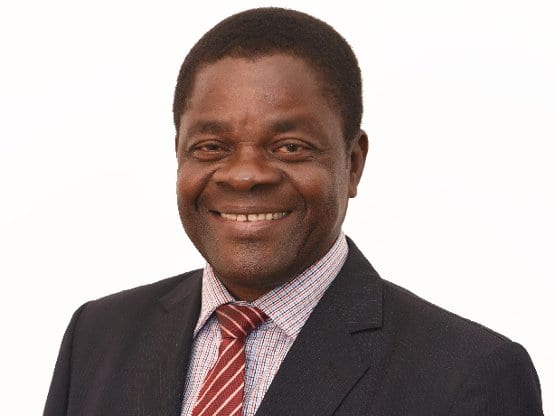
The Former Director therefore questioned the justification for adding another year to the presidential mandate, particularly in light of Ghana’s continuing challenges with corruption.
“I am opposed to the 5 years because if anyone who decides to contest presidential elections cannot function within 4 years, then the person has no business entering the race at all.”
Kwaku Ansa-Asare
His position follows the NPP’s rejection of the Constitutional Review Committee’s recommendation to extend presidential and parliamentary terms from four years to five years. The party has argued that the existing four-year presidential mandate provides a regular opportunity for citizens to assess elected governments.
Addressing the wider constitutional process, Mr Ansa-Asare also referenced arguments previously advanced by former Attorney General Martin Amidu on the timing of the proposed reforms. From his perspective, the constitutional amendment process must be examined against the requirements contained in Chapter 25 of the 1992 Constitution.
He argued that the prescribed procedures would make it difficult to complete a referendum and bring the proposed changes into effect within the timeline being contemplated by the government. The Former Director consequently questioned the pace at which the review process was advancing, particularly as the government has already established an Implementation Committee to work on the recommendations.
However, the NPP has framed its objection around the process as well as specific recommendations, calling for a Constituent or Consultative Assembly before the proposals proceed to final approval. The party argues that the scale of the proposed changes requires wider deliberation involving political parties, organised labour, professional bodies and other groups.
Mr Ansa-Asare further linked the proposed five-year mandate to the need for stronger safeguards against excessive accumulation of executive power. He indicated that constitutional changes should be approached with particular care because provisions affecting presidential tenure can have consequences for democratic accountability.
Fixed Chief Justice Tenure Raises Judicial Independence Questions
The Former Director of the Ghana School of Law, Mr Kwaku Ansa-Asare also raised questions about the proposed fixed tenure for the Chief Justice, arguing that the recommendation could affect the relationship between the judiciary and the political branches of government.
He linked the issue to wider debates about judicial independence and the constitutional safeguards intended to protect the courts from political influence. According to Mr Ansa-Asare, any change to the tenure of the Chief Justice requires careful consideration because the office occupies a central position within Ghana’s judicial system.
His argument comes as the Constitutional Review Committee’s proposals include a fixed term of office for the Chief Justice and the Electoral Commissioner. The government has identified the fixed tenure of the Chief Justice as one of the recommendations emerging from the constitutional review process.
Discussing the proposal, the Former Director referenced the constitutional principle of protecting liberty, equality of opportunity and prosperity for present and future generations. He argued that changes to the tenure of senior judicial officers should therefore be measured against the constitutional values that underpin the Republic.
“The introduction of a fixed tenure for the Chief Justice is going to be the beginning of the end of our freedom.”
Kwaku Ansa-Asare
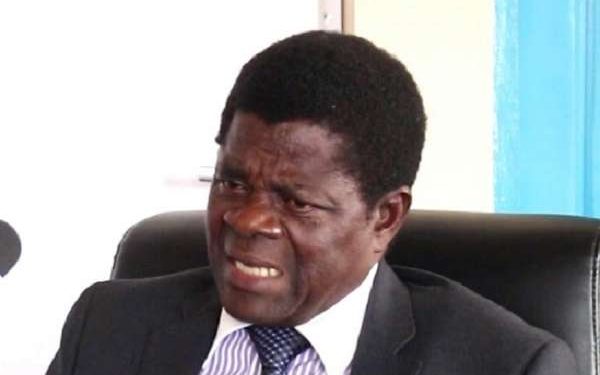
Mr Ansa-Asare also raised the issue of the proposed cap on the number of ministers, indicating that he supported the principle while calling for clarity on the number that would constitute the ceiling. He extended the same consideration to the Supreme Court, suggesting that any attempt to establish numerical limits should clearly define the intended threshold.
In addition, the Former Director criticised the excessive political influence over constitutional arrangements, warning that institutional changes should serve the public interest. The emphasis, he indicated, should remain on preserving institutions that can operate with sufficient independence while remaining accountable under the Constitution.
Against this backdrop, Mr Ansa-Asare’s comments add a legal perspective to the ongoing debate over how the proposed constitutional changes should affect key state institutions. He further cautioned that constitutional reform should preserve the balance between the Executive, Legislature and Judiciary.
READ ALSO: King Charles Calls for Responsible AI to Protect Humanity