The New Patriotic Party (NPP) has rejected proposals restricting District Chief Executive candidates to presidential nominees, calling for political parties to sponsor candidates for local elections. The NPP also opposes a phased approach that could create different voting arrangements across districts.
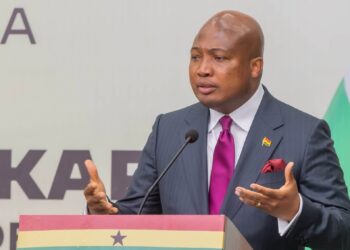
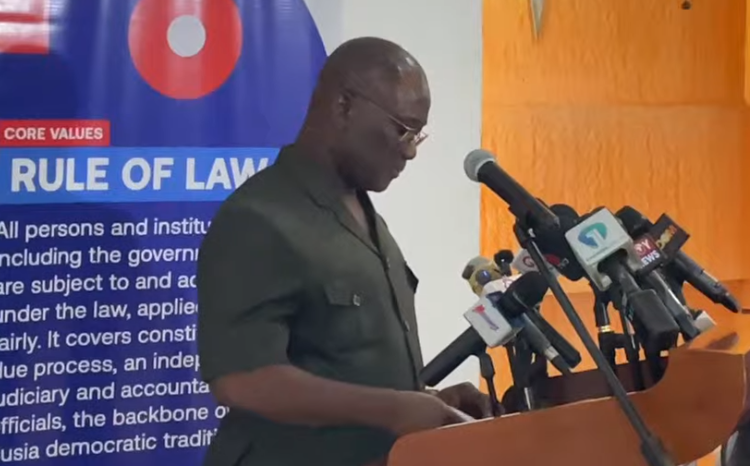
Speaking at a press conference, the Gushegu MP, Honourable Alhassan Tampuli Sulemana, explained that the party supports the election of DCEs through universal adult suffrage. He argued that eligible citizens should have an equal opportunity to choose their local political leadership irrespective of whether they live in a metropolitan, municipal or district assembly.
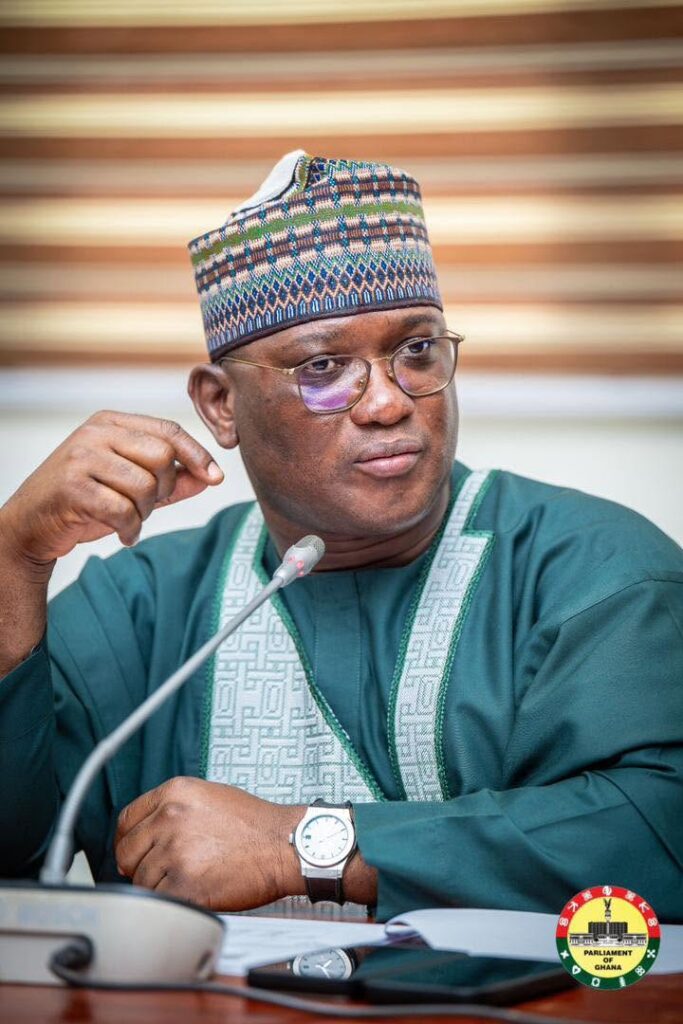
Turning to the proposed nomination process, the NPP rejected the arrangement under which the President would nominate five persons, including at least two women, from whom three candidates would be shortlisted for election. Honourable Sulemana proposed that political parties should instead be allowed to sponsor candidates in the same manner they sponsor parliamentary candidates.
The party further argued that political competition at the district level would strengthen accountability and limit excessive concentration of political authority within the Executive. According to the NPP, the arrangement would also give practical meaning to decentralisation by allowing local communities to exercise greater choice over their political leadership.
Reflecting on the phased model recommended by the Constitutional Review Committee, the Gushegu MP questioned the basis for creating different electoral opportunities depending on a district’s financial and administrative capacity. He maintained that democratic participation should not depend on whether a district is considered sufficiently developed to assume additional responsibilities.
“The fact that you don’t come from a metropolitan or municipal assembly doesn’t make you ineligible to vote.”
Honourable Alhassan Tampuli Sulemana
Referencing the proposed deputy DCE arrangement, the NPP supported the government’s rejection of the recommendation. Honourable Sulemana explained that creating an additional elected office would increase public expenditure and introduce another layer of political leadership at the district level.
The party therefore favours retaining the existing local government structures to provide administrative continuity and avoid unnecessary financial obligations. It argued that the focus should remain on creating an efficient decentralised system capable of delivering services without expanding political offices.
NPP Rejects Larger Parliament, Backs Restrictions On MPs’ Board Roles
The New Patriotic Party (NPP) has rejected proposals to increase the membership of Parliament to 300, arguing that the existing 276 seats should be retained. The party has also backed constitutional restrictions preventing Members of Parliament from serving on public boards and other publicly funded entities.
Speaking at a press conference, the Gushegu MP, Honourable Alhassan Tampuli Sulemana, argued that expanding Parliament would impose additional financial obligations without demonstrated evidence that a larger legislature would become more effective. He stressed that the current size should, at minimum, be preserved in the interest of efficiency and prudent management of public resources.
Addressing the proposed increase, the NPP disagreed with both the Constitutional Review Committee and government positions supporting a ceiling of 300 MPs. The recommendation envisages 24 additional seats based on proportional representation while taking account of women, young people and persons with disabilities.
However, Honourable Sulemana questioned the justification for creating additional parliamentary seats when the existing legislature already provides substantial representation. He argued that increasing the number of lawmakers should be supported by clear evidence that the change would improve parliamentary performance.
“There’s no demonstrated evidence that increasing the number of parliamentary seats would necessarily make Parliament more effective.”
Honourable Alhassan Tampuli Sulemana
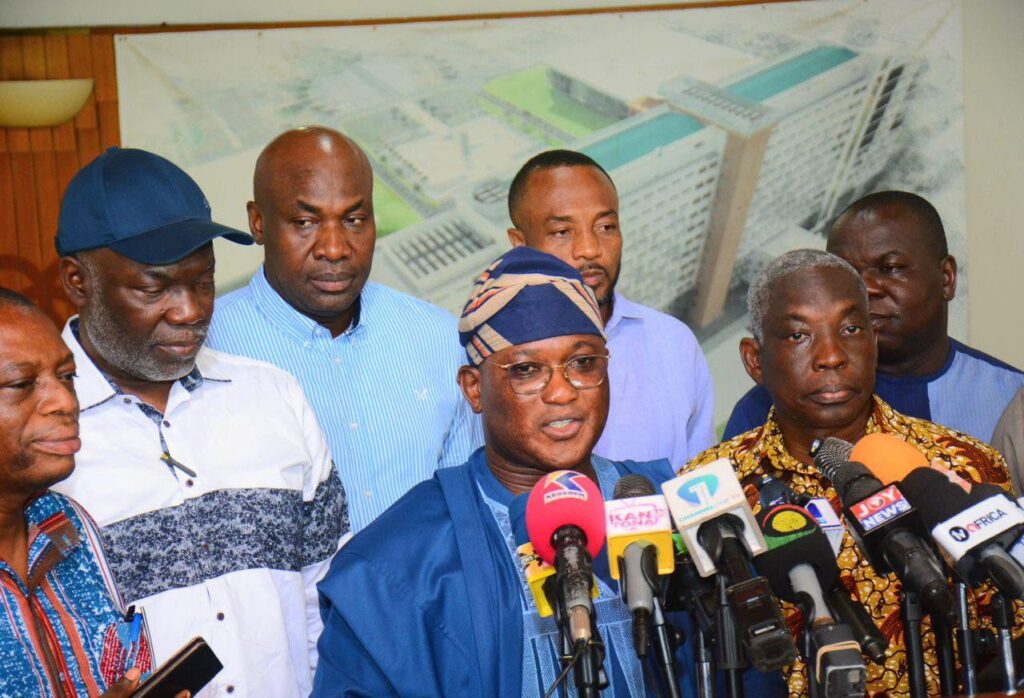
The NPP therefore favours maintaining the current parliamentary structure while focusing public resources on improving the effectiveness of existing institutions. Referencing the proposed allocation of additional seats, the Gushegu MP indicated that representation should also be considered alongside the financial implications of running Parliament.
Speaking about MPs serving on public boards, the NPP took a different position from government by supporting the Constitutional Review Committee’s recommendation for stronger constitutional conflict of interest restrictions. The proposal would prevent MPs from serving on boards, procurement bodies and other publicly funded entities.
Honourable Sulemana explained that the restriction would reinforce Parliament’s oversight responsibilities while reducing situations where lawmakers could have competing institutional interests. He also linked the proposal to the NPP’s position that MPs should not simultaneously serve as Ministers of State.
The party believes separating parliamentary oversight from executive and board responsibilities would strengthen the independence of MPs in carrying out their constitutional functions. According to the NPP, clearer restrictions would also establish stronger standards for public office holders and parliamentary conduct.