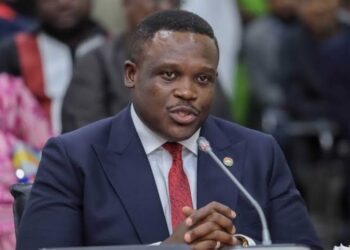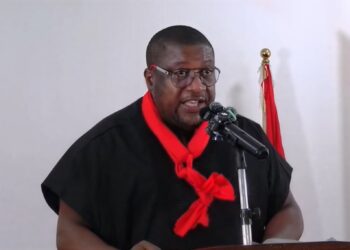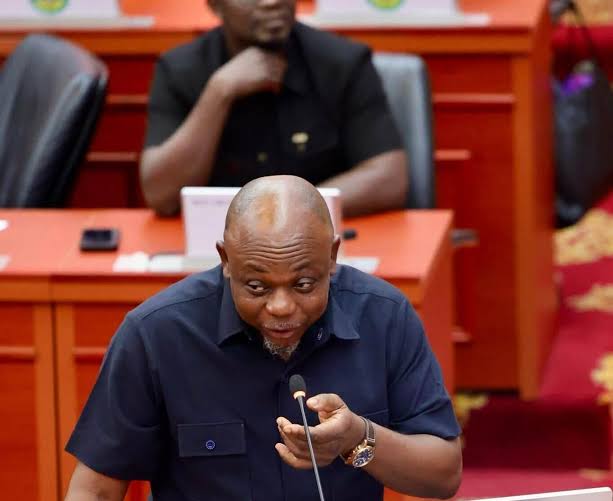
The Majority Leader in Parliament, Honourable James Agalga has defended Speaker of Parliament, Rt. Hon. Alban Bagbin’s decision to have the Member of Parliament for Damongo, Honourable Samuel Abu Jinapor, escorted out of the Chamber following their confrontation over allegations concerning the sale of diplomatic passports.
Honourable Agalga insists that the Speaker acted appropriately in enforcing parliamentary procedure after the Member of Parliament failed to comply promptly with repeated instructions to withdraw claims he could not substantiate.
In describing the dynamics in the chamber, he observed “the speaker has a bird’s-eye view.” From this standpoint, the Builsa North MP asserted that the incident was fundamentally a matter of parliamentary discipline, arguing that members must respect the authority of the presiding officer.
“The Standing Orders do not permit members to engage the Speaker in debates. You immediately resume your seat. You don’t engage the Speaker in a banter. You cannot debate the Speaker.”
Honourable James Agalga
Honourable Agalga explained that the controversy began after Honourable Samuel Abu Jinapor alleged that diplomatic passports were being sold for amounts ranging between US$10,000 and US$50,000. The Majority Leader objected to the allegation on the grounds that the Damongo MP has not presented evidence to support the figures or substantiate the alleged transactions.

He explained that parliamentary procedure requires members who make serious allegations to provide supporting evidence, including by tabling relevant material before the House. However, Honourable Jinapor’s response that “the information is in the public domain” did not, in Honourable Agalga’s estimation, satisfy that requirement.
The Majority Leader further recounted that Speaker Bagbin repeatedly directed the legislator to withdraw the allegation, but the exchange continued as the MP sought to engage the presiding officer in a debate. He emphasised that, “remember that he’s the one charged with the responsibility to maintain order and discipline in the House.”
Consequently, Honourable Agalga rejected suggestions by the Minority Leader that the Speaker has acted autocratically, insisting that his intervention was necessary to prevent disorder in the Chamber. He also defended the decision to remove Honpourable Abu Jinapor, explaining that the Standing Orders empower the Speaker to order a member’s removal when the individual fails to comply with his directives.
Regarding the duration of the disciplinary action, the Builsa North MP clarified that an order for a member’s removal ordinarily applies for the “remainder of that sitting day.” The affected legislator may subsequently return to the Chamber when the period of the order has expired.
Agalga: Minority Must Use Committees To Probe Passport Claims
Beyond the confrontation that led to Samuel Abu Jinapor’s removal from Parliament, the Majority Leader, Honourable James Agalga challenged the Minority to activate the House’s oversight mechanisms to investigate allegations surrounding the issuance of Ghanaian passports.
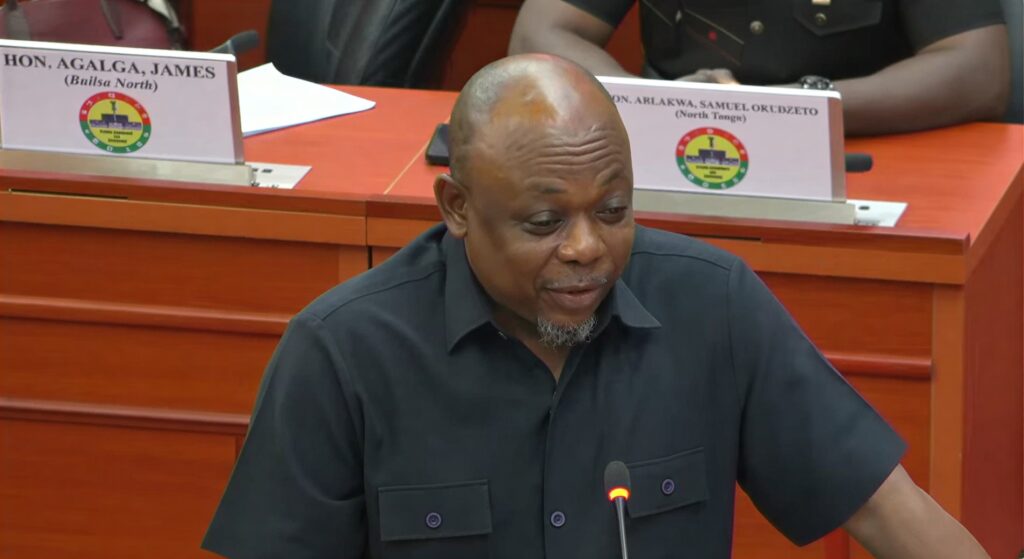
He believes the Foreign Affairs Committee has the authority to summon relevant officials and examine the claims, making it unnecessary for legislators to rely solely on unsubstantiated allegations during parliamentary debates.
The Builsa North MP identified the committee system as “a more appropriate avenue for scrutinising matters” involving the Ministry of Foreign Affairs and its agencies.
“This issue involves a said individual who was employed in 2004. The Minister for Foreign Affairs, when the matter came to his attention, immediately caused the interdiction of the officer involved to pave the way for some investigations to be carried out.”
Honourable James Agalga
He argues that the Minister’s responsibility should be assessed in light of the action taken, noting that public officials must respond appropriately when wrongdoing is reported within institutions under their supervision.
The Majority Leader further elucidated that if investigations establish the involvement of the officer, sanctions could follow in accordance with the applicable conditions of service and code of conduct. Such measures, he indicated, could include dismissal or prosecution, depending on the findings.
Nevertheless, he drew a distinction between administrative responsibility and direct culpability, asserting that a minister could be “accused of dereliction of duty” if he failed to act after becoming aware of misconduct within an agency under his authority. In his assessment, taking steps to initiate an investigation should be recognised as part of the minister’s responsibility to address the allegations.
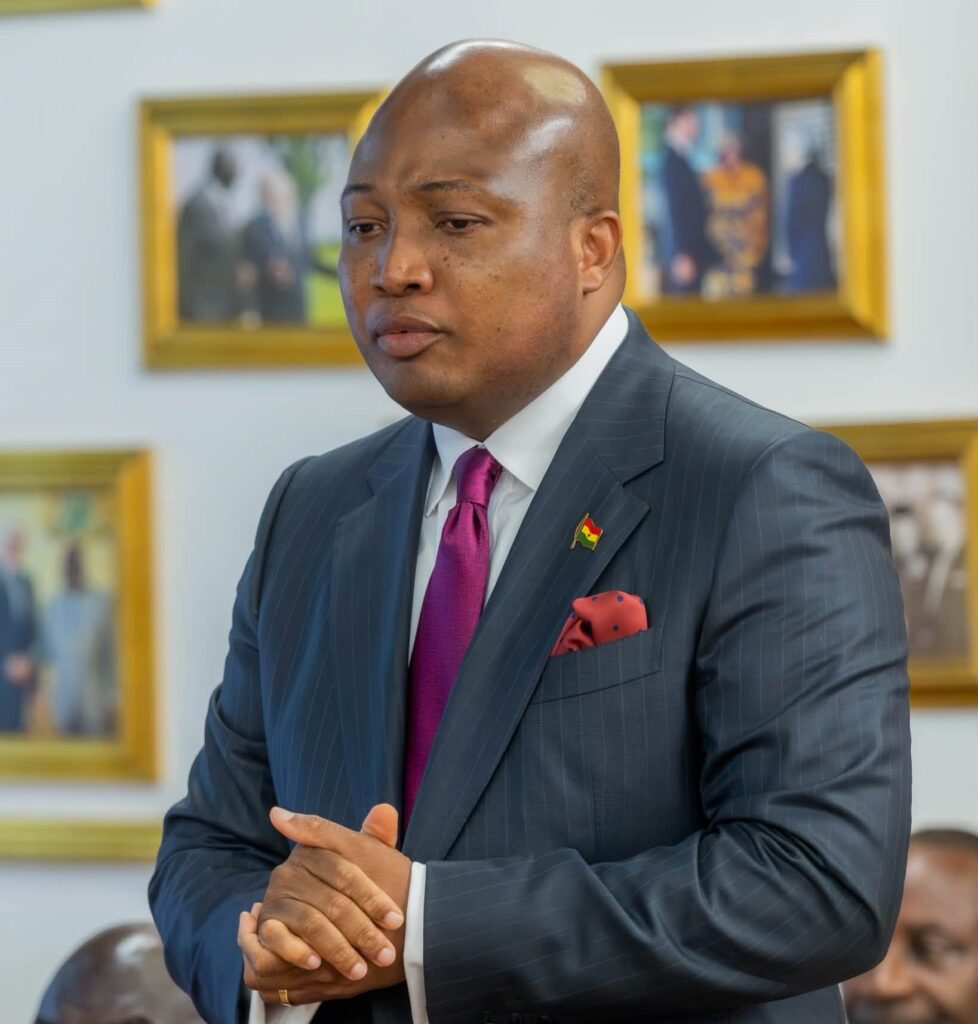
Turning to Parliament’s own investigative capacity, Honourable Agalga identified the Foreign Affairs Committee as the body equipped to summon the Minister, the Director of Passports and other officials of the Ministry for questioning. He emphasised that the committee could interrogate the circumstances surrounding the allegations and demand explanations from those responsible for administering the passport system, accusing the minority of wanting “to play to the gallery by making allegations which have not been established in any forum.”
Consequently, the Majority leader questioned whether Honourable Abu Jinapor, who serves as the Ranking Member on the Foreign Affairs Committee activated the committee’s oversight responsibilities before raising the matter on the floor of Parliament. He also proposed that the Minority could submit parliamentary questions, including urgent questions, to compel the Minister to appear before the House and account for the matter.
READ ALSO: Real Madrid Rally to Beat AEK as Liverpool Suffer First UCL Loss