Parliamentary Affairs Analyst Clement Akoloh has defended Speaker of Parliament Alban Bagbin’s decision to have Damongo MP Samuel Abu Jinapor escorted from the Chamber following their confrontation over allegations concerning the sale of diplomatic passports.
Mr Akoloh believes the Speaker’s action was “politically right” by insisting that the conversation could not proceed.
The Analyst contended that although MPs enjoy constitutional protection and parliamentary privileges to raise matters of national interest, those rights must be exercised with due regard for the integrity of the House. He therefore considered the Speaker’s intervention a measured response to allegations that could have implications for Ghana’s international reputation.
“And I think that the Speaker was magnanimous in saying that, ‘I’m willing to allow you to go ahead, but gather yourself properly, bring the evidence and let’s move on from there.’ I think that was being fair to the Member of Parliament.”
Clement Akoloh
Mr Akoloh acknowledged that the Constitution, particularly Article 116, protects parliamentary proceedings from certain legal consequences, while Order 23 of Parliament’s Standing Orders provides members with the opportunity to raise matters before the House. However, he cautioned that such protections should not be interpreted as permission to make serious allegations without supporting evidence.
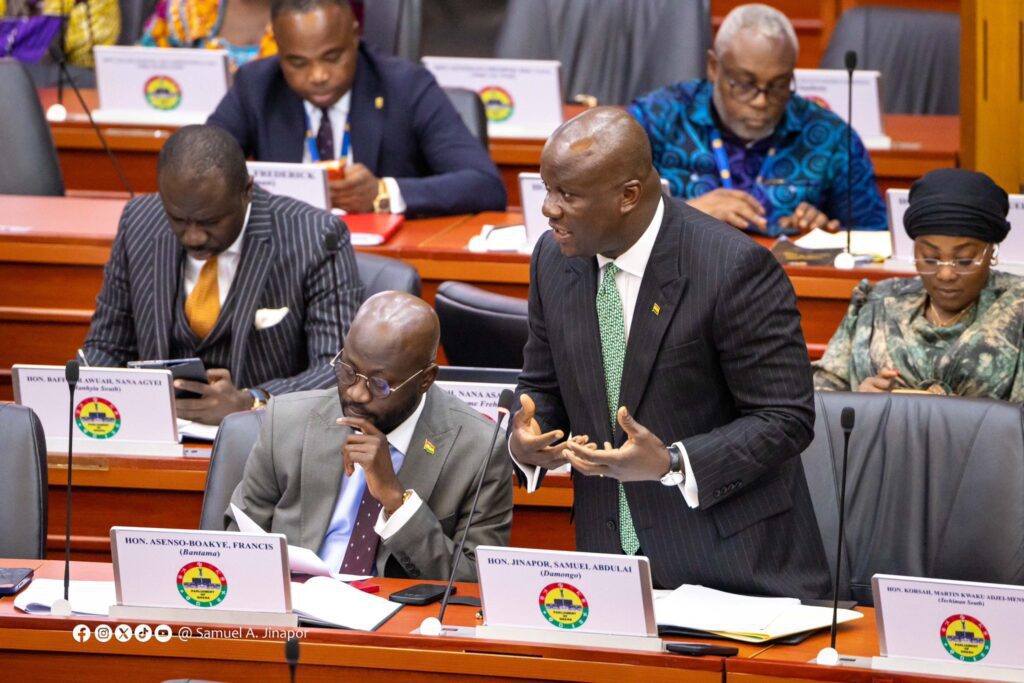
He explained that the controversy arose when Honourable Samuel Abu Jinapor, the Ranking Member on Parliament’s Foreign Affairs Committee, alleged that diplomatic passports were being sold for between US$10,000 and US$50,000.
According to Mr Akoloh, the Speaker was justified in seeking substantiation because Parliament is a “house of records” where statements made during proceedings are available for future reference. He warned that unverified claims entered into the parliamentary record could subsequently be treated as established information, potentially misleading those who consult the proceedings.
The Parliamentary Affairs Analyst consequently rejected the suggestion that the Speaker acted high-handedly by directing the Member of Parliament to leave the Chamber. He observed that the opportunity to present evidence is still available, particularly as the Speaker has indicated that the matter could proceed once the necessary material is produced.
Mr Akoloh also acknowledged that members of the Minority have the right to leave the Chamber in solidarity with their colleague after the order was carried out. Nevertheless, he insisted that parliamentary privilege must operate alongside responsibility, especially when allegations touch on the conduct of public institutions and the country’s diplomatic standing.
Parliamentary Analyst Calls For Evidence Before Investigations
Beyond the question of the Speaker’s authority, Parliamentary Affairs Analyst Clement Akoloh has called for greater discipline in the manner serious allegations are introduced and pursued within Parliament.

He believes claims with significant implications for Ghana’s diplomatic standing should be supported by credible evidence before the House is expected to initiate investigations or commit its institutional resources to them.
“Being a ranking member, I would have thought that maybe you could discuss this at the committee level, bring all the evidence that you have, and if you think that something on the floor has been done, then you escalate it to the floor of Parliament.”
Clement Akoloh
The Analyst explained that the Foreign Affairs Committee provides a specialised forum through which members can examine issues within the country’s diplomatic and international relations framework. In his view, allegations concerning the sale of diplomatic passports warranted careful examination because of their potential consequences for Ghana’s reputation abroad.
He acknowledged that the Speaker could have referred the matter to a parliamentary committee for further scrutiny. However, Mr Akoloh considered the absence of supporting evidence a significant obstacle, insisting that the House should not be expected to investigate every allegation simply because it has circulated in the public domain.
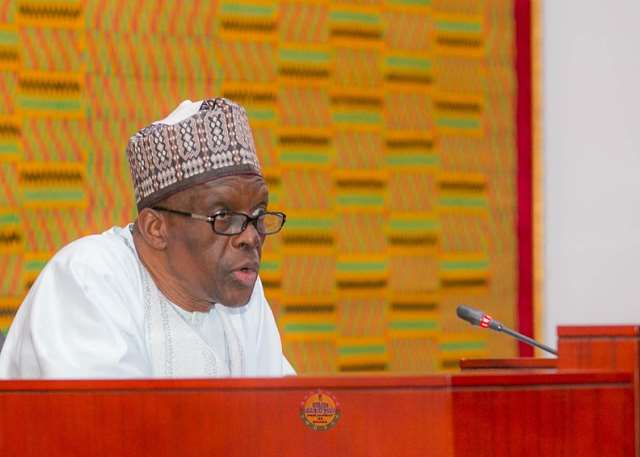
He cautioned that accepting such a practice could establish an undesirable precedent, allowing any member to rely on claims circulating on social media and demand parliamentary investigations without first demonstrating their credibility. Given the speed and volume of information circulating online, he warned that such an approach could overwhelm the House with matters that have not undergone adequate preliminary scrutiny.
On the other hand, Parliament has reconvened for the Third Meeting of the Second Session of the Ninth Parliament following its recess. Opening the sitting on Tuesday, November 3, Speaker Alban Bagbin called on Members of Parliament to put aside partisan interests and prioritise the national interest in their deliberations.
The House is expected to consider several important matters over the next eight weeks, including the 2027 Budget, proposed constitutional reforms and 11 bills. However, the opening sitting was marked by a heated disagreement between the Speaker and Damongo MP, Honourable Samuel Abu Jinapor, which resulted in a Minority walkout.