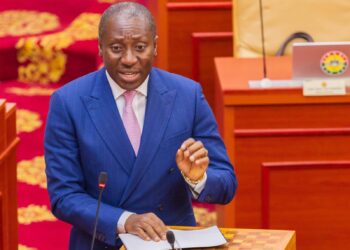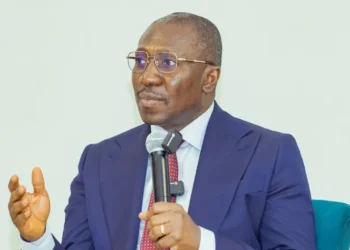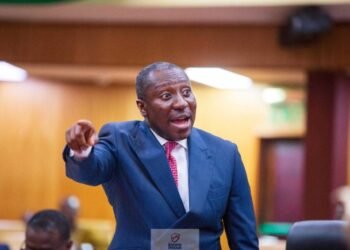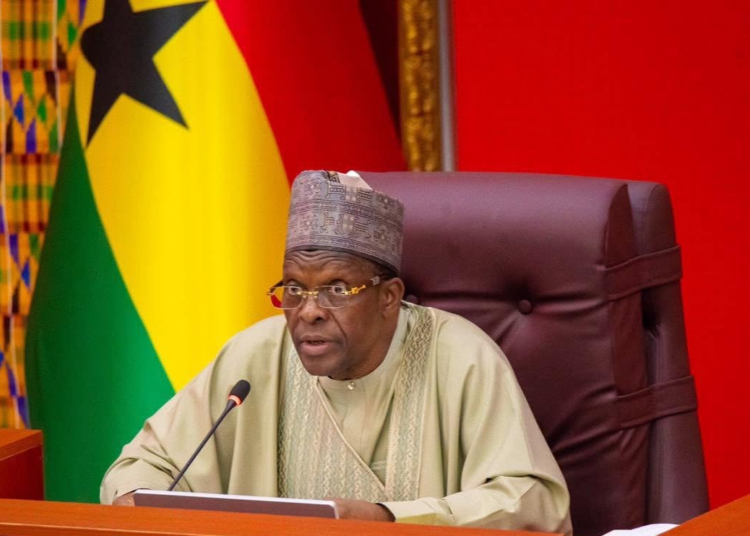
The Speaker of Parliament, Rt. Honourable Alban Kingsford Sumana Bagbin has directed Members of Parliament and committee chairpersons to observe strict punctuality and expedite outstanding parliamentary business during the House’s eight-week meeting.
He issued the directive during his address to Parliament, emphasising that the volume of work awaiting consideration demands disciplined scheduling and the judicious use of available time.
The Speaker cautioned leadership, committee chairpersons and MPs against unnecessary delays and prolonged adjournments, insisting that “pending legislative and oversight matters must receive timely attention.” He also instructed committees to prioritise outstanding referrals and submit their reports promptly to enable the House to discharge its constitutional responsibilities within the limited period.
“Parliament will sit on time. If we say we are sitting at two… then at 2pm, I should be reading the prayers. If you want to be left behind, you will do so.”
Rt. Honourable Alban Kingsford Sumana Bagbin
Rt. Hon. Bagbin’s directive comes against the backdrop of a substantial parliamentary workload, with the House expected to process several bills, instruments, motions and committee referrals before the meeting concludes. He therefore urged committee chairpersons to work closely with their ranking members and secretariats to accelerate deliberations on matters referred to them.
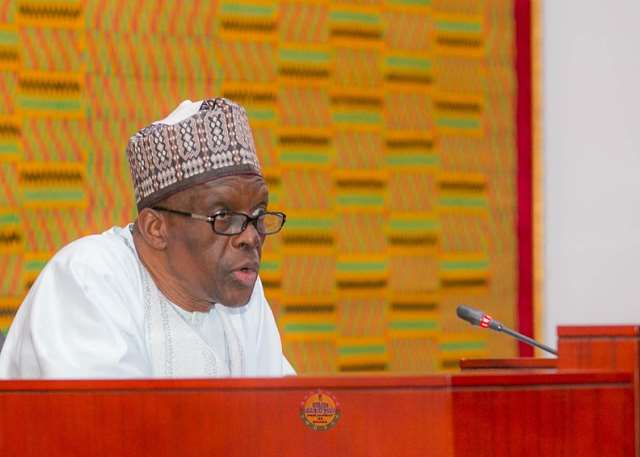
The Speaker also tasked the Business Committee with ensuring that the parliamentary programme is realistically structured, warning that inefficient scheduling could undermine the House’s ability to complete its assignments.
“The effectiveness of Parliament is not measured by the number of items disposed of, but by the diligence, thoroughness, and integrity with which we discharge our constitutional responsibilities.”
Rt. Honourable Alban Kingsford Sumana Bagbin
Providing an overview of the workload, Rt. Hon. Bagbin identified 11 bills at various stages of the legislative process and nine instruments awaiting consideration by committees. Parliament is also expected to receive 44 papers, including reports and documents relevant to its oversight responsibilities.
Furthermore, the agenda contains 582 referrals requiring examination and follow-up, alongside 58 motions comprising 53 public motions, four private members’ motions and one half-hour motion. The House must also address 204 outstanding questions, three urgent questions and one petition.
In view of these demands, the Speaker expects ministers and their technical teams to make the necessary policy and administrative support available to facilitate parliamentary work. He emphasised that government business must reach the House in good time to allow adequate consideration.
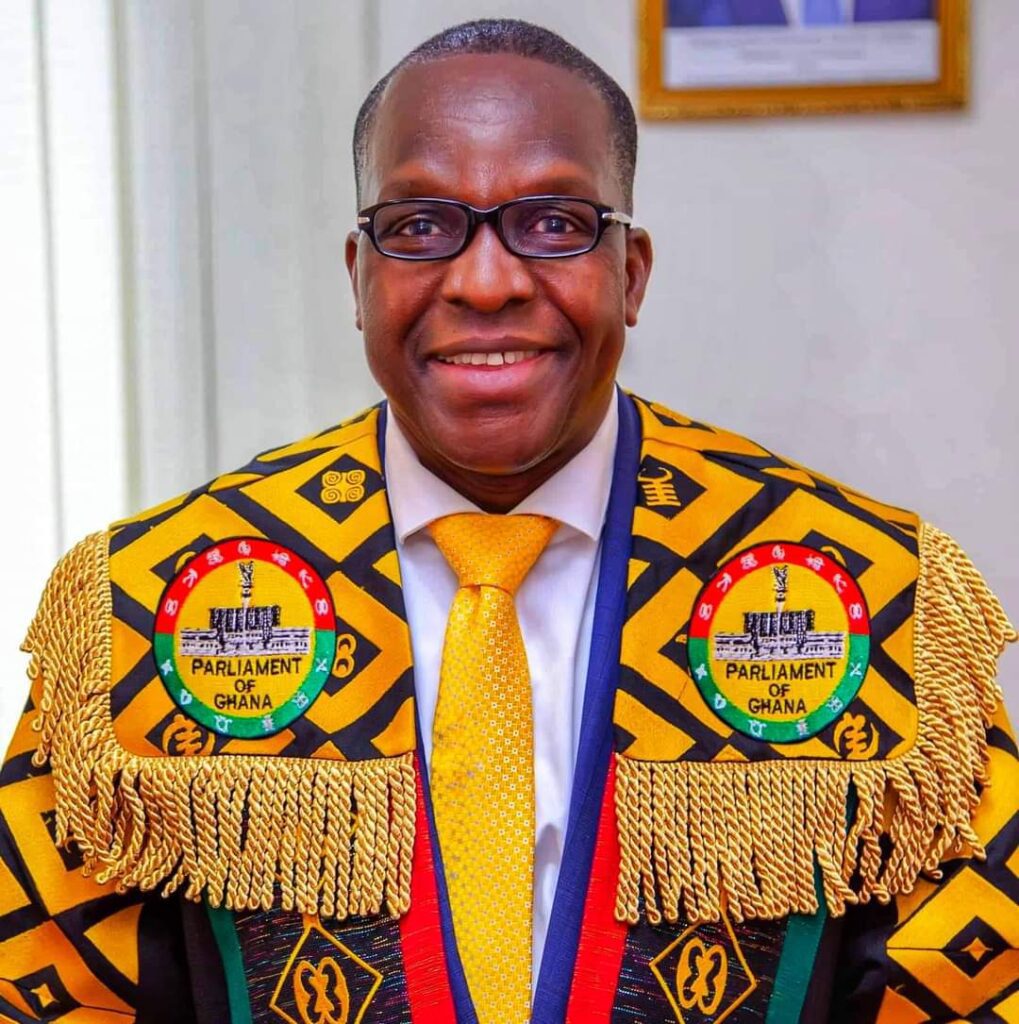
Rt. Hon. Bagbin also called for order, discipline and decorum throughout the meeting, reminding MPs that they owe the institution and the Ghanaian public a duty to conduct parliamentary business responsibly.
Speaker of Parliament Calls For Consensus On Constitutional Reforms
As Ghana prepares for another phase of constitutional review, Speaker of Parliament Rt. Honourable Alban Kingsford Sumana Bagbin called on MPs across the political divide to build consensus on proposed amendments to the 1992 Constitution.
Addressing the House during parliamentary proceedings, he cautioned against turning constitutional reform into “a partisan contest” insisting that “any changes must reflect the collective interests and aspirations of the Ghanaian people.”
The Speaker’s appeal follows indications that the Attorney-General intends to present a comprehensive constitutional amendment bill addressing several non-entrenched provisions. However, Rt. Hon. Bagbin clarified that the anticipated legislation would not displace the Constitution of Ghana Amendment Bill, 2026, already before Parliament, which seeks to amend provisions concerning dual citizenship and eligibility for public office.
“The Constitution belongs to the people of Ghana. It is the property of neither the government nor the opposition. It is the fundamental law that binds us together as one people under one republic.”
Rt. Honourable Alban Kingsford Sumana Bagbin
Rt. Hon. Bagbin emphasised that the existing amendment bill must continue through the parliamentary process in accordance with the Constitution and the Standing Orders. He further noted that the report of the Constitution Review Implementation Committee acknowledges the bill’s presence before the House and raises no objection to Parliament proceeding with its consideration.

The Speaker observed that more than three decades after the Constitution came into force, the country must assess its constitutional experience and identify provisions that may require refinement. He pointed to the need to strengthen democratic governance, accountability, institutional effectiveness and the responsiveness of Ghana’s constitutional arrangements to changing public expectations.
Although he recognised indications of considerable public support for certain amendments, the Speaker insisted that the central question is how Parliament would approach the proposals. In his view, the constitutional reform “must not become another arena for partisan contestation.”
Beyond securing political agreement, Rt. Hon. Bagbin underscored the importance of legislative quality and constitutional soundness. He warned MPs against equating the speed of passing bills with effective lawmaking, arguing that the credibility of Parliament depends on the coherence and integrity of the laws it enacts.
Consequently, he called on parliamentary leadership to collaborate with relevant ministers and their technical teams to ensure that proposed legislation receives adequate scrutiny. Such cooperation, he indicated, would help members examine policy implications, resolve drafting difficulties and address concerns before bills are passed.
READ ALSO: Afenyo-Markin Demands Answers Over Obuasi SHTS Abuse Allegations