
H .E. Gariballa Khidir Ali (Gariballa Khidir Ali Eldaw), the Ambassador of the Republic of Sudan to Ghana, has paid a courtesy call on the Chief Executive Officer of the Ghana Gold Board (GoldBod), Sammy Gyamfi, Esq., to explore bilateral cooperation in precious minerals management.
The high-level meeting, held at the GoldBod headquarters in Accra, focused on strengthening diplomatic ties between both nations while establishing a shared framework for responsible gold trade and strategic sector governance.
“Both parties expressed their readiness to deepen partnerships in responsible gold governance, trade and investment for the mutual benefit of the two countries. Cooperation in responsible sourcing, trade facilitation and investment carries practical value for both countries, since shared standards make gold easier to trace, harder to smuggle and more attractive to legitimate buyers. The Ambassador conveyed Sudan’s interest in closer engagement with Ghana on gold-sector matters, and both sides agreed that the relationship between the two countries offers a useful foundation for that work.”
Ghana Gold Board
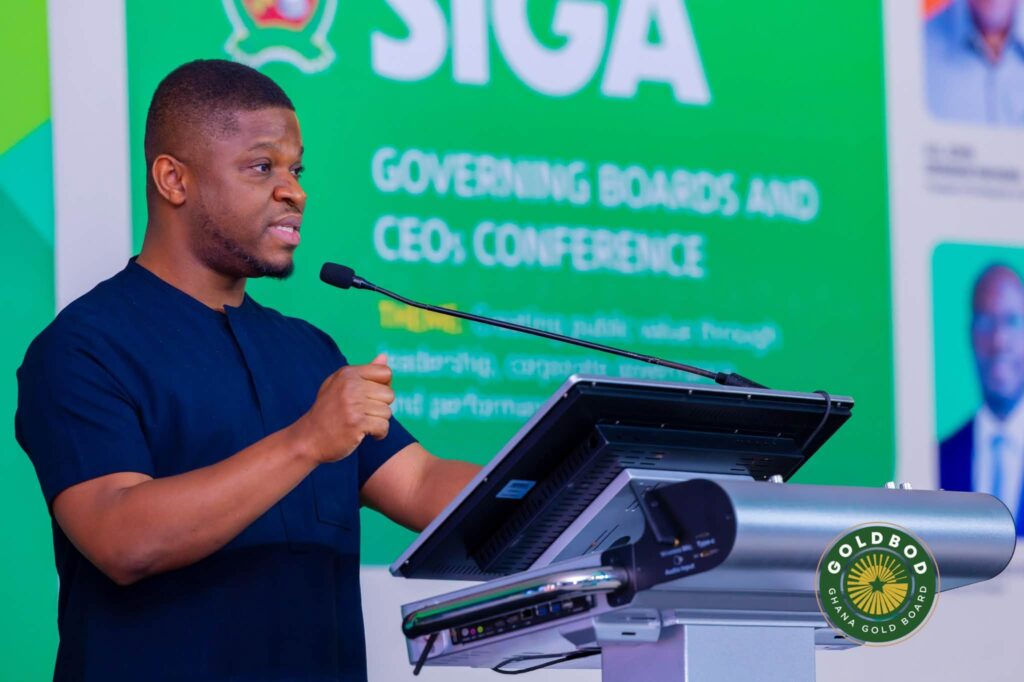
The bilateral engagement expanded on the mutual commitment of both nations to foster responsible gold governance, cross-border trade facilitation, and targeted investment within their respective extractive industries.
During the briefing, Sammy Gyamfi, Esq., detailed GoldBod’s regulatory mandate under the Ghana Gold Board Act, 2025 (Act 1140), emphasizing exclusive statutory authority over the purchasing, weighing, grading, assaying, valuing, and exporting of gold and precious minerals.
He further highlighted ongoing institutional reforms aimed at formalizing artisanal and small-scale mining (ASM) sectors, improving supply chain transparency, and instituting rigorous traceability mechanisms from initial mine-site licensing to final export.
Aligning ASM Frameworks Across Mineral-Rich African Nations
Ghana and Sudan represent two of Africa’s primary gold producers, with both economies heavily reliant on informal and small-scale extraction networks.
The strategic dialogue between H.E. Gariballa Khidir Ali and Sammy Gyamfi, Esq., highlights a broader regional shift toward unified regulatory frameworks designed to bring illegal small-scale operations into formal financial systems.
For decades, the sub-Saharan artisanal gold trade has suffered from illicit financial flows, informal supply chains, and cross-border smuggling networks that drain national reserves.
By sharing operational models between GoldBod’s centralized assaying authority and Sudan’s mining regulatory bodies, both countries can standardize assaying protocols and gold-buying operations.
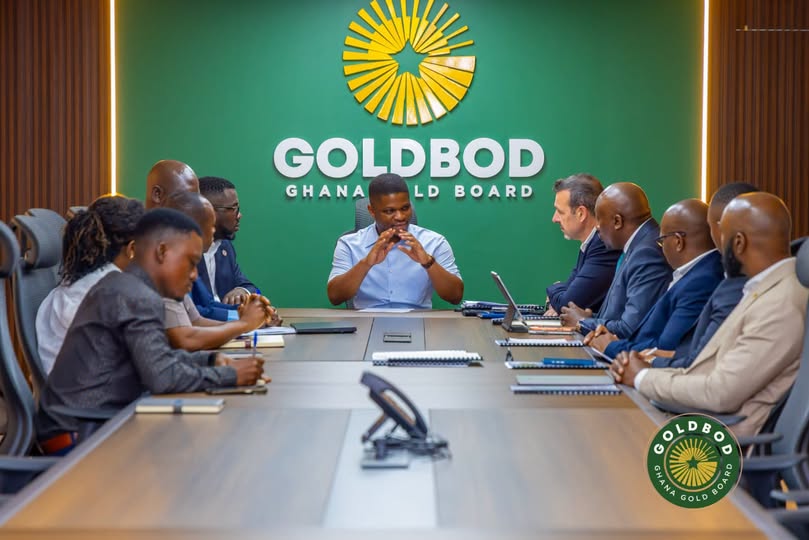
Aligning these standards makes illegal gold harder to move across borders, protecting sovereign revenues while providing small-scale miners with access to legal, fair-value markets.
Furthermore, direct bilateral regulatory collaboration helps align local practices with international guidelines, such as the OECD Due Diligence Guidance for Responsible Supply Chains of Minerals from Conflict-Affected and High-Risk Areas.
As global buyers demand verifiable sourcing certifications, joint institutional oversight positions both Ghana and Sudan as reliable destinations for legitimate international mineral investment.
Technical Harmonization and Smuggling Countermeasures
At the core of the GoldBod mandate under Act 1140 is the establishment of a centralized legal monopsony for small-scale gold production, alongside strict traceability mandates.
Extending these administrative protocols into bilateral agreements provides a clear mechanism to combat transnational mineral leakage.
When producing nations adopt standardized assaying and digital tracking systems, cross-border price arbitrage and illegal smuggling become far more difficult to conceal.
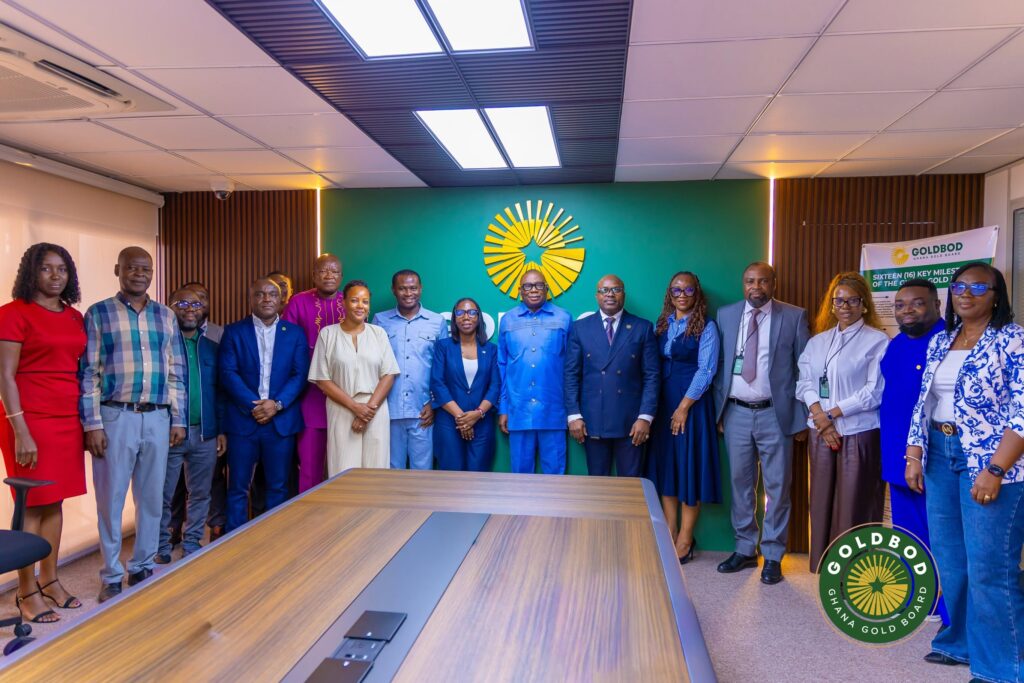
Standardizing purity checks, weight determinations, and export documentation creates an integrated regulatory umbrella across partner states.
Sammy Gyamfi, Esq., emphasized that formalizing small-scale operations requires robust verification at every link in the value chain.
The exchange of technical expertise between Ghana’s newly unified regulatory body and Sudanese mining authorities lays the groundwork for shared intelligence, joint enforcement strategies, and streamlined export validation mechanisms across African extractive markets.
Strategic Implications for Regional Economic Growth
Establishing formal diplomatic cooperation on mineral trade marks a key transition from isolated national regulation to strategic continental integration.
By aligning commercial policies, both nations strengthen their positions within the broader objectives of the African Continental Free Trade Area (AfCFTA), which seeks to boost intra-African trade and keep resource processing value within the continent.

“The courtesy call concluded with a commitment to continued dialogue and to identifying concrete areas of collaboration in the period ahead,” signaling that this diplomatic engagement serves as the starting point for ongoing policy alignment.
Coordinated policies enable gold-producing nations to retain greater economic value through local refining, bullion storage, and direct central bank reserve accumulation rather than exporting unprocessed raw metal.
As GoldBod implements its statutory framework, regular technical exchanges with diplomatic partners like Sudan will help refine administrative procedures, secure supply chains, and establish standardized mining benchmarks across the continent.
READ ALSO: EPA Shuts Down Empire Cement Ghana Limited over Air Pollution Breaches