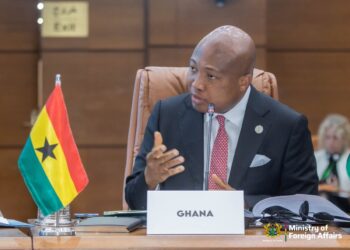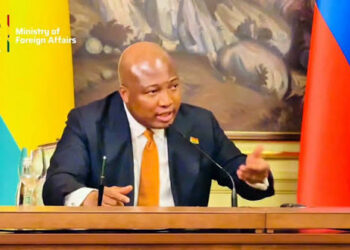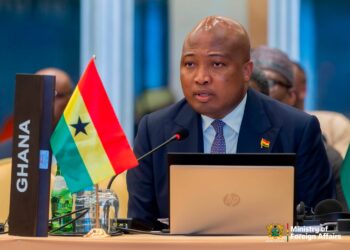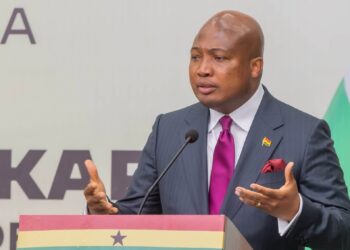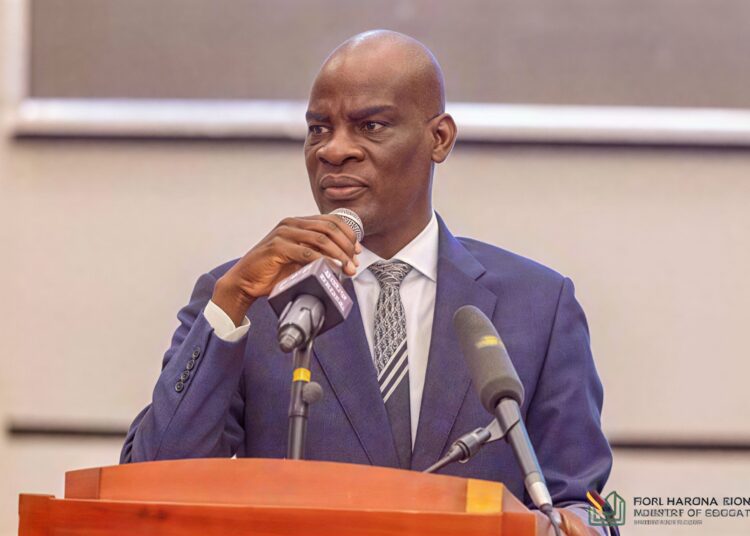
The New Patriotic Party (NPP) has called on President John Dramani Mahama to either apologise to Ghanaians or dismiss Education Minister Haruna Iddrisu over the controversy surrounding Arabic and Chinese in schools.
In a statement issued by its Education Sector Policy Committee on September 16, the party argued that the President’s rejection creates a contradiction within Government.
The NPP contended that the Education Minister has linked the proposed language policy to the President’s vision for education during an announcement on April 24. It pointed to subsequent curriculum work by the National Council for Curriculum and Assessment (NaCCA) as evidence that the matter had moved beyond public discussion.

The party explained that about 160 writers and reviewers were engaged by NaCCA to work on a revised curriculum that included Arabic and Chinese among foreign-language options. According to the statement, the curriculum was presented to the Education Minister on July 22 and referred to the Ghana Education Service for implementation readiness.
Turning to teacher preparation, the NPP highlighted a September 3 training programme organised by NaCCA with support from the Confucius Institute at the University of Cape Coast. The party argued that the training indicated that public institutions had taken practical steps towards implementation.
“Either the Minister was advancing a major policy direction without the President’s authority, despite presenting it as part of the President’s vision, or the public has still not been given the full account of what Government had actually authorised and pursued.”
NPP Education Sector Policy Committe
Referencing public expenditure, the NPP questioned resources committed to curriculum development and teacher training if no new policy had received approval. It urged the Government to account for the expenditure and clarify who authorised the activities.
The party also distinguished between Arabic and Chinese, noting that Arabic already existed as an optional subject at junior high school level before the current administration. Chinese, it argued, followed a 2026 process involving curriculum development, ministerial consideration and teacher training.
The NPP framed the matter as an issue of executive coordination and accountability. It argued that if the Education Minister acted without presidential or Cabinet authority, he should be removed, while approval or knowledge at the executive level should lead to an apology.
President Mahama Rejects Arabic Chinese School Policy Claims In Wa
President John Dramani Mahama has rejected claims that his Government has approved a new policy to introduce Arabic and Chinese across Ghana’s school curriculum. His position, delivered during a citizens’ engagement in Wa on September 12 as part of the Resetting Ghana Tour, has intensified debate over earlier actions.
Speaking at the engagement, the President explained that major changes to school subjects must receive Cabinet approval before becoming official Government policy. He emphasised that no curriculum introducing Arabic or Chinese had been presented to the Cabinet he chairs.
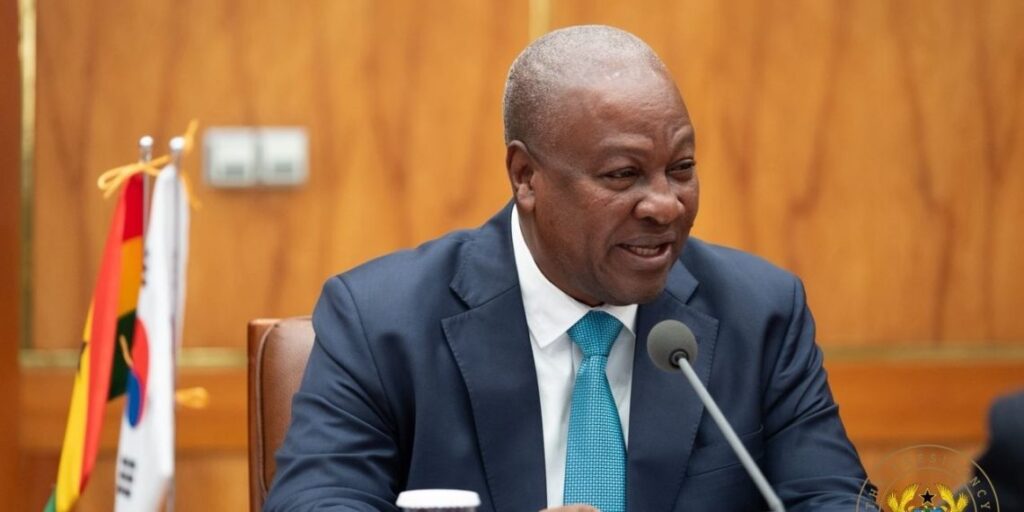
“Let me disabuse your minds. There is absolutely no new policy that says that Arabic and Chinese are going to be introduced in our school curriculum.”
His Excellency John Dramani Magama
Referencing the two languages, President Mahama questioned the practicality of introducing Chinese when Ghana continues to face shortages of French teachers. He also clarified that Arabic teaching in some schools is linked to existing English-Arabic institutions.
The President’s remarks followed earlier announcements by Education Minister Haruna Iddrisu about foreign-language instruction. The NPP has challenged the Government to explain how curriculum development and teacher training progressed if no new policy had been approved.
In August, the Media Relations Officer for the Education Ministry, Hashmin Mohammed clarified that Arabic remains an optional language in Ghana’s basic education system and is not being introduced as a compulsory subject. The Media Relations Officer emphasised that the Ministry of Education is yet to formally adopt the recommended languages. The next stages will involve further institutional consideration before the proposal reaches Cabinet for a final decision.
However, President Mahama has presented a different account of the policy’s status. He questioned where Chinese teachers would come from when Ghana was already struggling to provide sufficient French teachers.
The President also explained that Arabic teacher training supports long-established English-Arabic schools created during the Rawlings administration. He rejected the interpretation that the training amounted to a new nationwide policy.
READ ALSO: NPP National Officers Election: Proxy Register Set For September 27