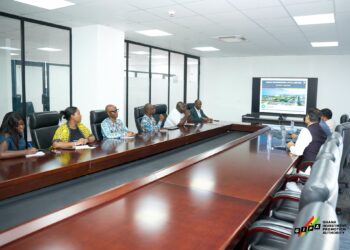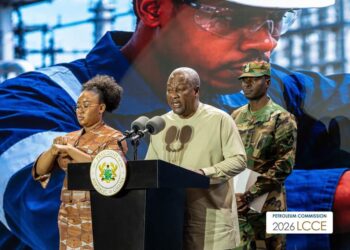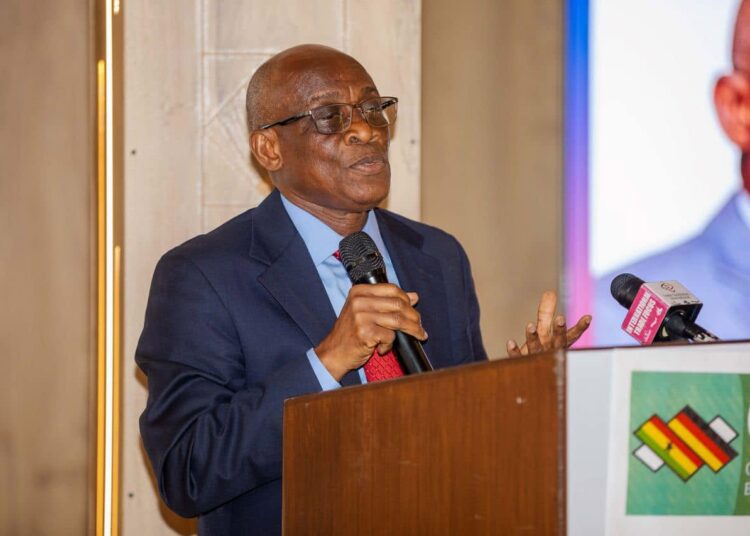
Presidential Advisor on the Economy, Seth Terkper, who represented the Chief of Staff, has urged mining companies operating in the country to explore Ghana’s domestic capital market as an alternative source of long-term financing.
Speaking at a major mining industry gathering, he stressed that Ghanaian and Chinese firms should consider raising capital through the Ghana Stock Exchange (GSE) rather than relying heavily on traditional loans.
“I look forward to the day when both Ghanaian and Chinese firms will source their capital from the Ghana Stock Exchange.”
Seth Terkper
Expanding on this economic direction, Mr. Terkper pointed out that shifting away from foreign debt toward local capital markets strengthens domestic financial depth while securing sustained investments for the resource sector.
To further reinforce infrastructure funding for industrial projects, he proposed establishing stronger strategic collaboration between the Ghana Infrastructure Investment Fund (GIIF) and the China Development Bank (CDB).
Expanding Chinese Investment Footprint in Ghana’s Extractive Sector
Meanwhile, the President of the Ghana Chamber of Mines, Ing. Frederick Attakumah, highlighted the growing presence of Chinese companies across Ghana’s gold and strategic minerals industries.
He stated that the recent expansion of Chinese-owned gold-producing mines reflects rising investor confidence in the economy, while their active participation in manganese and lithium mining demonstrates sustained long-term interest in the nation’s mineral wealth.

To complement this commercial expansion with human capital development, the conference also featured the official launch of the China-Ghana Mining Talent Development Centre.
This initiative is expected to strengthen local skills development and build a highly skilled workforce for the mining industry through specialized technical training.
Strategic Imperative for Domestic Capital Raising in Ghana
The push to transition mining finance toward the Ghana Stock Exchange addresses a long-standing structural mismatch in Ghana’s extractive economy.
For decades, major mining projects across West Africa have relied on foreign debt instruments and offshore listings, resulting in significant capital flight as profits, dividends, and interest payments leave the country.
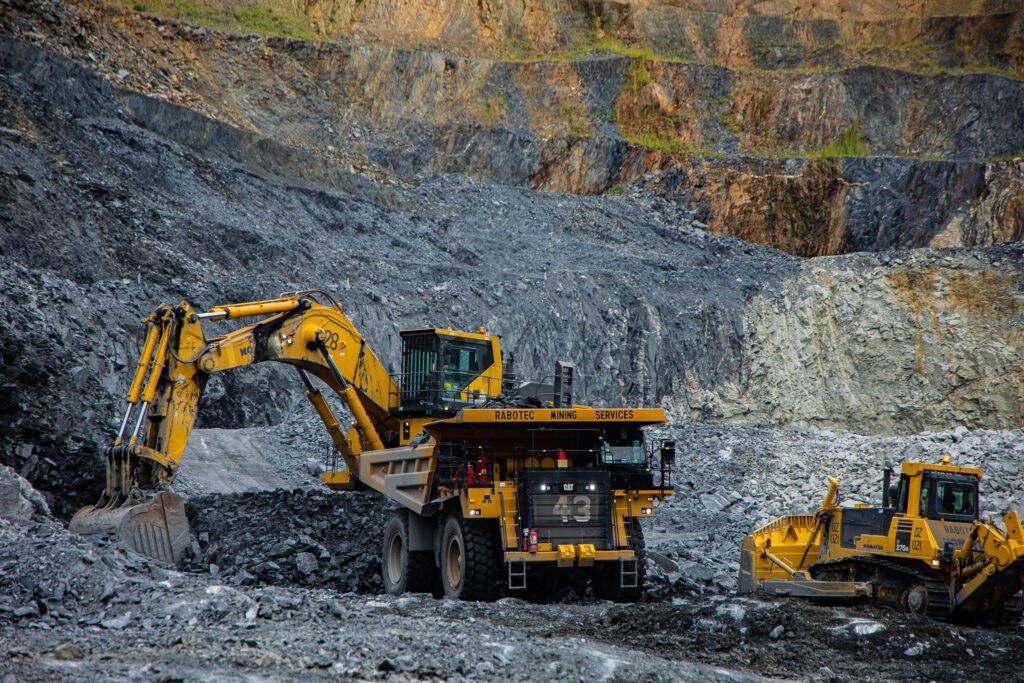
By encouraging large-scale extractives to float shares locally, the domestic capital market gains much-needed liquidity, while local pension funds and Ghanaian investors gain the opportunity to secure direct equity ownership in their country’s natural resources.
Furthermore, domestic capital sourcing reduces corporate exposure to foreign exchange volatility and eases pressure on national currency reserves.
Pairing local stock market listings with joint financing from institutions like the GIIF and CDB creates a resilient funding model, ensuring that infrastructure, human talent, and financial returns remain deeply embedded within Ghana’s national economy.
READ ALSO: Ghana Targets Industrial Growth After Economic Recovery