The African Petroleum Producers’ Organization (APPO) has unveiled a revised strategy to strengthen Africa’s control over its energy resources, expand domestic value addition and reduce dependence on imported energy products, setting out 79 initiatives to reshape the continent’s petroleum industry through 2050.
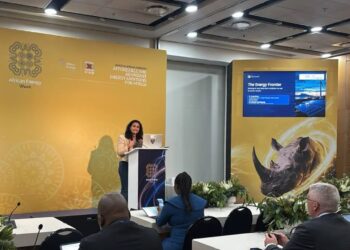
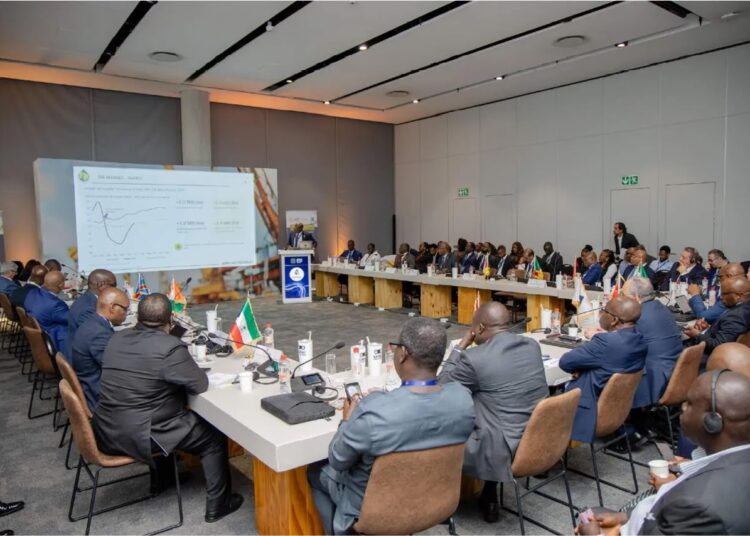
The updated blueprint was presented by Serge-Desire Kohemun, APPO’s Oil and Gas Downstream Specialist, during African Energy Week 2026 on Monday.
It replaces the organisation’s 2022 framework and introduces a review cycle every three years to keep its priorities aligned with changing market conditions.
The strategy comes as African oil and gas producers confront a persistent contradiction: the continent holds substantial hydrocarbon resources but continues to face energy poverty, limited domestic processing capacity and dependence on imported refined products.
APPO’s revised approach seeks to address that gap by shifting the emphasis from resource extraction alone towards processing, technology development, regional trade and stronger African participation across the energy value chain.
“Five major forces are reshaping the global energy sector: geopolitical shifts, divestment by international financiers, rapid technological change, the paradox of energy poverty, and the emergence of a multipolar world,”
Serge-Desire Kohemun, APPO’s Oil and Gas Downstream Specialist
He described the revised strategy as an instrument to support Africa’s next phase of economic and energy-sector development.
Six Pillars For A Different Energy Model
The roadmap is built around six pillars: energy sovereignty and value addition; technology and innovation leadership; human-capacity development; regional trade cooperation; expanded global partnerships; and natural gas as a fuel for the continent’s transition.
The emphasis on value addition is particularly significant for producing countries seeking to retain more economic benefits from their petroleum resources.

Exporting crude oil without developing sufficient domestic refining, petrochemical and related industrial capacity can leave countries exposed to imported fuel costs and external supply disruptions.
APPO intends to work with member states to identify African companies capable of competing across the energy value chain, with financing from the proposed African Energy Bank expected to support this ambition.
Kohemun said the first pillar would be the most capital-intensive, requiring countries to identify and develop African industry champions.
The organisation also plans a digital platform to profile African companies, their environmental, social and governance milestones, and emerging business opportunities.
“The six pillars of our new strategy will turn Africa from an importer to an exporter,” he said.
The ambition is considerable, and its success will depend on whether the strategy can mobilise sufficient capital, develop viable industrial projects and translate continental targets into enforceable national policies.
Ghana’s Refining And Gas Ambitions
For Ghana, APPO’s strategy intersects with efforts to expand domestic refining, develop natural gas infrastructure and retain more value from petroleum production.
Ghana has been seeking to increase local refining capacity while reducing its dependence on imported petroleum products.

Plans to expand Sentuo Oil Refinery, alongside efforts to improve the operations of the Tema Oil Refinery, reflect the broader challenge of turning domestic crude production into a more reliable supply of refined products.
The APPO framework offers a continental policy context for these efforts, particularly through its focus on value addition and financing African energy businesses.
However, the strategy’s announcement does not itself establish new financing commitments or guarantee that Ghanaian projects will receive support from the African Energy Bank.
Natural gas is another area of relevance. Ghana relies on gas for power generation and has continued to pursue investments in processing and infrastructure to support domestic supply.
Across the continent, APPO is setting a target for natural gas to account for 75% of electricity generation by 2030, while aiming to expand household and industrial gas access to 90% of Africa’s population by 2040.
Meeting those objectives would require substantial investment in production, processing, pipelines, distribution networks and power infrastructure.
It would also require countries to address affordability and access, ensuring that gas resources translate into reliable energy services for households and industry.
For Ghana, the continental targets highlight the importance of coordinating upstream production with the infrastructure needed to deliver gas to power plants, businesses and consumers.
Digital Platforms And Local Content
APPO also intends to expand digital cooperation across the continent, with four platforms targeted for launch by 2028.
The platforms are expected to support research and development, collaboration among national oil companies and the identification of local-content champions.
Fifteen of the 79 initiatives in the revised strategy specifically target national oil companies, placing them among the institutions expected to drive implementation.
The emphasis reflects the role NOCs can play in developing technical expertise, building partnerships and supporting domestic participation in petroleum projects.
For Ghana, the Ghana National Petroleum Corporation’s ability to strengthen technical capacity and deepen domestic industry participation will remain relevant to the wider objective of retaining more value from oil and gas activities.
Yet local-content targets need more than formal requirements. Companies must have access to financing, technology, skilled workers and procurement opportunities if they are to compete sustainably.
The impact of APPO’s proposals will therefore depend on how member states implement the measures and whether local firms gain meaningful access to contracts and capabilities across the value chain.
Five International Partnerships By 2028
The strategy also seeks to deepen cooperation beyond Africa. APPO plans to formalise at least five strategic international partnerships by 2028 while strengthening ties with organisations including OPEC, the African Refiners and Distributors Association (ARDA), the Energy Efficiency-related bodies identified in its strategy, and the Gas Exporting Countries Forum (GECF).
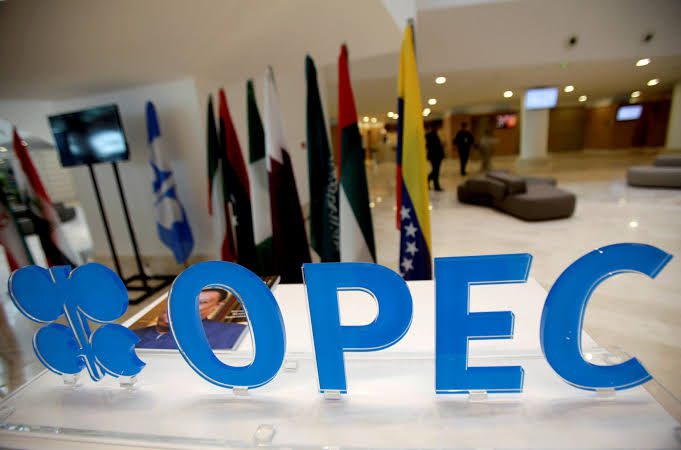
Kohemun said the organisation intended to expand global partnerships while deepening regional alliances to support cooperation across borders.
For African producers, stronger partnerships could provide opportunities to share technical expertise, coordinate market development and improve access to technology and investment.
But the objective will be to ensure that international cooperation reinforces African industrial capacity rather than leaving countries dependent on external expertise and imported technology.
The strategy’s success will ultimately be measured by whether these partnerships generate tangible improvements in infrastructure, production efficiency, energy access and domestic industry participation.
Flaring, Cybersecurity And Regulatory Alignment
APPO has also set a 2050 target to eliminate routine gas flaring by putting 95% of flared gas to productive use.
The objective links environmental performance with economic value: gas that would otherwise be burned could potentially be captured for power generation, industrial use or other markets where infrastructure and commercial conditions permit.

The organisation’s regulatory agenda includes a 2030 deadline for member states to enforce a 50% local-content requirement, adopt unified cybersecurity protocols for exploration and production, and establish a harmonised intellectual-property framework.
These measures could help create more consistent operating conditions across participating countries.
Common cybersecurity protocols are increasingly relevant as energy operations become more digitally connected, while a harmonised intellectual-property framework could support collaboration and technology development.
However, continental targets will require national implementation, monitoring and enforcement.
Differences in infrastructure, investment capacity, regulation and domestic energy needs mean that progress is unlikely to be uniform across all member states.
For Ghana, the key issue will be how APPO’s ambitions are translated into practical measures that complement existing petroleum-sector reforms and industrial development priorities.
The revised strategy presents energy sovereignty as more than control over natural resources. It places the focus on the ability to process those resources, develop African companies, build technical capacity and deliver reliable energy to households and industry.
Whether the 2050 ambition is achieved will depend on the financing, policy coordination and accountability that follow the launch.