The Auditor-General, Johnson Akuamoah Asiedu, has urged the Ministry of Lands and Natural Resources (MLNR) to immediately establish reliable, long-term financing mechanisms to guarantee that the Green Ghana Project (GGP) achieves its aggressive environmental targets.
This directive emerges from a comprehensive performance review of state-sponsored reforestation frameworks, where the national audit office flagged inconsistent resource allocations as a critical risk factor to the program’s overall viability.
By aligning fiscal planning with field operations, the Auditor-General emphasizes that the state can prevent premature project termination and secure the logistical inputs required to scale up national tree-planting exercises effectively.
“Identify and comprehensively cost all relevant project activities and establish sustainable funding arrangements to ensure effective implementation of the Project. Identify and select suitable off-reserve planting sites to improve the survival and growth rates of seedlings. Maintain accurate and complete records of all donors and ensure proper financial accounting for all donations received under the Project.”
Auditor-General, Johnson Akuamoah Asiedu
Expanding on this fiscal directive, the state audit reveals that the absence of a ring-fenced budgetary structure heavily compromises the post-planting management phase of the GGP.
While corporate social responsibility donations and ad-hoc public funds occasionally plug immediate resource gaps, they fail to provide the predictable cash flow required for multi-year land maintenance, seedling protection, and regular monitoring.
Consequently, the Auditor-General underscores that the Ministry of Lands and Natural Resources, alongside its primary implementing partner, the Forestry Commission (FC), must transition from a year-to-year spending model toward an integrated, “comprehensively costed” master plan.
This structural adjustment is deemed vital to ensure that public funds and state assets are optimized, directly linking initial financial outlays to verifiable tree survival rates across the country.
Fiscal Sustainability in Green Transitions
The Auditor-General’s intervention highlights a fundamental truth about Africa’s green transition: political ambition must be matched by rigorous fiscal engineering.
Reforestation initiatives like the Green Ghana Project are not merely aesthetic environmental campaigns; they serve as critical carbon-sink infrastructure designed to offset the growing emissions from Ghana’s industrial and extractive sectors. However, when a flagship project relies on volatile budgetary handouts, the long-term economic returns such as carbon credits and restored microclimates for hydro-generation are severely compromised.
Stabilizing the funding model means the MLNR can transition from treating the GGP as an annual ceremonial event to managing it as a high-performing national asset.

Furthermore, implementing sustainable financing safeguards the state against the financial waste often associated with uncoordinated green expenditures.
A well-defined funding pool allows the Forestry Commission to procure high-quality inputs, deploy modern geospatial tracking tools, and hire dedicated forest rangers for long-term canopy management.
Within the broader discourse of natural resource governance, establishing an independent or dedicated green fund ensures that international climate finance and carbon-offset partnerships can be seamlessly integrated into national accounts, offering the transparency that global climate donors demand.
Optimizing Silvicultural Site Selection
Beyond the financial architecture, the audit report brings crucial operational and silvicultural forest management reforms to the forefront.
The Auditor-General explicitly recommends a tactical shift toward identifying and selecting “suitable off-reserve planting sites” as a primary mechanism to enhance seedling resilience.
Historically, planting trees within heavily degraded, unprotected zones without assessing soil chemistry or local water access has led to low survival rates, meaning millions of cedis in investment literally wither away.
By focusing on carefully vetted off-reserve locations, the Ministry can foster stronger community ownership, turning local farmers into active custodians of the newly planted forests.
This strategic migration to well-mapped off-reserve areas also addresses the systemic land-use conflicts that frequently plague state-led conservation projects.
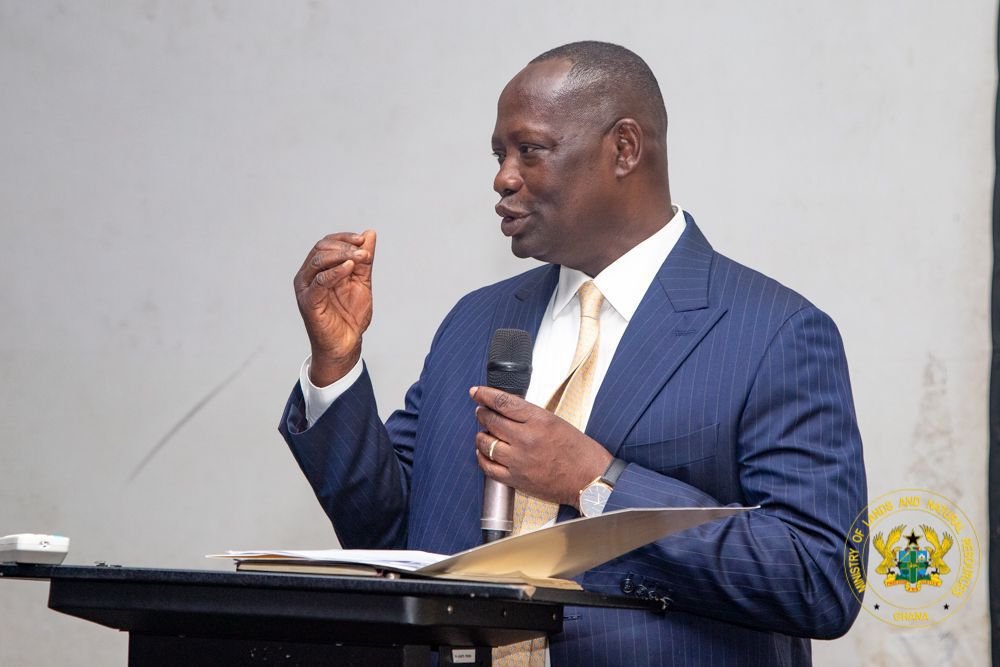
When reforestation sites are clearly demarcated and socially integrated, the risk of accidental destruction via bushfires, agricultural encroachment, or illegal mining bypass decreases significantly.
The technical focus must therefore pivot toward rigorous pre-planting land assessments, ensuring that every seedling distributed by the state is matched to an environment where it can genuinely thrive and contribute to the national canopy.
Enhancing Donor Accountability and Accounting
The final pillar of the Auditor-General’s governance framework focuses directly on financial transparency and international standard accounting practices.
To protect the integrity of the Green Ghana Project, the MLNR and the Forestry Commission are mandated to “maintain accurate and complete records of all donors” while enforcing flawless financial accounting for every donation received.
In an era where global green washing scrutiny is at an all-time high, maintaining a messy or opaque ledger of corporate contributions can completely decimate a country’s reputational capital.
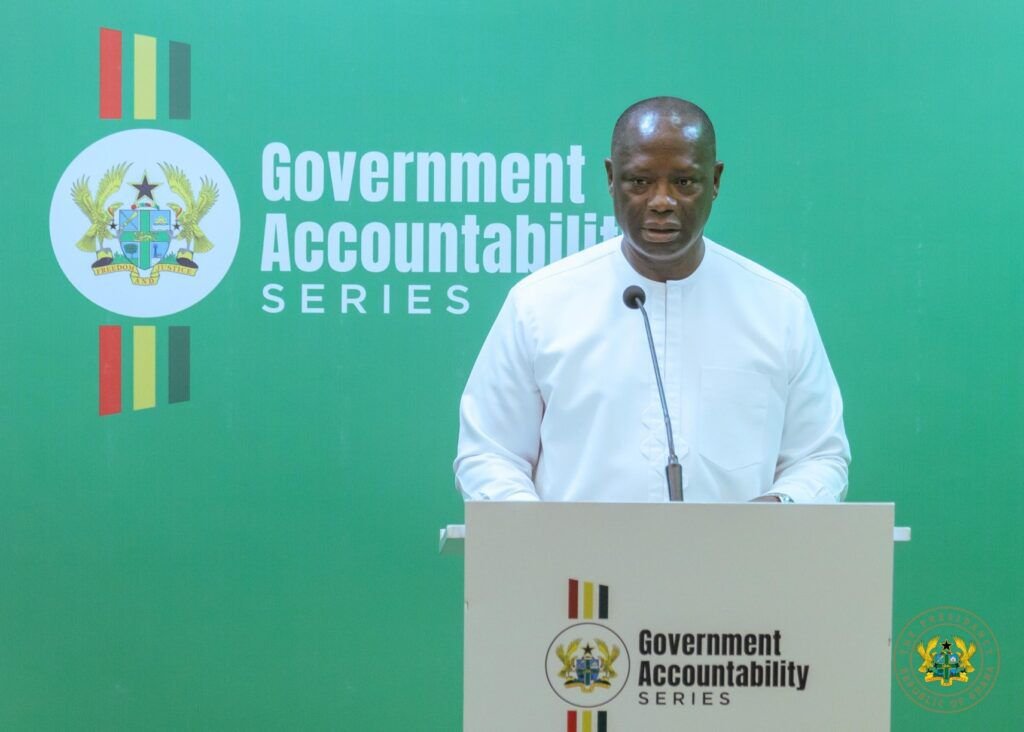
Proper donor tracking builds institutional trust, signaling to both local corporate heavyweights and international climate funds that Ghana is a secure, accountable destination for green capital.
Ultimately, tightening financial accounting protocols eliminates the risk of parallel funding streams and double-counting errors that often distort public development records.
By institutionalizing a transparent, auditable register for all GGP cash and in-kind donations, the Ministry of Lands and Natural Resources can provide citizens and parliamentarians with a clear cost-benefit analysis of the project.
As Ghana navigates its economic recovery, embedding strict fiscal discipline into environmental governance ensures that the green transition remains both ecologically impactful and economically justifiable.
READ ALSO: Disapproval Without Abandonment: Ghanaians and the NPP in 2024