Government has intensified its regulatory oversight of the mining sector by implementing a comprehensive national tracking and permitting system for heavy machinery.
This initiative, which currently monitors 1,033 excavators in real-time, is designed to curb the proliferation of illegal mining activities by ensuring that all earth-moving equipment is accounted for from the point of entry into the country.
By integrating digital surveillance with import controls, the Ministry of Lands and Natural Resources aims to eliminate the “free for all” era where unregistered machinery operated with impunity in ecologically sensitive zones.
“Before we came, it was free for all; today, before any heavy equipment is imported, it must be permitted. Once it lands, we track it.”
Hon. Armah-Kofi Buah
Under the new framework, the importation of any heavy mining equipment is strictly contingent upon obtaining a formal permit, a process that has already seen 1,800 machines registered in the last six months.
Beyond simple registration, the system utilizes geofencing technology to impose strict geographic limits on where these machines can function, triggering immediate alerts to authorities if equipment deviates from its assigned concession.
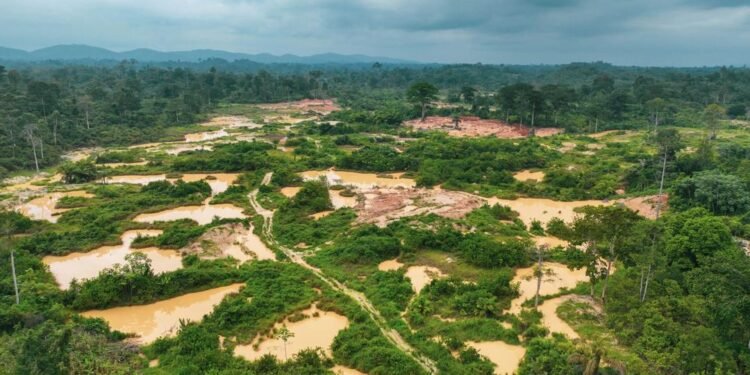
Minister for Lands and Natural Resources, Mr. Emmanuel Armah-Kofi Buah, emphasized that these measures are part of a broader “paradigm shift” that includes the revocation of L.I. 2462, effectively reinstating the ban on mining within forest reserves and water bodies to protect the nation’s “national survival.”


Digital Geofencing and the Death of “Galamsey” Mobility
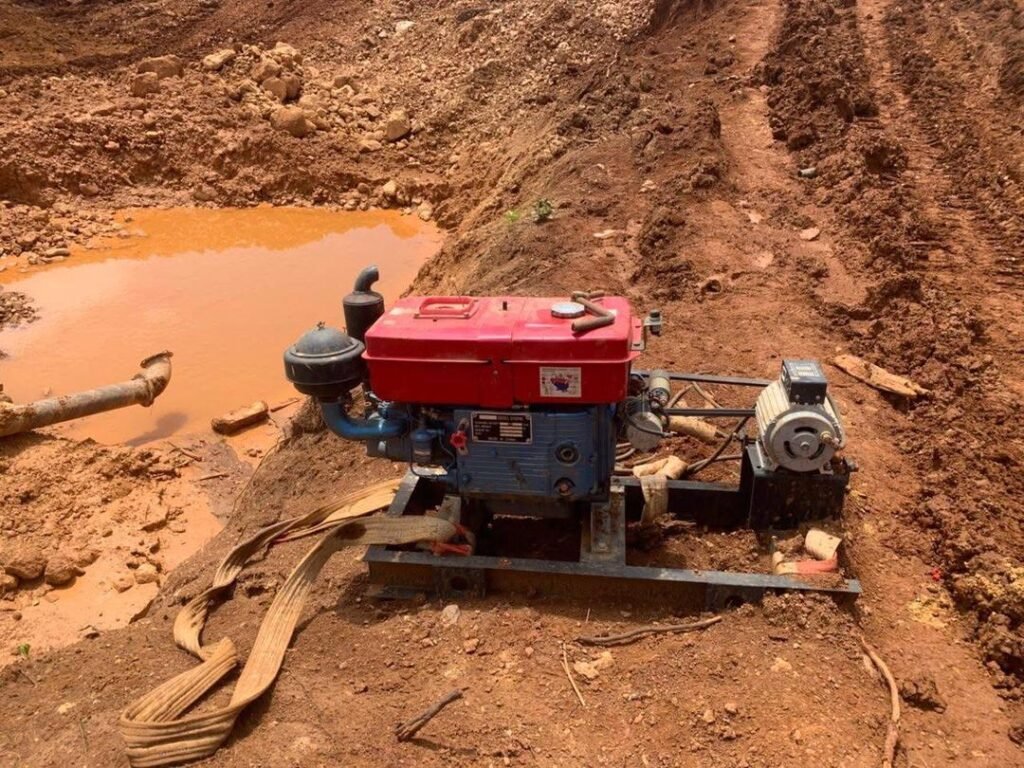

The introduction of real-time monitoring represents a strategic strike against the mobility that illegal miners, locally known as galamsey operators rely on to evade detection.
By fiting excavators with tamper-proof GPS trackers, the Minerals Commission can now “have eyes on the movement of each earth-moving and mining equipment,” ensuring they remain within legal boundaries.
If a machine registered for a site in Obuasi is detected moving toward a protected forest reserve, the system flags the breach, allowing for rapid enforcement.
This level of transparency is intended to dismantle the clandestine supply chains that previously allowed heavy machinery to “flourish, particularly in forest reserves and along major river bodies,” by holding owners directly accountable for their equipment’s location.
Restructuring Through Medium-Scale Licensing and Decentralization

To further formalize the sector, the government has introduced a new “medium-scale mining licence” category.
This addition to the existing small-scale and large-scale framework is specifically “designed to accommodate operators with higher capacity” while subjecting them to more rigorous environmental and regulatory standards than traditional artisanal miners.
By creating a legal pathway for higher-capacity operations, the Ministry seeks to “change the approach” from pure suppression to structured compliance.
This reform is bolstered by a decentralized oversight model where mining approvals will now “originate at the district level” through proposed district mining committees, ensuring that traditional authorities and local stakeholders have a direct say in the activities occurring within their communities.
Environmental Sovereignty and the Role of Local Oversight

The systemic overhaul is underscored by a firm commitment to environmental sovereignty, as evidenced by the involvement of Vice President Prof. Naana Jane Opoku-Agyemang, who described these efforts as a matter of “direct impact on life.”
The integration of local stakeholders into the permitting process ensures that “authority must start from the district,” preventing the top-down issuance of licenses that may overlook local environmental risks.
By combining high-tech tracking with grassroots vigilance, the government aims to create a “robust permit issuance and tracking mechanism” that makes illegal mining not only risky but logistically impossible.
This multi-layered enforcement strategy is expected to significantly reduce environmental damage and ensure that the extractive sector contributes to, rather than depletes, the nation’s wealth.
READ ALSO: Data Protection Commission to Sanction Non-Compliant Institutions