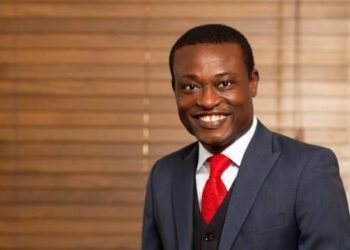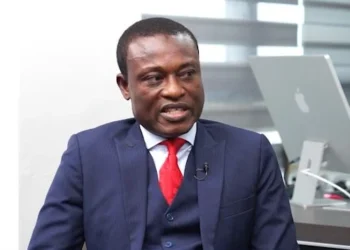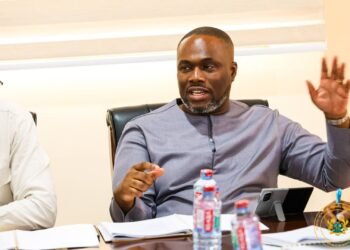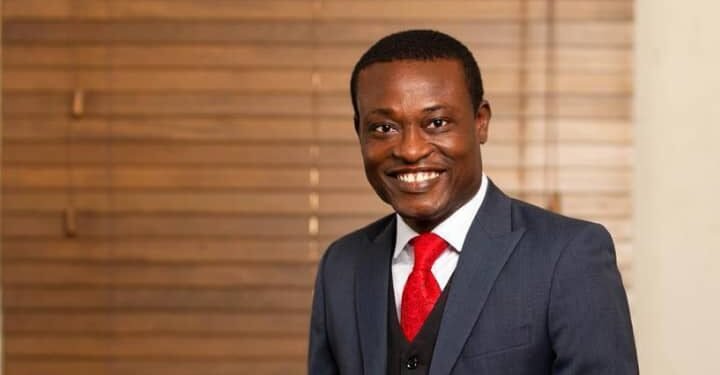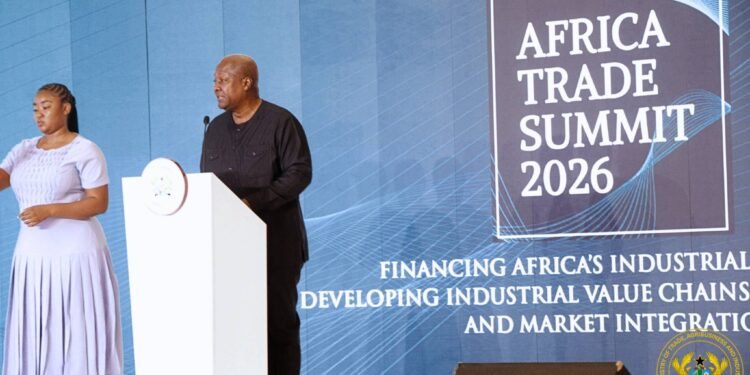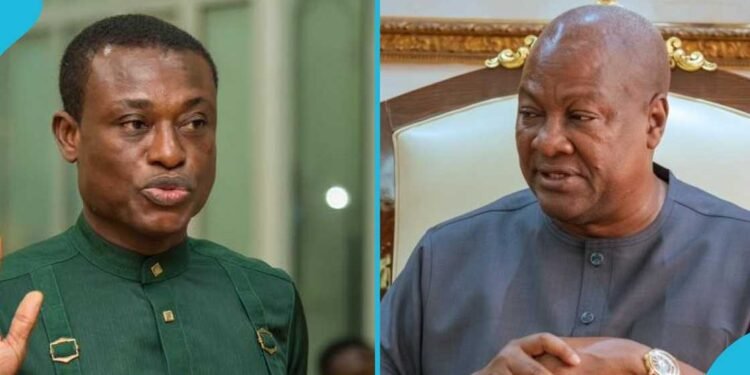
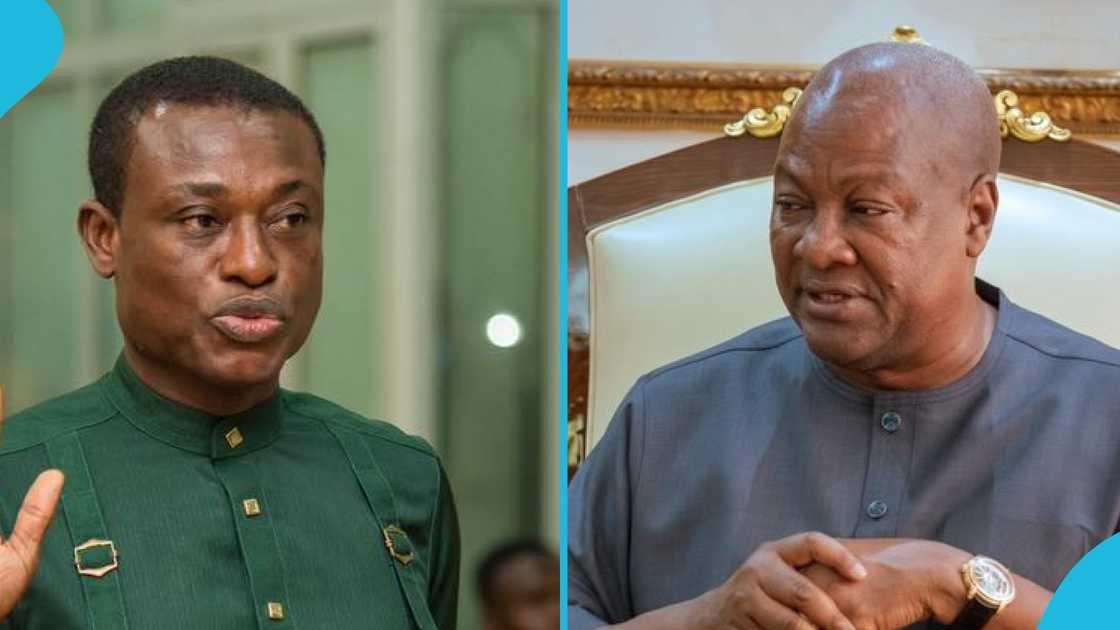
Special Prosecutor Kissi Agyebeng has praised President John Dramani Mahama for what he described as a firm and timely intervention that preserved the independence and continuity of the Office of the Special Prosecutor during a period of intense institutional pressure in the second half of 2025.
The commendation forms part of the Office’s 2025 second half year report, which reflects on what it characterises as one of the most difficult phases in the life of the anti corruption agency.
According to the report, the latter half of 2025 tested the Office of the Special Prosecutor in existential ways rarely seen since its establishment. Mr Agyebeng said the period was marked by sustained resistance from individuals and interests unsettled by the Office’s accountability mandate.
He noted that this resistance manifested in multiple forms, the most significant being the introduction of a private member’s bill in Parliament seeking to abolish the Office and transfer its mandate and prosecutorial powers to the Attorney General.
The Special Prosecutor explained that the proposed bill represented a direct threat to the institutional survival of the Office, as it aimed to reverse the foundational principles upon which it was created.
He said the bill was ultimately withdrawn after President Mahama called for its removal, a move the Office considers decisive in safeguarding Ghana’s anti corruption architecture.


“The Office highly commends the President – and the nation has His Excellency to thank – for the swift and decisive call for the withdrawal of the bill.
Special Prosecutor Kissi Agyebeng
In the report, the Special Prosecutor said the President’s intervention reaffirmed the collective wisdom captured in Ghana’s first National Anti Corruption Action Programme.

That policy framework, he noted, deliberately established the Office of the Special Prosecutor as an independent anti corruption agency, separate from the Attorney General.
The rationale, according to Mr Agyebeng, was grounded in a practical reality that the Attorney General, as a Cabinet member and chief legal adviser to government, is structurally constrained in investigating and prosecuting members of an administration to which he belongs.
Mr Agyebeng emphasised that this separation was not a matter of politics but of institutional design. He argued that independence is essential for credible anti corruption enforcement, especially in cases involving public officials and politically exposed persons.
In his assessment, the President’s call for the withdrawal of the bill underscored an appreciation of this principle and reinforced confidence in Ghana’s commitment to accountable governance.
The withdrawn bill had been accompanied by a memorandum outlining what its sponsors described as persistent operational challenges facing the Office of the Special Prosecutor.
These included allegations of duplication of prosecutorial functions between the Office and the Attorney General’s Department, institutional friction, jurisdictional overlap, administrative inefficiencies, and high operational costs relative to demonstrable impact.
Proponents of the bill argued that consolidating anti corruption prosecutorial authority under a strengthened Attorney General’s Office would improve coordination, efficiency, and the prudent use of public resources. However, the Special Prosecutor strongly challenged those assertions in the report.

He described the stated reasons for the proposed abolition as largely unsubstantiated claims that failed to withstand scrutiny. According to him, the memorandum offered bare statements that the Office had not performed as expected without clearly defining what was expected of it by December 2025.
He noted that no serious analysis was provided to explain any gap between expectations and actual delivery, nor was there a credible assessment of how the Office had allegedly drained national resources in relation to its impact. Mr Agyebeng further criticised the argument that the Attorney General would be better positioned to fight corruption if the Office were abolished.
He said the bill’s sponsors failed to demonstrate how such a consolidation would, in practical terms, enhance coordination, efficiency, or accountability in the fight against corruption. In his view, the proposal overlooked the inherent conflict risks associated with placing anti corruption prosecutions entirely under an office that is part of the executive branch.
The report frames the withdrawal of the bill as a critical moment that allowed the Office of the Special Prosecutor to continue its work without legislative uncertainty hanging over its mandate.
Mr Agyebeng said the episode highlighted the broader challenges faced by independent institutions tasked with enforcing accountability in politically sensitive environments. He stressed that certainty of punishment, rather than prolonged institutional debates, is what ultimately deters corruption.
As the Office reflects on the second half of 2025, the Special Prosecutor reaffirmed his commitment to strengthening investigations and prosecutions within the scope of the law.

He indicated that the experience has reinforced the need for sustained political backing for independent institutions, noting that such support is essential for building public trust and ensuring that accountability mechanisms function effectively.
The report concluded that the President’s intervention did more than halt a single legislative proposal. It sent a broader signal about the value Ghana places on independent oversight and the rule of law.
For the Office of the Special Prosecutor, the withdrawal of the abolition bill has become a defining episode in its institutional history, one that reaffirmed its place as a central pillar in the country’s anti corruption framework.
READ ALSO: BoG Sets GH¢100 Million Microfinance Capital Threshold