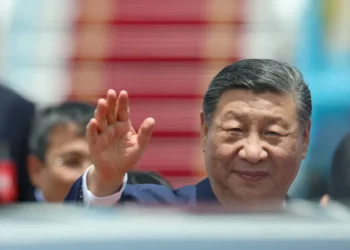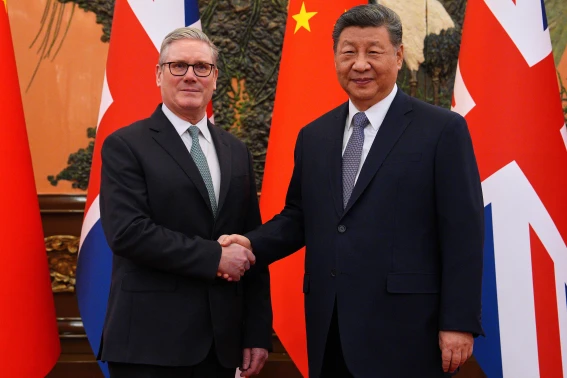
UK Prime Minister, Keir Starmer has urged for deeper ties with China as he met with Chinese President Xi Jinping in Beijing.
Starmer is in China for three days and is accompanied by a delegation representing nearly 50 UK businesses and cultural organisations, including HSBC, British Airways, AstraZeneca and GSK.
Starmer’s trip to China is the first of its kind by a British leader in eight years. The last trip by a UK Prime Minister was in 2018, when Theresa May visited Beijing.
Starmer said before his trip that doing business with China was the pragmatic choice and it was time for a “mature” relationship with the world’s second-largest economy.
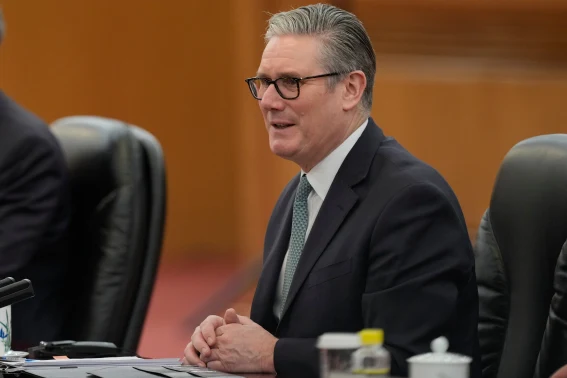
Starmer said in his meeting with Xi, “I have long been clear that the UK and China need a long-term, consistent and comprehensive strategic partnership.”
During their meeting, Starmer told Xi that he hopes the two leaders can “identify opportunities to collaborate, but also allow a meaningful dialogue on areas where we disagree.”


“I think that working together on issues like climate change, global stability during challenging times for the world is precisely what we should be doing as we build this relationship in the way that I’ve described.”
Keir Starmer
On his part, Xi acknowledged that China-UK relations have experienced setbacks in previous years, “which was not in the interests of either country.”
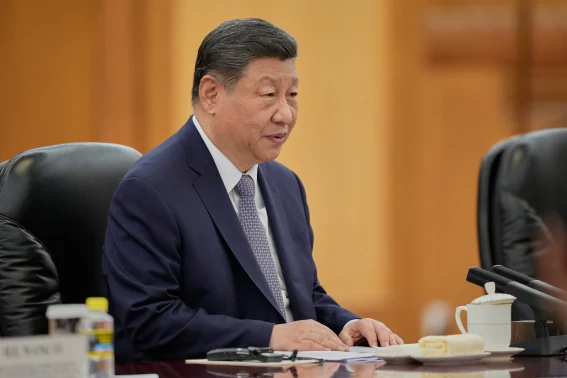
He stressed the need for more “dialogue and cooperation” to maintain world peace and stability amid a “complex and intertwined” international situation.
Relations between the UK and China have deteriorated over allegations of Chinese spying in Great Britain, China’s support for Russia in the Ukraine war, and the crackdown on freedoms in Hong Kong, a former British colony, following months of antigovernment protests in 2019.
London has also criticised the prosecution in Hong Kong of the pro-democracy media tycoon Jimmy Lai, who is also a British citizen, on national security charges.
Starmer is seeking to deepen ties with Xi despite criticism at home around China’s human rights record and its status as a potential national security threat.
Xi also appeared to acknowledge the criticism that Starmer has faced for reaching out to China despite national security and human rights concerns. The UK recently approved controversial plans for a huge Chinese Embassy in London, removing a sticking point in relations but also overriding fears that the “mega-embassy” would make it easier for China to conduct espionage and intimidate dissidents.
“Good things often come with difficulties. As long as it is the right thing to do in accordance with the fundamental interests of the country and its people, leaders will not shy away from difficulties and will forge ahead bravely.”
Xi Jinping
Starmer has said that he would protect national security while keeping up diplomatic dialogue and economic cooperation with China.
He told Xi that it has “been far too long” since a UK Prime Minister visited. “I made a promise 18 months ago when we were elected into government, that I would make Britain face outward again,” Starmer said.
“Because as we all know, events abroad affect everything that happens back in our home countries, from prices on the supermarket shelves to how secure we feel.”
Keir Starmer
Besides business dealings, Starmer and Xi are also expected to announce further cooperation in the area of law enforcement to reduce the trafficking of undocumented immigrants into the UK by criminal gangs.
Starmer To Meet China’s Premier
The meeting between the two leaders in Beijing’s Great Hall of the People was to be followed by another meeting between Starmer and Chinese Premier Li Qiang later in the day. He will head next to Shanghai to conclude his three-day visit to China.
Earlier today, the UK leader met Zhao Leji, the Chairman of China’s legislature, the National People’s Congress. The two countries were expected to sign a number of agreements later in the day.
China was the UK’s fourth-largest trading partner in 2025, with bilateral trade worth $137bn, according to UK government data.
Starmer’s trip to China comes as both Beijing and London’s relationship with the United States is under strain from President Donald Trump’s tariff war.
Trump’s recent threats to annex Greenland have also raised alarm among NATO members, including the UK.
The disruption to global trade under Trump has made expanding trade and investment more imperative for many governments.
Starmer is the fourth leader of a US ally to visit Beijing this month, following those of South Korea, Canada and Finland. The German Chancellor is expected to visit next month.
READ ALSO: Lawmakers Demand Noem’s Exit Amid Minneapolis Killings