Ghana Gold Board (GoldBod) has entered into a strategic partnership with the Ghana Geological Survey Authority (GGSA) to undertake comprehensive geological investigations across three critical mineralized zones in Funsi, Atuna, and Bensere East.
This collaborative effort, designated as Phase 1 of a broader national initiative, represents a pivotal shift by GoldBod toward anchoring the nation’s extractive sector in scientific precision and data-driven decision-making.
By identifying the exact characteristics and boundaries of these deposits, the board aims to transition away from the speculative and often destructive methods that have historically plagued small-scale mining in these regions.
This four-month technical assignment, valued at GHS 27.5 million, is specifically engineered to provide the foundational data required to transition these “blocked-out” areas into modern, state-managed model mines.
“The project is aimed at generating credible geological data for the establishment of model mines in the country. This is a major step by the GoldBod towards supporting responsible and data-driven mining in Ghana. Through initiatives like this, the GoldBod continues to work towards promoting sustainability, while maximizing national gold output for the benefit of Ghanaians.”
Ghana Gold Board (GoldBod)
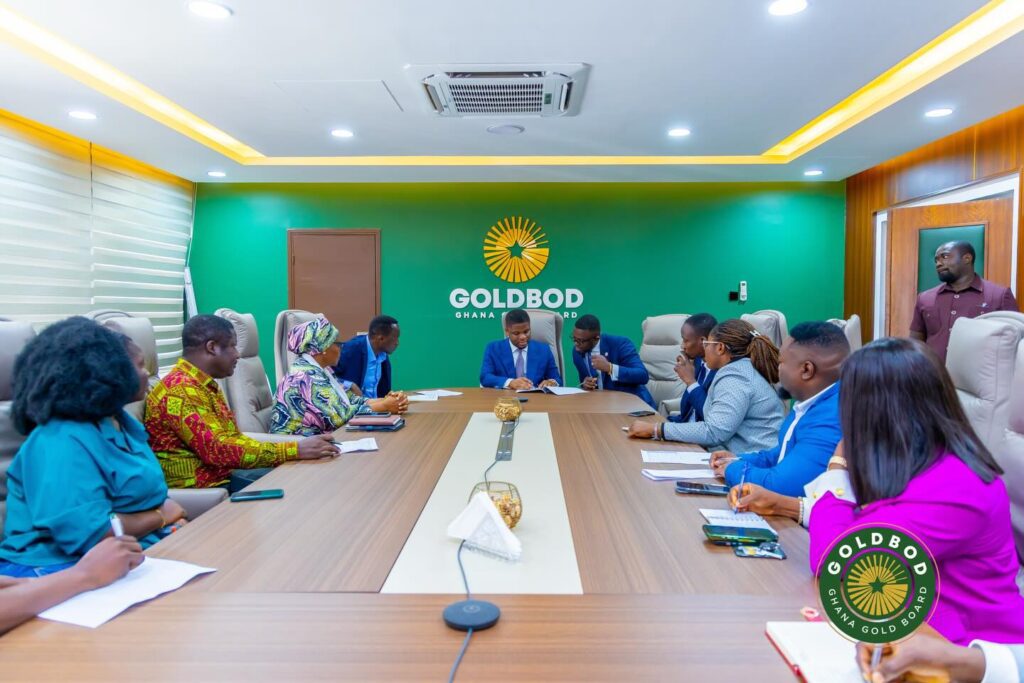
These three locations are among 20 priority areas recently handed over to GoldBod by the Minerals Commission of Ghana, signaling a structured effort to formalize the artisanal and small-scale mining (ASM) sector.
Through this multi-million-cedi investment, the GGSA will deploy advanced geological mapping and sampling techniques to ensure that future extraction is not only profitable but also environmentally sound.
The initiative underscores a commitment to maximizing Ghana’s gold output while ensuring the socio-economic benefits are felt directly by the citizens in the host communities.
Enhancing Sustainability Through Geological Precision

The integration of the GGSA’s technical expertise into GoldBod’s operational framework is a game-changer for environmental conservation in the Savannah and Bono regions.
Historically, a lack of “credible geological data” forced miners to engage in trial-and-error excavation, which led to the unnecessary clearing of vast hectares of land and the silting of water bodies.
By utilizing these new geological investigations, Ghana Gold Board can now provide miners with “mineralized blocked-out areas” where the gold concentration is scientifically verified.
This targeted approach eliminates the “blind digging” phenomenon, effectively reducing the ecological footprint of mining activities and ensuring that only land with viable commercial potential is disturbed.
Economic Transformation and Model Mine Frameworks

Economically, the GHS 27.5 million agreement serves as a catalyst for a more robust national gold reserve the country targets.
By establishing “model mines” based on the data generated during this four-month period, GoldBod is creating a blueprint for high-efficiency extraction that adheres to international best practices.
These model mines are expected to serve as centers of excellence, where local miners can be trained in modern recovery methods that maximize yield without the use of toxic chemicals like mercury.
Furthermore, the formalization of these 20 areas released by the Minerals Commission will streamline the gold supply chain, ensuring that more “national gold output” is captured within the formal economy, thereby strengthening the Cedi and increasing royalty revenues.
Data-Driven Governance in the Extractive Sector

This partnership sets a new standard for inter-agency cooperation within Ghana’s extractive industry.
By relying on the GGSA to lead the “geological investigation services,” GoldBod is emphasizing a “data-driven mining” philosophy that prioritizes long-term stability over short-term gains.
This scientific transparency is essential for attracting ethical investors who require detailed mineral resource estimates before committing capital.
As these investigations progress in Funsi, Atuna, and Bensere East, the resulting data will empower the government to implement more precise regulatory oversight, ensuring that the wealth beneath the soil is managed with the “sustainability” and “responsibility” that the modern Ghanaian economy demands.
READ ALSO: NIA Announces Temporary Recruitment for Nationwide Child Registration Exercise