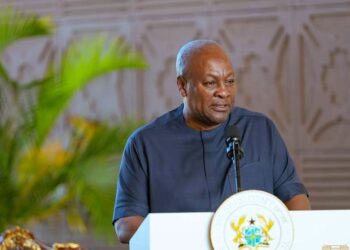
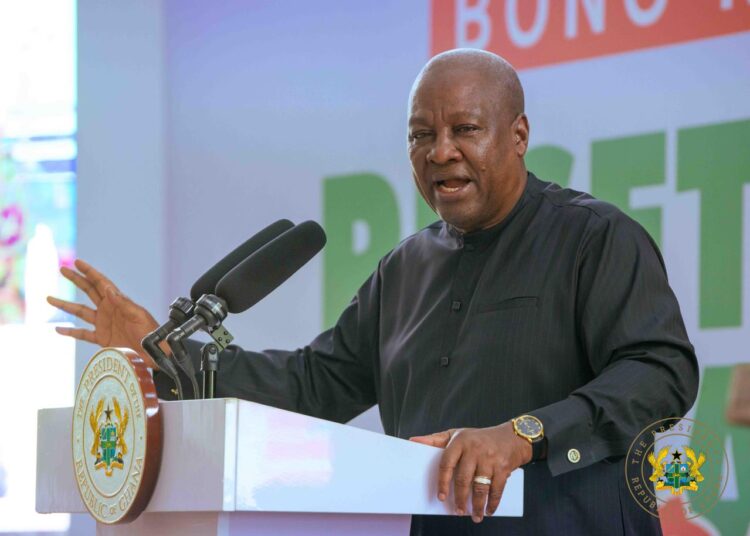
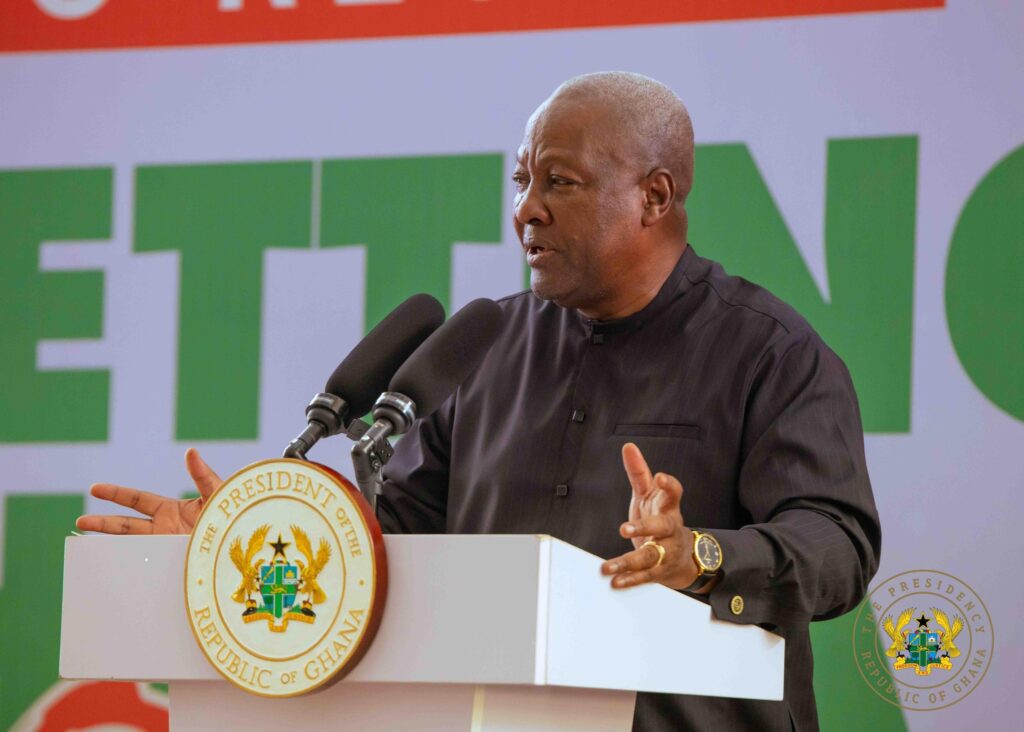
President John Dramani Mahama has announced that the government has secured financial clearance to begin a new phase of teacher recruitment, marking a shift toward a more structured and consistent employment strategy in Ghana’s education sector.
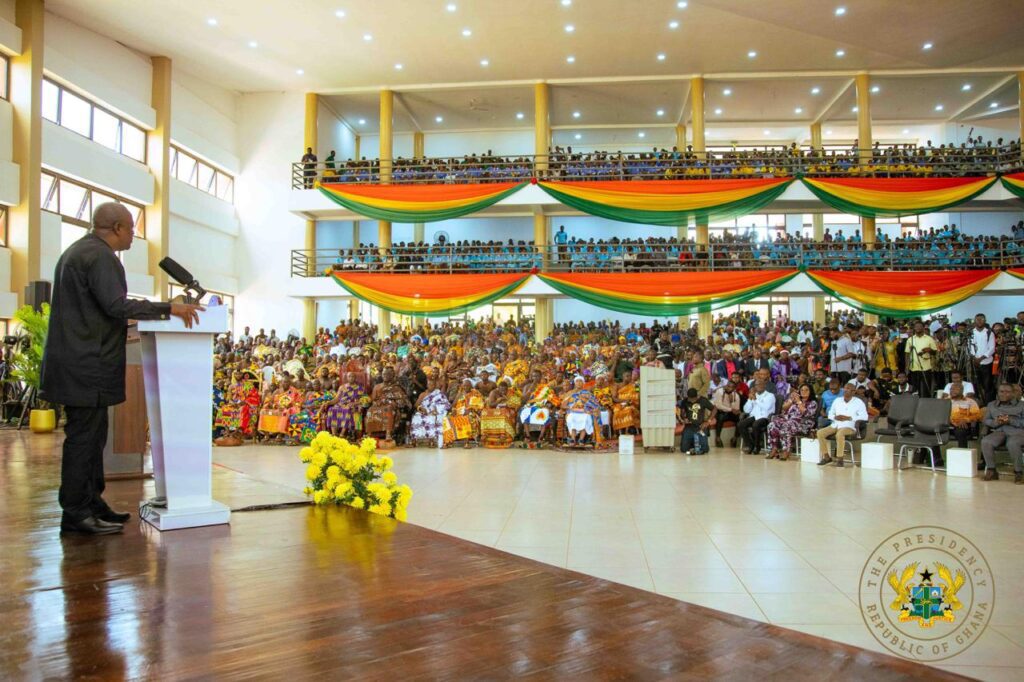
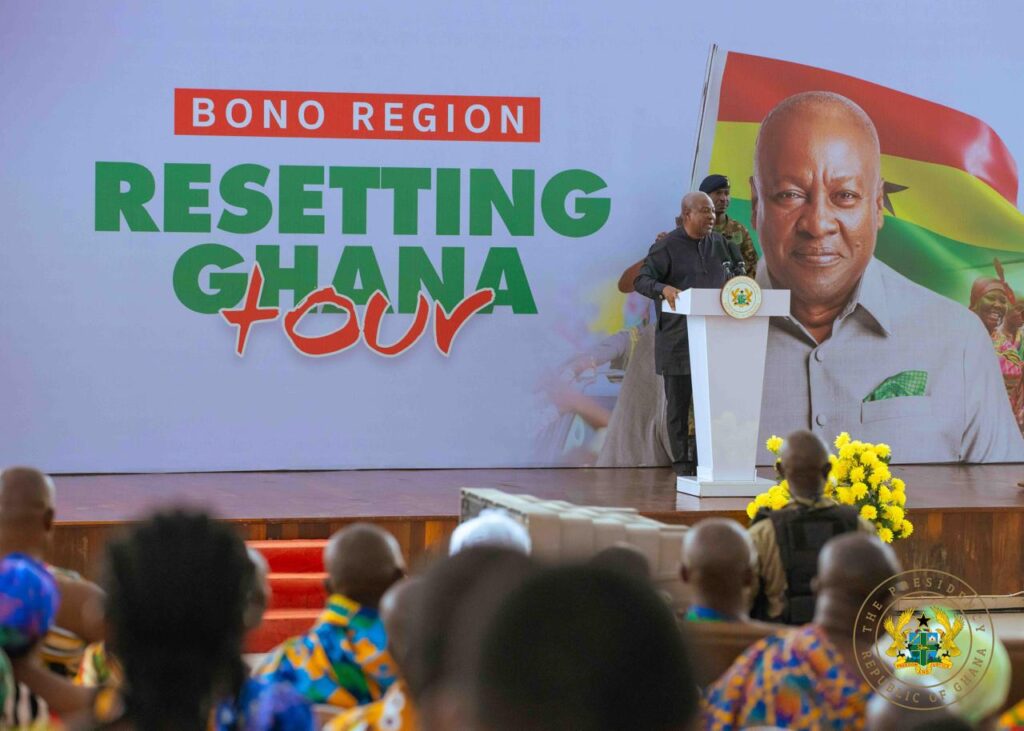
The announcement was made during his ongoing Resetting Ghana Tour in the Bono Region, where he addressed concerns about unemployment and staffing gaps in public services.
According to the President, the Ministry of Finance, led by Dr Cassiel Ato Forson, has approved the necessary funding to support the recruitment process. He emphasized that the initiative is part of a broader effort to stabilize public sector hiring while addressing long standing challenges in education and healthcare.
“The Finance Ministry has given financial clearance for teachers recruitment and it will soon commence,” he stated, adding that the government is committed to ensuring a predictable and sustained hiring process.
Shift from Election Year Recruitment Practices
President Mahama used the platform to outline a departure from previous recruitment patterns, which he said were often concentrated around election cycles. He noted that such approaches created inconsistencies, leaving many qualified graduates unemployed in non election years.
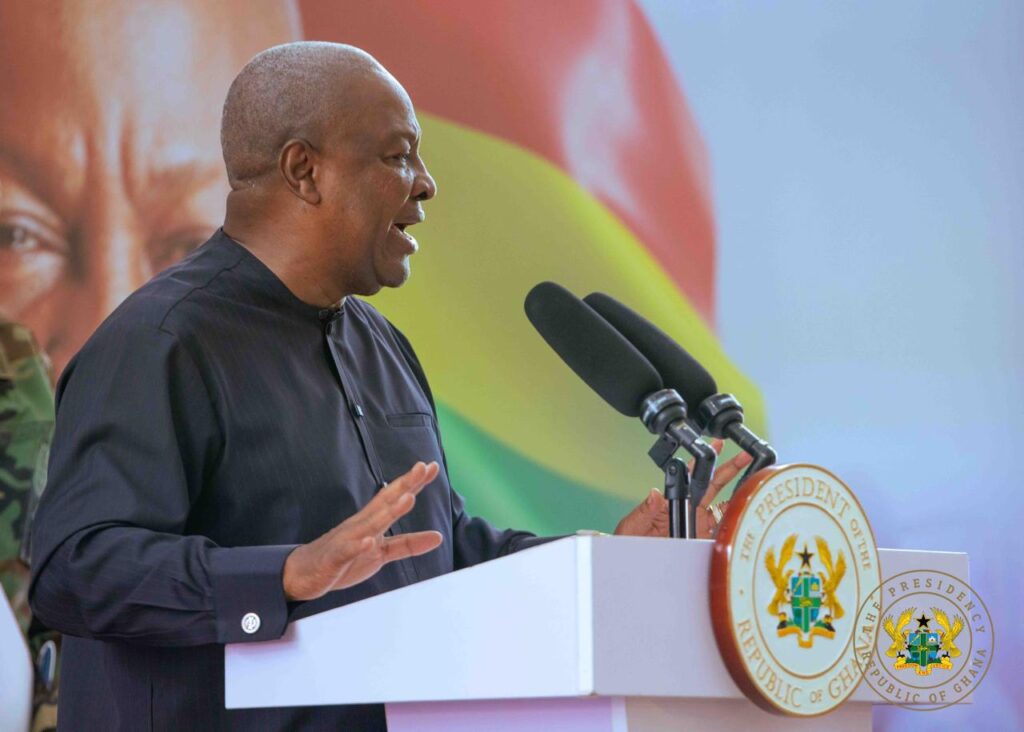
“This year we will not do the recruitment the way it was done previously, where it was mostly carried out during election periods and then halted afterwards,” he explained. Instead, the government plans to implement a continuous recruitment model over the next several years.
Under the new framework, recruitment exercises will be conducted annually from 2025 through 2028. The President indicated that the process will begin with the intake for 2025, followed by subsequent recruitment rounds for 2026, 2027, and 2028.
This structured approach is expected to provide a steady pipeline of employment opportunities for trained graduates while ensuring that schools receive consistent staffing support.
Expanding Opportunities Beyond Teaching
While the primary focus of the announcement was on teachers, President Mahama clarified that the recruitment drive would also extend to other critical sectors. Nurses and midwives are expected to be included in the exercise, reflecting the government’s broader commitment to strengthening public service delivery.
By integrating multiple sectors into the recruitment plan, the government aims to address workforce shortages in both education and healthcare simultaneously. This approach also aligns with efforts to reduce graduate unemployment, which remains a significant concern across the country.
The President expressed optimism that by the end of the recruitment cycle in 2028, a substantial number of trained professionals would have been absorbed into the public sector.
The announcement comes amid growing concerns about teacher shortages in Ghana’s education system, particularly in rural and underserved communities. Limited staffing has affected the quality of teaching and learning in several districts, with some schools operating with minimal personnel.
Earlier indications from the Ministry of Education suggest that between 6,000 and 10,000 teachers could be recruited in the initial phase of the program. There have also been broader projections targeting up to 50,000 teachers and 10,000 non teaching staff, with a focus on graduates from recent academic years.
Education stakeholders have consistently highlighted the need for sustained recruitment to address gaps in classroom instruction and reduce high teacher pupil ratios. The new policy direction appears to respond directly to these concerns by prioritizing continuity and scale.
Stakeholder Concerns and Policy Context
Organizations such as Africa Education Watch have previously raised alarms about the extent of teacher shortages across the country. The group’s Executive Director, Kofi Asare, has noted that some districts are experiencing critical staffing deficits that require urgent intervention.
These concerns have reinforced calls for a more predictable recruitment system that aligns with the needs of the education sector. By committing to annual hiring cycles, the government seeks to create a more responsive framework capable of addressing both immediate and long term challenges.
The policy also reflects a broader effort to align employment strategies with national development priorities, ensuring that investments in education translate into improved learning outcomes.
The teacher recruitment initiative forms part of the government’s wider Resetting Ghana agenda, which aims to enhance transparency, accountability, and service delivery across all sectors.
The nationwide tour has provided a platform for engaging citizens, assessing development projects, and communicating policy directions. President Mahama reiterated that the recruitment plan is not only about job creation but also about strengthening institutional capacity.
By ensuring that schools and healthcare facilities are adequately staffed, the government aims to improve the overall quality of public services. He stressed that the success of the initiative will depend on effective implementation and sustained commitment over the coming years.
Outlook for Education and Employment
The introduction of a multi year recruitment framework represents a significant policy shift with potential long term implications for Ghana’s education system. If implemented as planned, the initiative could help reduce unemployment among trained graduates while addressing critical gaps in public sector staffing.
For many aspiring teachers and healthcare professionals, the announcement offers renewed hope for employment opportunities and career progression. At the same time, it places expectations on the government to deliver on its commitments and ensure that recruitment processes remain transparent and efficient.
As the first phase of recruitment prepares to commence, attention will focus on how effectively the policy translates into tangible outcomes for both workers and the communities they serve.
READ ALSO: BoG Reinvests $1.5B Gold Sale into Cash Reserves – GoldBod CEO Hits Back