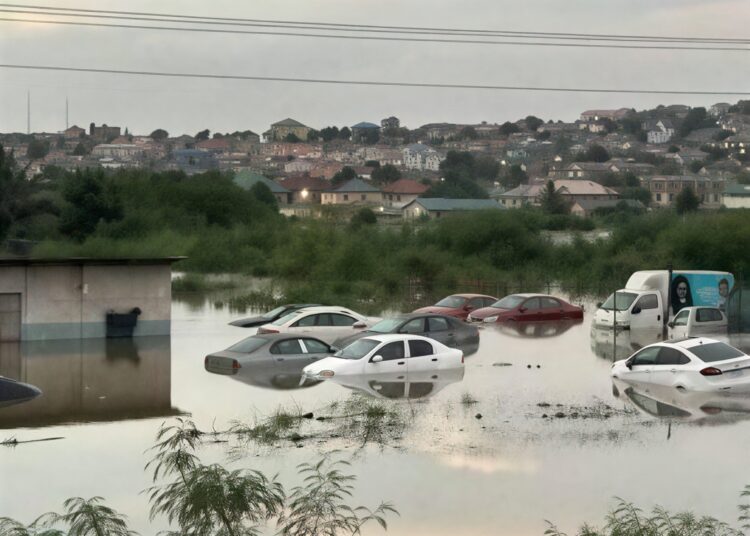
The Roads Engineer with the Ga East Municipal Assembly, Daniel Okyere, has attributed recurring floods in parts of Accra to unchecked urban development that has altered the city’s natural drainage patterns. He explained that the destruction of vegetation and the loss of critical water retention areas have accelerated the movement of stormwater into residential communities.
Speaking after heavy rains triggered flooding in areas such as Adenta, Pantang and Akobobi, Mr Okyere said several natural systems that once slowed runoff have disappeared. He noted that the situation has increased pressure on drainage infrastructure across the capital.
Mr Okyere explained that many hills around Accra were previously covered with vegetation that reduced the speed of water flowing downhill. Consequently, rainwater reached lower communities gradually and reduced the likelihood of sudden flooding.
However, he stated that extensive construction activities have changed the natural landscape over the years. As a result, water now travels much faster from elevated areas into urban settlements.
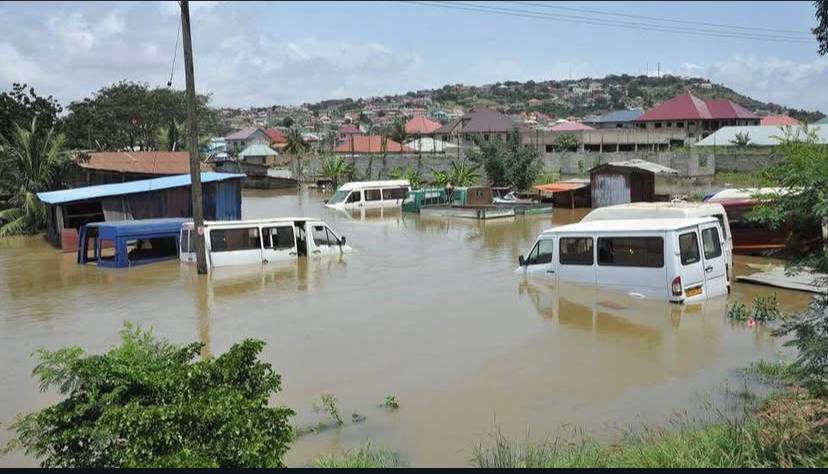
“Initially, those hills were green and covered with foliage. When rainfall occurred, the vegetation slowed the runoff and reduced the speed at which water entered the city. Today, human activities have altered that process significantly.”
Daniel Okyere
The Roads Engineer further identified the disappearance of retention ponds as a major factor behind recurring floods. He explained that many of these areas have been filled and converted into residential and commercial developments.
According to him, retention ponds previously served as temporary storage points for excess rainwater during storms. Their removal has reduced the city’s ability to absorb and manage large volumes of water.
Mr Okyere, moreover indicated that wetlands which once acted as natural buffers have also been encroached upon. He added that these developments have limited the environment’s capacity to contain stormwater before it reaches drainage channels.
The engineer warned that flooding would continue to affect vulnerable communities if the trend persists. He therefore called for stronger enforcement of planning regulations and the protection of remaining retention areas.
He stressed that sustainable urban planning is an essential to reducing the impact of future floods. Furthermore, he urged authorities and residents to support efforts aimed at preserving natural drainage systems throughout the city.
Engineers Call For New Flood Strategy As Drainage Systems Face Pressure
The President of the Ghana Institution of Engineers, Ing. Ludwig Annang Hesse, also urged authorities to adopt a new approach to flood management as Accra faces worsening annual floods. He argued that decades of poor planning and environmental degradation have weakened the city’s natural flood control systems.
Ing. Hesse said flooding has become a predictable occurrence across the capital. He noted that residents now expect flooding whenever heavy rainfall occurs.
The engineering expert explained that natural water retention areas that once absorbed large volumes of rainwater have largely disappeared. Consequently, water now reaches urban communities at a much faster rate than in previous decades.
Ing. Hesse stated that development activities have expanded into locations that historically served as floodwater collection zones. He added that the loss of these areas has increased pressure on drainage infrastructure.

“We used to experience floods once in a while. Today, we know with certainty that Accra will flood every year because many of the natural systems that managed stormwater have been compromised.”
Ing. Ludwig Anang Hesse
The GhIE President also criticised the indiscriminate disposal of waste into drains and waterways. He said accumulated rubbish, plastic waste and silt continue to obstruct the free flow of water during rainfall events.
He further expressed concern about the reclamation and development of areas such as Sakumono, Teshie and Korle. According to him, continued encroachment on these locations could worsen future flood risks.
Ing. Hesse argued that successive interventions have focused heavily on expanding drains without addressing the root causes of flooding. He explained that drainage projects alone cannot solve the challenge when natural retention systems have been destroyed.
The engineer therefore advocated what he described as an upstream approach to flood management. He suggested retaining rainwater closer to where it falls and releasing it gradually after peak flooding periods.
“The only viable option left is to retain more rainwater upstream before it enters the major drainage channels. That approach offers a practical long term pathway for reducing flood risks across the city.”
Ing. Ludwig Anang Hesse
He concluded that effective flood management would require coordinated action from government agencies, local authorities and residents. He added that long term solutions must combine environmental protection, proper planning and responsible waste management.
READ ALSO: Kofi Kinaata Drops Energetic New Anthem for Black Stars World Cup Campaign