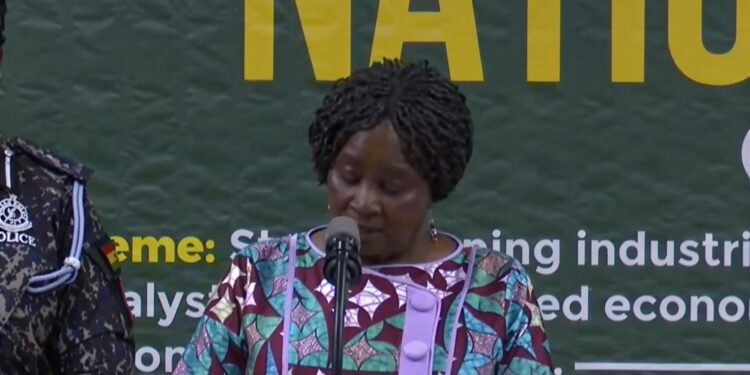
The Vice President, Her Excellency Jane Naana Opoku-Agyemang has called for stronger national attention toward workers in Ghana’s informal sector, stressing that labour discourse must extend beyond formal institutions. She indicated that meaningful economic planning must include vulnerable groups whose contributions often remain underrepresented.
Her Excellency noted that national labour conversations frequently centre on workers within the formal sector while overlooking the majority of the workforce. The Vice President cited figures from the International Labour Organization showing that 78 percent of Ghana’s workers operate within the informal economy.
Discussing the economic structure, she stated that the informal sector includes a significant number of the urban poor and many women. She emphasised that these groups deserve equal policy attention and stronger labour protections.
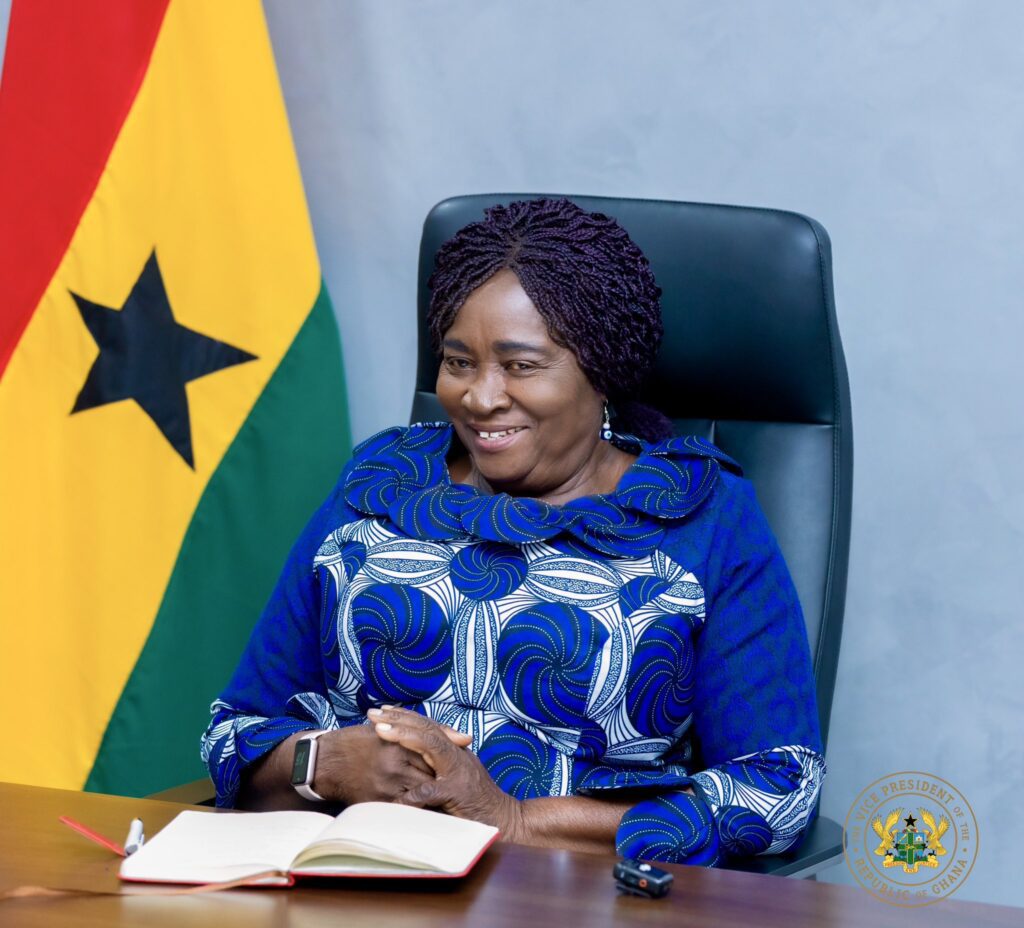
The Vice President questioned whether current labour systems adequately protect such workers. She noted that issues surrounding labour rights, collective action and workplace protection remain critical for informal workers.
“Seventy eight percent of our workers are in the informal sector and they deserve representation in national conversations. Many among them are women and urban poor workers whose voices are rarely heard in labour discourse. We must bring them into the centre of our planning and strategy. Their welfare is inseparable from Ghana’s economic future.”
Her Excellency Jane Naana Opoku-Agyemang
She stressed on the need for a renewed social contract among government, employers and workers. Her Excellency explained that labour harmony is a necessary tool for sustaining national development.
Furthermore, she linked workplace stability to economic resilience. She observed that Ghana, like many economies, has endured difficult periods shaped by global and geopolitical pressures.
The Vice President noted that recent policy decisions, though difficult, have started producing measurable results. She stressed that sustaining economic progress now requires collective commitment from all stakeholders.
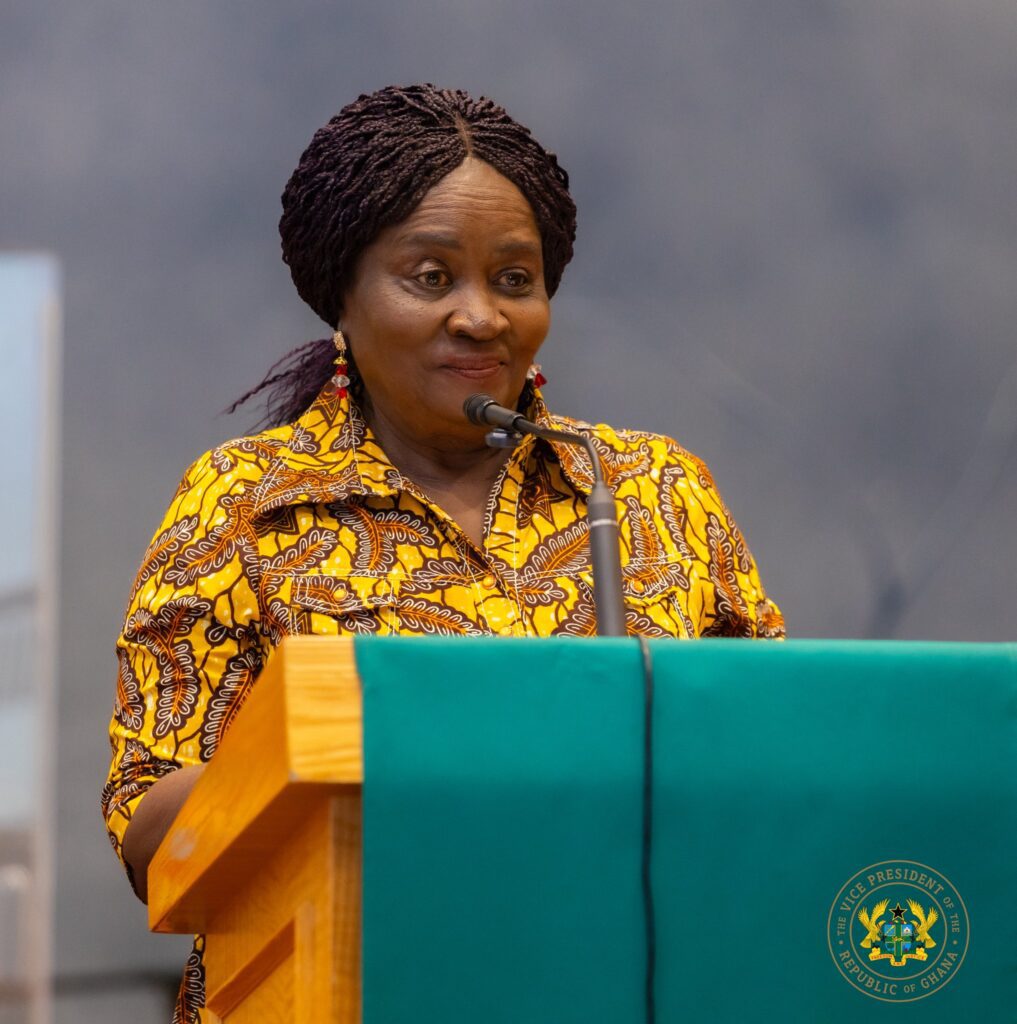
In a broader appeal, she urged labour leaders and employers to engage in forward looking dialogue. She remarked that inclusive cooperation is important in strengthening economic recovery and long term productivity.
Her Excellency encouraged institutions to ensure that labour reforms respond to evolving economic realities. She emphasised that workers across every sector deserve recognition, dignity and opportunity within Ghana’s development agenda.
Government Outlines Compensation Reforms And Pushes 24 Hour Economy Strategy
The Vice President focused on compensation reform, pension protection and economic transformation as government outlined key interventions aimed at strengthening labour stability. She stated that preserving recent economic gains requires disciplined reforms across public sector structures.
Addressing wage governance, the Vice President noted that disparities in public sector emoluments have placed considerable strain on the economy. She explained that labour agitations and fragmented salary structures continue to challenge fiscal management.
She referenced the Single Spine Salary Structure as an important reform that initially promoted equal pay for equal work. The Vice President acknowledged that while the framework delivered progress, market realities have placed increasing pressure on the system.
She said the proposed Independent Emoluments Commission will help stabilise compensation and improve institutional consistency. The intervention, she explained, is intended to promote industrial harmony while strengthening fiscal discipline.
“The current compensation system requires structural reform to ensure fairness and long term stability. Responsible fiscal management calls for measured interventions that protect industrial peace. These reforms will create space for a stronger emoluments framework.”
Her Excellency Jane Naana Opoku-Agyemang
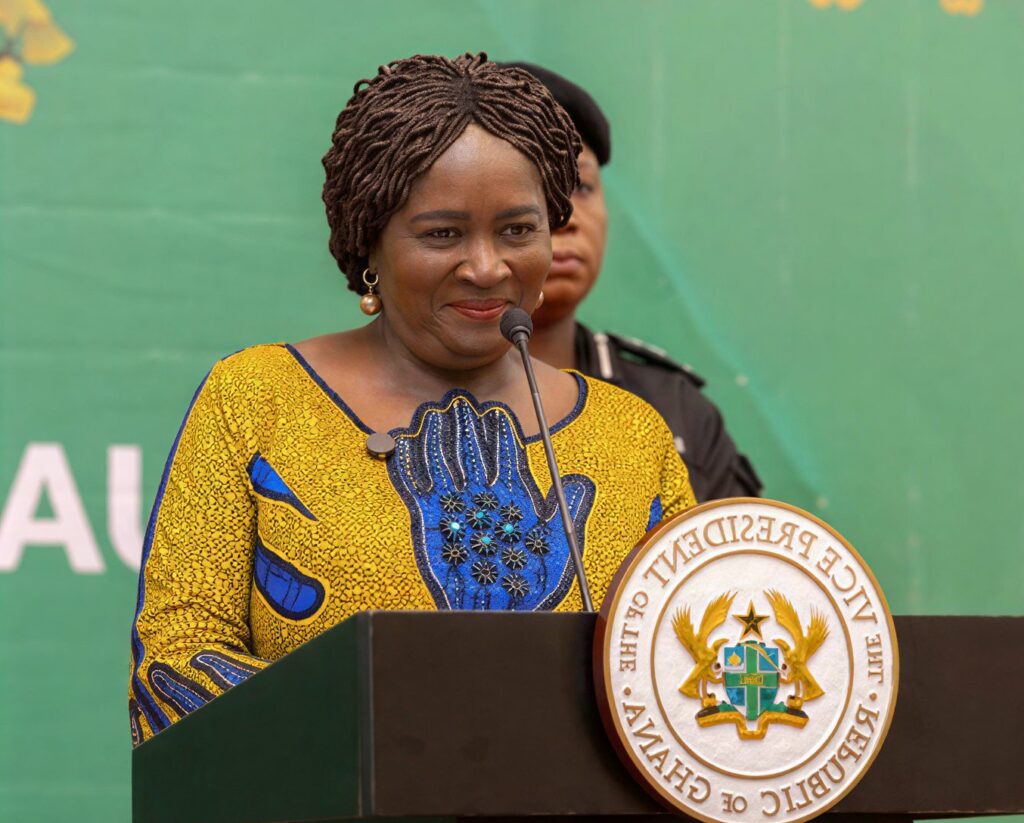
Moreover, Her Excellency announced that 2026 will not be a period for major renegotiation of public sector conditions of service. Instead, government will introduce modest targeted improvements in selected allowances as transitional relief.
She described pensions as fundamental to worker dignity after retirement. The Vice President stressed that protecting pension assets remains a critical national obligation.
She reaffirmed government’s commitment to safeguarding the integrity of the Social Security and National Insurance Trust and other pension schemes. She added that retirement security remains essential for sustaining worker confidence.
The conversation then moved to economic expansion through the proposed 24 hour economy policy. Her Excellency explained that the initiative aims to maximise national productivity by encouraging three shift operations across offices, factories and service sectors.
“The future of work requires flexibility, innovation and stronger social protection. A twenty four hour economy can unlock productivity and expand opportunities across sectors. Success will depend on cooperation among employers, labour and government.”
Her Excellency Jane Naana Opoku-Agyemang
The Vice President added that government is expanding access to reliable energy, public transport, security and lighting to support the transition. She underscored that labour laws must also evolve to protect workers within emerging work models and sustain economic transformation.
READ ALSO: Workers Must Adapt To Sustain Progress — Togbe Afede XIV