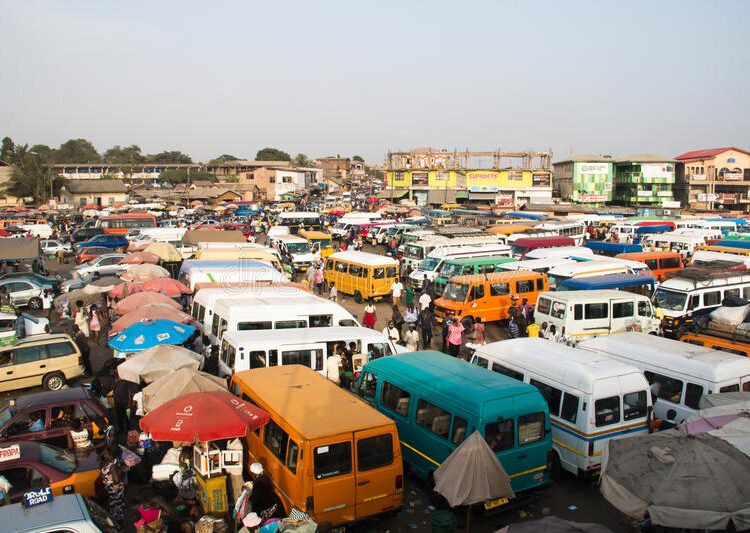
The General Secretary of the Ghana Private Road Transport Union, Godfred Abulbire, has disclosed that growing frustration among commercial drivers is putting pressure on the union to pursue urgent engagement with government over transport fares. Mr Abulbire explained that the agitation is becoming difficult to contain because drivers feel their difficulties are not receiving sufficient attention despite rising operating costs.
Speaking about the situation, he clarified that the union’s latest communication to the Ministry of Transport should not be interpreted as a threat to increase fares outside the approved process. Rather, the submission seeks to trigger the established negotiations between transport operators and government so that the financial difficulties confronting drivers can be addressed.
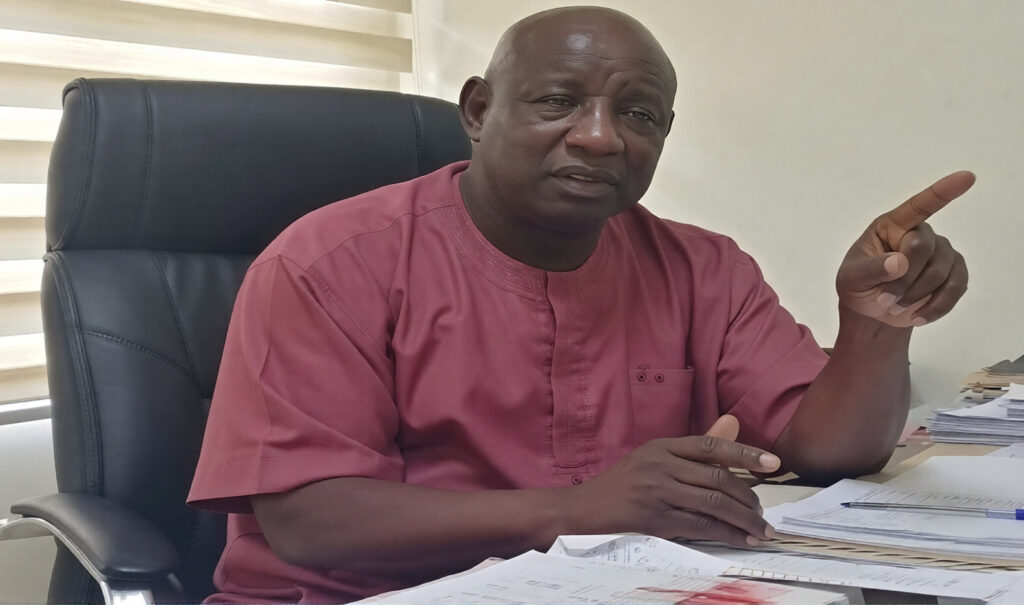
Referencing developments in the transport sector, the General Secretary noted that diesel prices have moved through several levels since the current administration took office, creating different pressures on operators at various stages. He recalled that when fuel prices fell significantly, the unions responded to government’s request by reducing public transport fares by 15 percent.
This reduction, however, has become an important part of the union’s current argument as fuel prices have risen again. Mr Abulbire revealed that the union’s immediate position includes restoring the 15 percent reduction previously granted to commuters if a broader adjustment cannot be secured.
Directing attention to the experience of drivers, he indicated that the issue has moved beyond a simple calculation of fuel prices because operators must continue meeting their daily expenses while maintaining their vehicles. The pressure has therefore created frustration at the grassroots level, with drivers increasingly expecting their leadership to demonstrate that their livelihoods remain a priority.
“The serious pressure and agitation out there now by our drivers looks like we are not actually working to their interest.”
Godfred Abulbire
Moreover, the General Secretary explained that the union could not allow the situation to continue without formal engagement because prolonged silence could weaken confidence among its members across the country. He stressed that the leadership therefore considered it necessary to approach the ministry and begin discussions before the frustration developed into wider difficulties within the transport sector.
The union’s position also follows a recent joint submission by the GPRTU and the Ghana Road Transport Coordinating Council requesting a review of public transport fares under the established Administrative Instrument. The two bodies have urged drivers, station masters and vehicle owners to remain calm while the formal engagement with government proceeds.
Fare Reviews Must Follow Lawful Process
The General Secretary of the Ghana Private Road Transport Union, Godfred Abulbire also emphasised the need for transport operators to follow the legally established procedure before implementing any changes to public transport fares. Mr Abulbire explained that the union’s engagement with government has become particularly important because drivers cannot independently alter approved fares without risking sanctions under the regulatory framework.
On the matter, the General Secretary disclosed that a new legal requirement has strengthened the process governing fare adjustments, making consultations between the Ministry of Transport and recognised transport operators central to any legitimate review. He therefore cautioned that individual drivers or groups cannot simply announce new fares because operating conditions have become difficult.
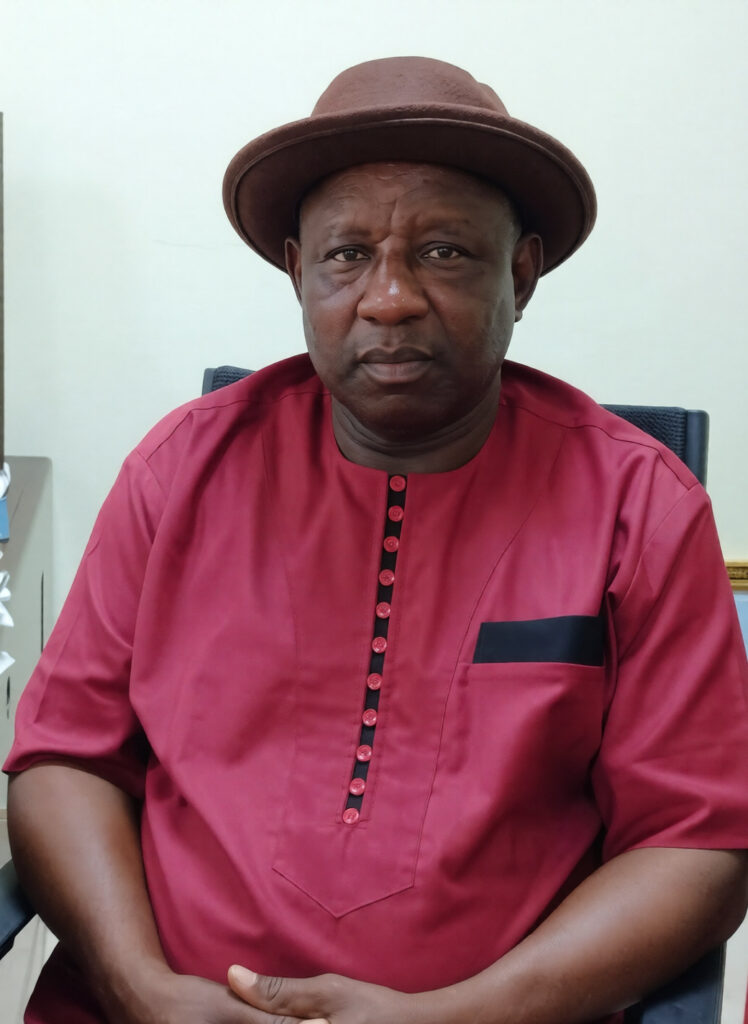
Analysing the implications for the union, Mr Abulbire noted that the regulatory arrangement creates an obligation for transport leaders to channel members’ grievances through formal negotiations. The approach, he suggested, protects both drivers and passengers by ensuring that fare changes are discussed, assessed and communicated before they are implemented.
The General Secretary further explained that the current situation has placed GPRTU leaders in a delicate position because members are under pressure while the union remains bound by the established procedure. Owing to this tension, he said leadership could not simply remain silent when drivers were increasingly questioning whether their interests were being adequately represented.
This explains why the union approached the Ministry of Transport to commence negotiations instead of allowing individual operators to take matters into their own hands. Mr Abulbire revealed that the leadership wants the discussions to determine an appropriate response to the economic pressures while ensuring that any eventual adjustment receives the necessary approval.
Additionally, the General Secretary pointed to the changing fuel situation as one of the factors that has complicated the position of commercial drivers. Diesel prices have moved substantially from the lower levels that previously allowed government and transport operators to agree on fare reductions, leaving the unions to reassess the impact on their members.
Against this backdrop, Mr Abulbire explained that the union’s request does not automatically mean that commuters will immediately face a new fare structure. Instead, the process must first pass through negotiation, where the competing interests of operators, government and passengers can be considered before a final decision is reached.
Moreover, the union’s insistence on due process is consistent with its earlier position that unauthorised fare adjustments should not be implemented. In June, GPRTU and GRTCC rejected reports of an independently announced fare increase and directed operators to maintain approved fares until the recognised consultation process was completed.
In August, the government absorbed GH¢2 from the price of each litre of diesel, bringing the cost down and easing pressure on transport operators. The intervention led the GPRTU to suspend its planned fare increase while it waited for further measures to reduce fuel prices and other operating costs.
READ ALSO: Influencer Igho Tiny Ubiribo Dies After Penis Enlargement in Thailand