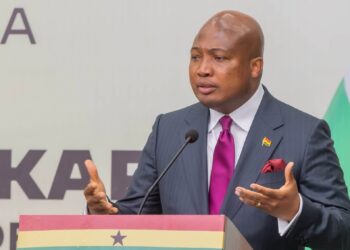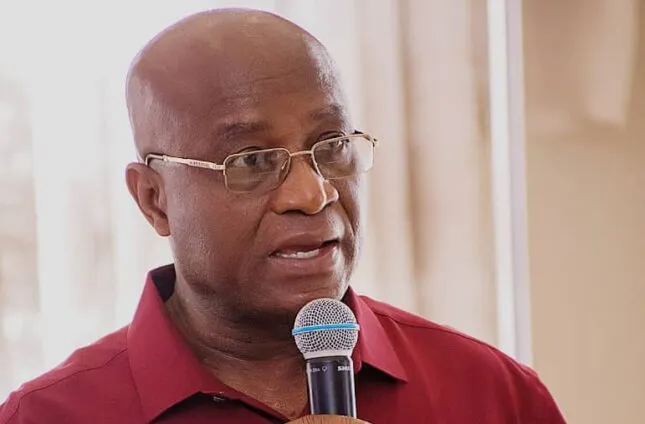
The attempted arrest of Honourable Nana Agyei Baffour Awuah within the vicinity of the court has triggered questions over the conduct of the Economic and Organised Crime Office (EOCO) and the leadership of its Executive Director, Raymond Archer. The Manhyia South MP was attending proceedings involving Madam Salome Ewurabena Baffoe when an officer approached him after the hearing and asked him to accompany her to EOCO.
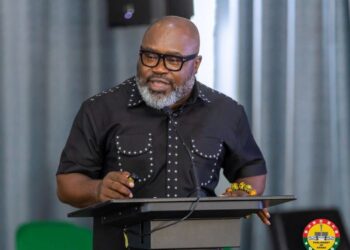
Commenting on the development, former Majority Leader Honourable Osei Kyei-Mensah Bonsu described the incident as particularly troubling because of where it occurred. He argued that the court precincts carry a special institutional dignity and therefore the attempt to arrest Honourable Awuah there should not have occurred in the manner alleged.

According to the former Majority Leader, the circumstances surrounding EOCO’s earlier invitations to Honourable Awuah also require closer examination. He explained that the invitations were connected to the law firm where the Manhyia South MP serves as a senior partner and that the firm responded through another senior officer.
Honourable Kyei-Mensah-Bonsu disclosed that the representative engaged EOCO on three occasions, culminating in the submission of a statement on behalf of the firm. He therefore questioned why the agency would later trace Honourable Awuah to the court and attempt to arrest him when, in his account, there has been no subsequent indication that EOCO required further clarification from the firm.
“So why out of the blue do they trace and track Baffour Awuah to the court precincts and attempt an arrest?”
Honourable Osei Kyei-Mensah-Bonsu
The development has consequently brought attention to Raymond Archer’s leadership of EOCO and whether the agency’s methods in securing the attendance of persons under investigation should be subjected to further scrutiny. Honourable Kyei-Mensah Bonsu argued that the explanation surrounding the earlier invitations did not adequately justify what happened at the court.
Describing the action as an impropriety, the former Majority Leader cautioned that the incident could have implications beyond the individual case. He argued that allowing such conduct to become normalised could damage public confidence in Ghana’s democratic institutions and the relationship between investigative bodies and Parliament.

For Honourable Awuah, the encounter became more serious when the woman who approached him allegedly failed to provide identification when he asked her to establish that she was an EOCO officer. He consequently declined to enter the vehicle she had brought and proceeded to Parliament, where he sought the protection of his colleagues.
The Manhyia South MP earlier characterised the encounter as an attempted abduction and explained that he took the decision to protect himself because of the circumstances surrounding the approach.
Parliamentary Privileges Face Fresh Questions After EOCO Encounter
Honourable Osei Kyei-Mensah-Bonsu pointed to several provisions of the 1992 Constitution which, in his view, provide important safeguards concerning the detention or obstruction of parliamentary officers and legislators. He particularly referenced Articles 117, 118 and 122 in explaining why the circumstances surrounding the attempted arrest deserved careful consideration.
The former Majority Leader explained that Members of Parliament do not only represent constituents within the Chamber but may also need to witness situations involving citizens directly before raising such matters through parliamentary procedures. He therefore argued that Honourable Awuah’s presence at the court could have been connected to his responsibilities as both a lawyer and a legislator.
Directing attention to the encounter itself, Honourable Kyei-Mensah Bonsu questioned the conduct attributed to the woman who approached the MP. He explained that when Honourable Awuah requested identification to establish her authority, she allegedly failed to provide it before physically preventing him from entering his vehicle.
“She physically obstructed the member of parliament from entering his car, go further to impede the movement of the vehicle by standing right in front of the vehicle.”
Honourable Osei Kyei-Mensah Bonsu
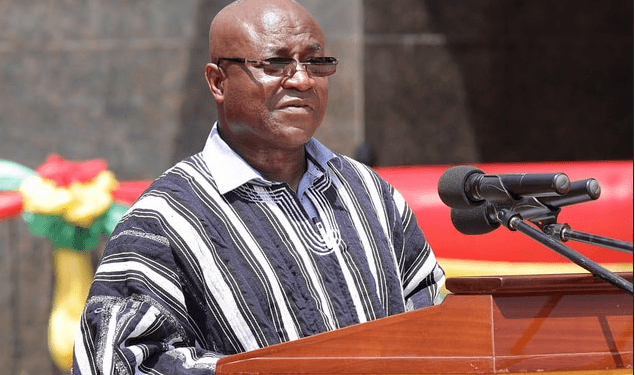
The former Majority Leader further argued that the situation could have created a danger to the officer herself if she remained in front of a moving vehicle. He therefore questioned the authority under which she allegedly attempted to prevent the MP from leaving the area.
Additionally, Honourable Kyei-Mensah Bonsu referenced Article 123, which he indicated gives Parliament powers relating to conduct that interferes with its privileges and functions. His argument places the incident within a wider constitutional question about how investigative agencies should operate when their activities involve serving legislators.
Honourable Awuah’s account, meanwhile, has focused on the uncertainty surrounding the approach made to him after the court proceedings. He explained that he initially indicated his willingness to follow the officer to EOCO but wanted an invitation or other documentation establishing why he was required to report.