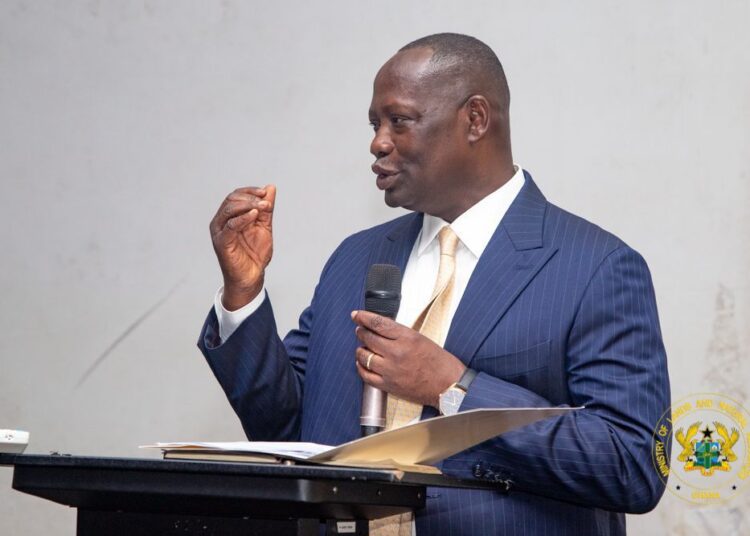
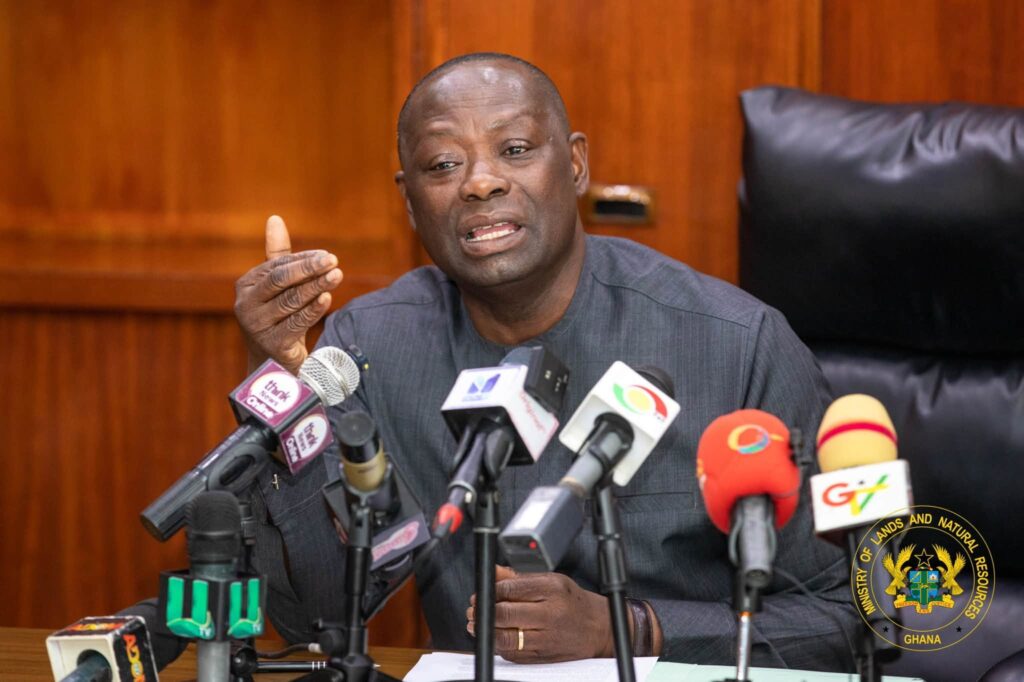
The Ministry of Lands and Natural Resources has clarified that the minister, Hon. Emmanuel Armah-Kofi Buah, MP has not resigned from the Board of the Ghana Gold Board (GoldBod), contrary to recent media and social media reports.
The Ministry of Lands and Natural Resources released an official statement categorically dismissing claims of his exit or any underlying friction between the sector minister and the regulatory body.
Clarifying the ongoing public discussion, official sources confirmed that the news reports circulating across online platforms are completely false and fail to reflect the administrative facts of the institution’s governance.
“The Ministry wishes to state categorically that the reports are false and do not reflect the facts. Hon. Emmanuel Armah-Kofi Buah has not resigned from GoldBod, nor has there been any disagreement between him and the Ghana Gold Board. The Ministry therefore urges the public, media organisations and other stakeholders to disregard reports suggesting that the Minister resigned from GoldBod or that his decision was connected to any disagreement, conflict or dissatisfaction with the institution.”
Ministry of Lands and Natural Resources
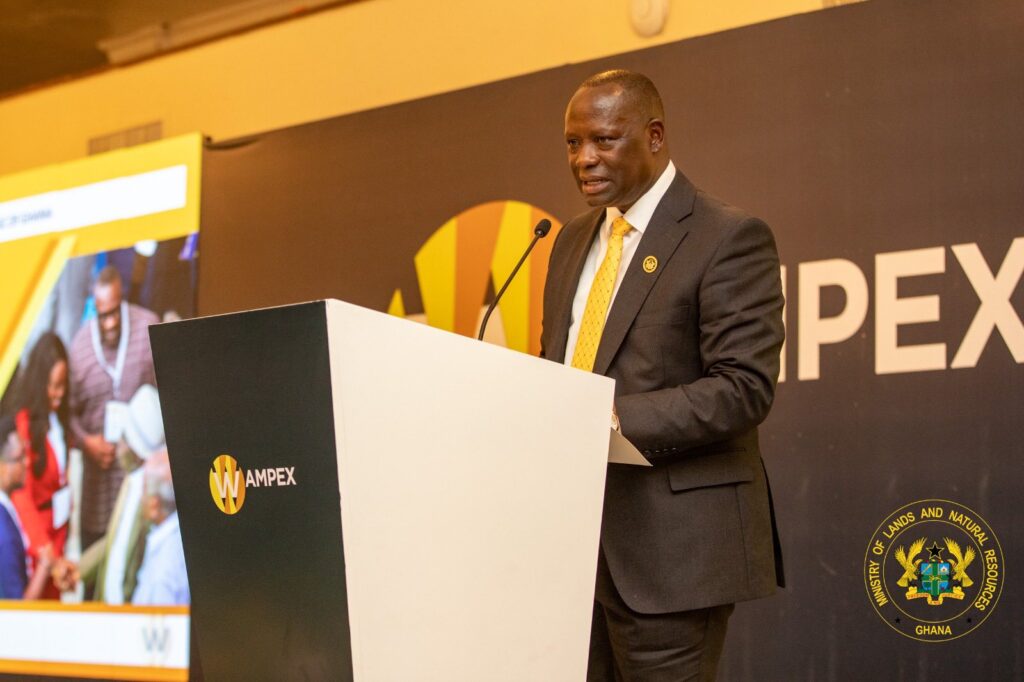
While expanding on the official statement, the Ministry explained that Hon. Armah-Kofi Buah initially served personally on the GoldBod Board before making an administrative adjustment to designate the Ministry’s Chief Director, Mr. Marcus Haligah, as his official representative in January 2026.
This decision was necessitated by the Minister’s demanding schedule and extensive responsibilities across two Ministerial portfolios at the time, which made attending every meeting difficult.
The institutional arrangement fully complies with GoldBod’s governing framework, which permits designated representatives to serve on behalf of board members.
Furthermore, recent statements from GoldBod itself corroborate that the Minister’s decision was purely administrative and entirely disconnected from any supposed conflict, disagreement, or dissatisfaction.
Background and Institutional Architecture of GoldBod
The Ghana Gold Board was established as part of a strategic state policy to overhaul the regulation, trading, and value addition of Ghana’s gold resources.
For decades, Africa’s leading gold producer derived national revenue primarily through mineral royalties and corporate taxes, leaving the lucrative international commercial trading, assaying, and refining margins to external intermediaries.
By introducing GoldBod, the state consolidated exclusive regulatory authority to buy, sell, weigh, grade, assay, value, and export precious minerals.
This regulatory transformation ensures that gold revenue directly backs foreign exchange reserves, supports national currency stabilization, and curbing illicit mineral flight through sophisticated tracking and enforcement mechanisms.
Given the scale of this mandate, statutory governance requires representation from key sector leaders, including the Minister for Lands and Natural Resources, the Governor of the Bank of Ghana, and the Minister of Finance.
Because the Minister holds executive oversight over mining leases, land policy, and environmental compliance, maintaining an active Ministry presence on the governing board is essential for policy alignment.
Delegations to top civil service executives, such as the Chief Director, ensure that state ministries retain uninterrupted representation during crucial policy decisions without stalling administrative operations.
Industry Implications and Extractive Governance
In the extractive sector, rumors of leadership friction or executive resignations at regulatory bodies can create unnecessary uncertainty among international investors and local mining firms.
GoldBod operates at the intersection of commercial trading and statutory oversight, managing critical compliance frameworks for both large-scale commercial miners and artisanal small-scale mining operations.

Misinformation regarding board stability threatens to undermine public confidence in formal gold trading channels and counter-smuggling interventions across the country.
The prompt clarification by the Ministry reinforces institutional stability at a pivotal moment in Ghana’s extractive reform agenda.
By reaffirming that the Ministry’s seat remains securely occupied through designated representation, sector stakeholders are assured that administrative continuity and statutory regulation remain intact.
Public officers and industry operators are urged to rely strictly on verified communications from the Ministry of Lands and Natural Resources regarding executive governance.
READ ALSO: Ghana Faces SDR13.3m IMF Repayment on September 29