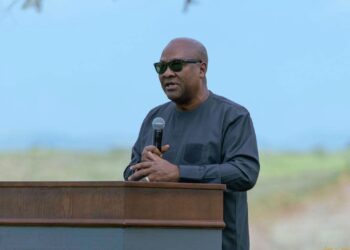
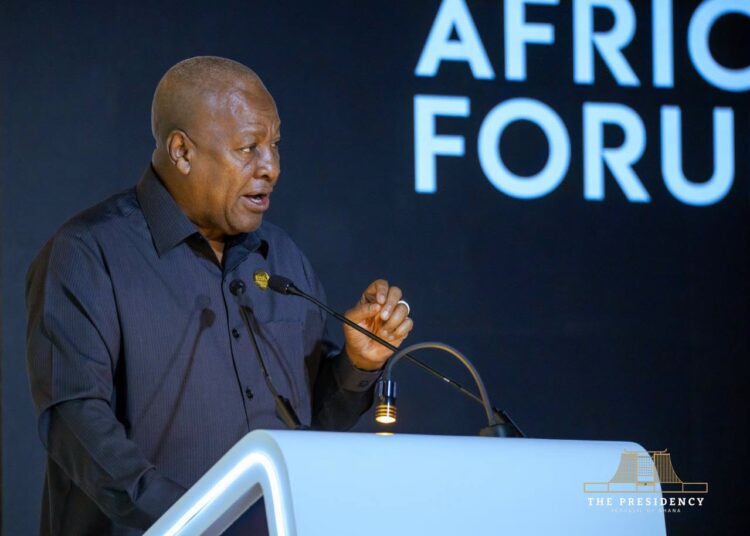
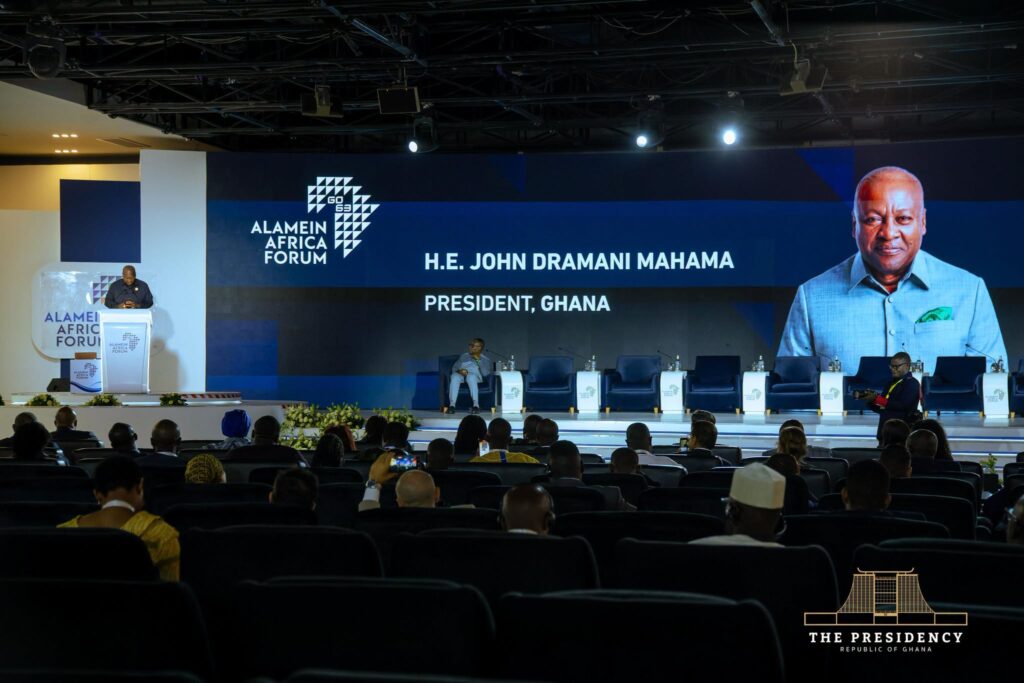
President John Dramani Mahama has challenged financiers, regulators and industrialists to deliver concrete solutions to reduce Africa’s dependence on imported medicines and vaccines and strengthen the continent’s health sovereignty.
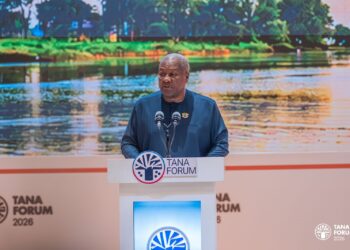
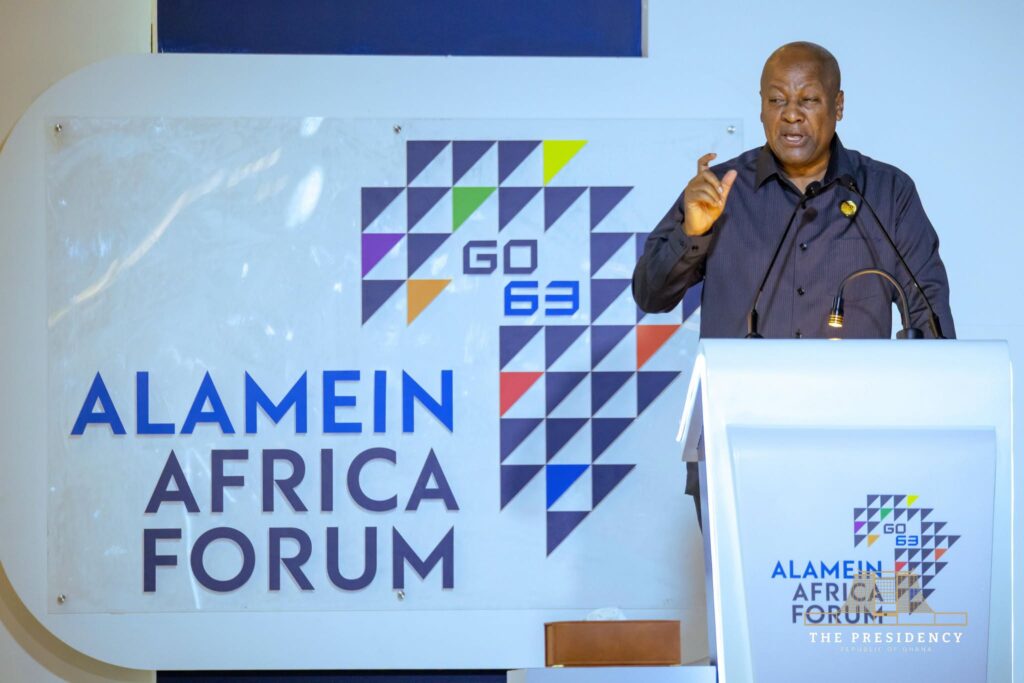
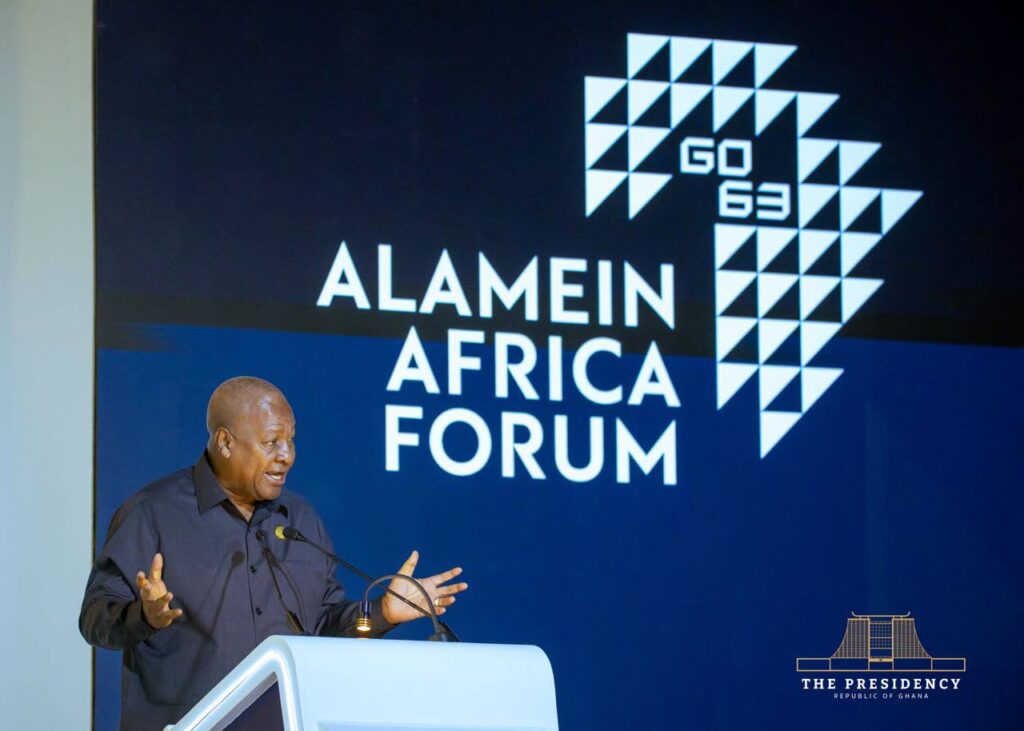
Addressing a high-level audience at the Alamein Africa Forum in Egypt on Saturday, October 3, 2026, President Mahama argued that health must be treated as an investable economic sector rather than a charitable cause or secondary budget priority.
His intervention focused on the financing, regulatory and industrial barriers limiting pharmaceutical production across Africa, as he pressed stakeholders to identify practical mechanisms for building a self-reliant continental health industry.
Mahama Puts Health Industry Stakeholders on the Spot
Following his keynote address, President Mahama posed three questions directly to the financiers, regulators and industrialists participating in the forum. He asked financiers what specific de-risking instruments and blended finance structures governments needed to provide to enable them to deploy patient capital into pharmaceutical plants across Africa.
For regulators, he questioned how quickly the African Medicines Agency could be operationalised to allow a single drug approval to provide access to all 54 African Union member states.
President Mahama also challenged industrialists to identify the strategic partnerships required to move African pharmaceutical manufacturing beyond basic packaging and fill-and-finish operations towards the production of Active Pharmaceutical Ingredients on the continent.
The questions reflected his broader argument that Africa’s health vulnerabilities cannot be addressed solely through aid or emergency interventions, but require deeper investment in domestic production capacity.
Africa Faces Heavy Pharmaceutical Import Dependence
President Mahama’s call comes against a backdrop of significant dependence on external sources for essential health products. Africa currently imports more than 70% of its pharmaceuticals and about 99% of its vaccines, resulting in substantial foreign exchange outflows and exposing countries to disruptions in global supply chains.
The vulnerability could become more pronounced as traditional development assistance comes under pressure. Citing projections from the Organisation for Economic Co-operation and Development, President Mahama said traditional donor health assistance to Africa could decline by between 29% and 46% compared with 2024 levels.
Rather than viewing declining aid as solely a financing challenge, the President framed the shift as an opportunity to develop a commercially sustainable health industry capable of attracting long-term private capital.
He cited data from the Copenhagen Consensus showing that every dollar invested in basic maternal and newborn care generates an estimated $87 in economic and social returns.
President Mahama further referenced findings from the Lancet Commission indicating that reductions in mortality accounted for nearly a quarter of income growth in developing countries during the early 2000s.
HINGE Targets Africa’s Regulatory Fragmentation
A major component of President Mahama’s proposed response is the introduction of HINGE, or Health Investment and National Gateway Enabler.
The digital platform has been developed through collaboration among the African Medicines Agency, Institut Pasteur and AfroChampions. It is intended to streamline regulatory processes, clinical validation and commercialisation across African markets.
The initiative seeks to address one of the structural challenges confronting pharmaceutical manufacturers: fragmented regulatory systems that require companies to navigate different approval processes across multiple national markets.
A more coordinated continental framework could potentially improve market access and create stronger incentives for manufacturers to invest in production capacity.
President Mahama also highlighted the work of the Accra Reset Presidential Council, which he chairs, noting that dedicated Task Forces and a Reform Interlock Observatory are being deployed to track continental capital flows and address non-tariff barriers affecting regional value chains.
Egypt, Nigeria Offer Continental Models
Drawing on examples from across Africa, President Mahama pointed to Egypt’s experience in reducing Hepatitis C prevalence from 10% to below 0.5%.
He attributed the progress to a strategy that moved away from reliance on expensive imported therapies towards local production, technology transfer and the development of domestic pharmaceutical champions such as Pharco.
He also cited Nigeria’s African Medical Centre of Excellence in Abuja as an example of efforts to strengthen specialist healthcare capacity within Africa. The initiative, he noted, could help address the economic losses associated with medical tourism, with Nigeria estimated to lose about $6 billion annually through outbound medical travel.
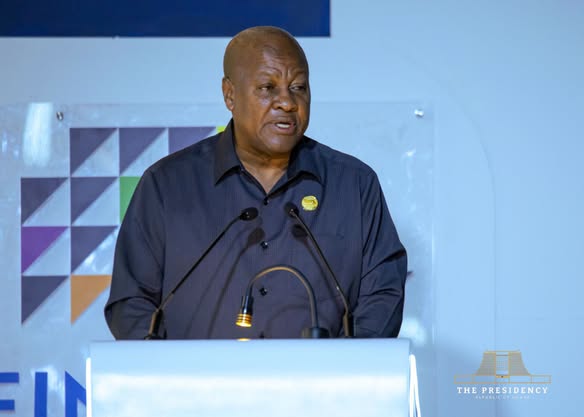
The examples reinforced his argument that African countries can combine domestic investment, technology transfer and strategic partnerships to build stronger health systems while retaining economic value within the continent.
Health Sovereignty as an Economic Strategy
President Mahama’s intervention builds on his broader advocacy for greater African ownership of critical sectors, including healthcare and pharmaceutical manufacturing. In Ghana, he has previously backed efforts to expand local medicine manufacturing as part of strategies to reduce maternal mortality and strengthen domestic healthcare capacity.
He has also linked ownership and control of strategic sectors to the continent’s broader development agenda through the Accra Reset initiative. His latest intervention at the Alamein Africa Forum therefore places pharmaceutical manufacturing within a wider framework of economic sovereignty, regional integration and value addition.
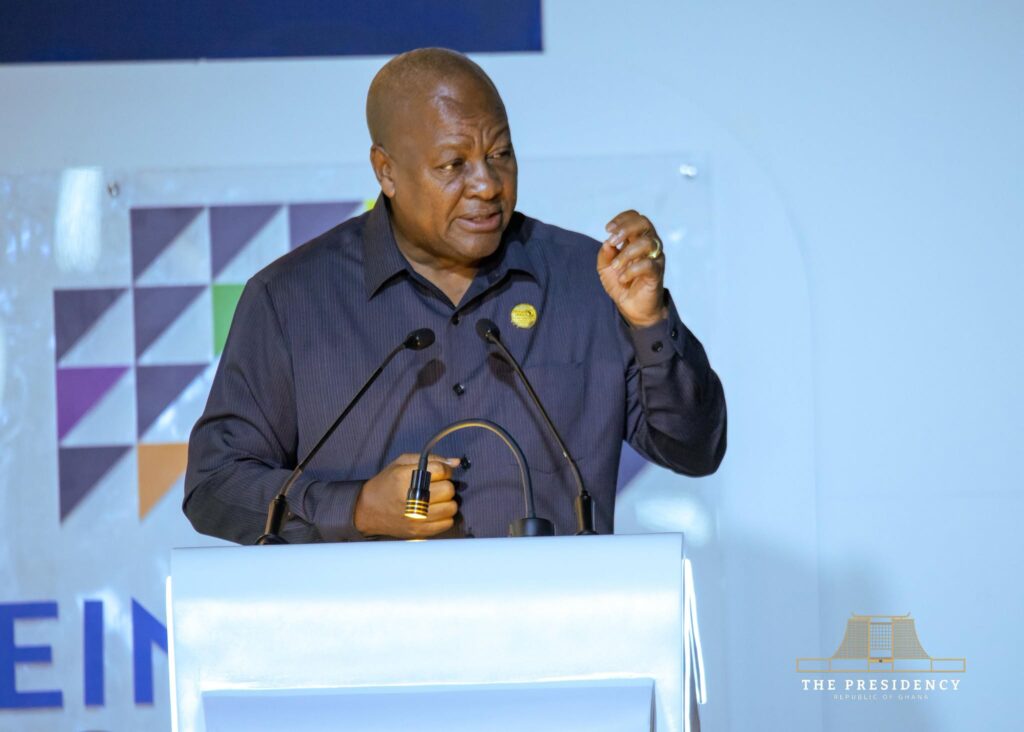
The President has previously called for immediate action to strengthen Africa’s health sovereignty, particularly by increasing domestic production and financing of essential health commodities.
The call also echoes concerns raised by Ghanaian health-sector stakeholders over the need for sustainable financing and local manufacturing to secure Africa’s health future. Concluding his intervention, President Mahama urged participants to fundamentally rethink the continent’s approach to healthcare investment.
“Let us stop treating health as a line-item expense,” he told delegates, positioning health sovereignty not only as a public-health objective but as an economic imperative requiring capital, regulatory coordination, industrial capacity and sustained political commitment.
READ ALSO: Afenyo-Markin Accuses Mahama’s Government of Governing by Optics, Not Results