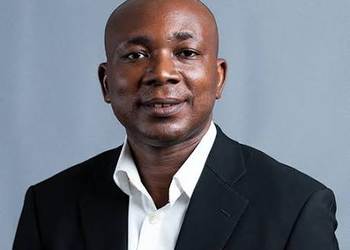
The Director of Presidential Initiatives in Agriculture and Agribusiness and Spokesperson for the National Democratic Congress (NDC) Elections Committee, Dr Peter Boamah Otokunor has asserted that the New Patriotic Party (NPP) consistently draws lessons from the NDC’s political and organisational practices.
To prove his point, he characterised the governing party as “the most successful political party ever in the history of this country” and “as the biggest political party in Ghana is in one of its best shapes.”
“Our friends in the opposition party learn from us every step of the way. Anything NPP does today is something that they have picked from the NDC. And every step of the way we are ahead of them. There is nothing we have learned in the history of the NDC from the NPP.”
Dr Peter Boamah Otokunor
The spokesperson stressed that the National Democratic Congress’ organisational record extends beyond individual constitutional provisions, pointing to its development since the return to multiparty democracy in 1992. Although the party has experienced turbulent periods, he asserted that it has emerged more robust through “successive phases of political restructuring.”
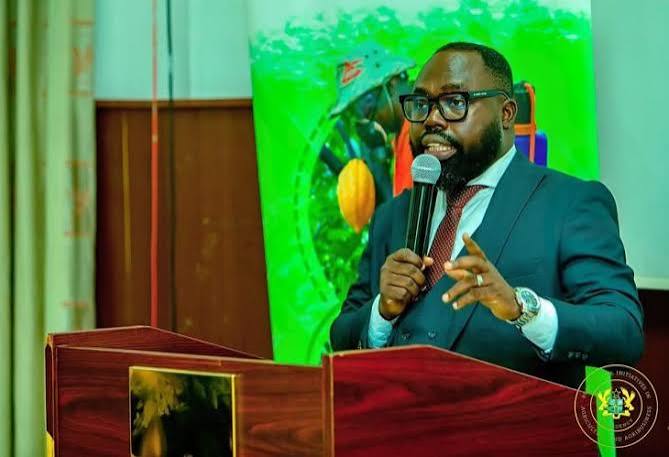
Dr Otokunor further identified the NDC’s approach to internal reforms as evidence of its institutional advancement, explaining that the party introduced measures to reduce human intervention in its electoral processes. These changes have helped minimise individual interference and the acrimony that previously characterised internal contests.
In drawing a distinction between the two parties, the Director pointed to the NDC’s established practice of electing and appointing certain national officers, a system he indicated existed long before the NPP expanded the number of appointed positions.
The discussion also touched on the leadership structure of the two parties, particularly the relationship between the party chairmanship and the presidential flagbearer. Dr Otokunor explained that the NDC’s constitution has, for approximately two decades, recognised the president as party leader whenever the party has an elected flagbearer occupying the presidency.

He therefore characterised the NPP’s recent decision to make its flagbearer the party leader as a delayed adoption of an arrangement the NDC has been practising for years. “They are now waking up after 20 years,” he said, underscoring his contention that the NDC has always been ahead in its organisational development.
The NDC spokesperson also attributed the party’s political success to deliberate planning and leadership, rejecting the suggestion that its achievements has been by chance.
NDC Deploys Technology To Strengthen Internal Elections
With more than 380,000 executives elected through its ongoing internal reorganisation, the National Democratic Congress (NDC) has deployed digital identification systems and other technological measures to strengthen the credibility of its internal elections.
The Director of Presidential Initiatives in Agriculture and Agribusiness and Spokesperson for the party’s Elections Committee, Dr Peter Boamah Otokunor, explained that the systems have been designed so, “every single voter who is going to vote in our elections would be identified.”
Outlining the arrangements, Dr Otokunor identified photographic voter albums and QR codes as essential instruments for verifying delegates and accessing their membership records. He indicated that the measures have been applied during the party’s previous two electoral cycles and would continue to guide the ongoing reorganisation.
The spokesperson explained that each elected executive could be identified through a photograph and a QR code linked to the party’s internal database. In addition to confirming a delegate’s party number, the system provides access to information about the individual’s membership and participation history.
“Our membership goes beyond 4 million. We did some new registration this year and we hope that by the next count when we put everything together, we would exceed that number and we would have photo album for every single person.”
Dr Peter Boamah Otokunor
The Director also elucidated how the party had structured its electoral reorganisation across the country, beginning with branch elections before proceeding to constituency and regional contests. He identified the successful election of executives across 276 constituencies as another significant stage in the exercise, which has so far produced more than 380,000 elected officials.
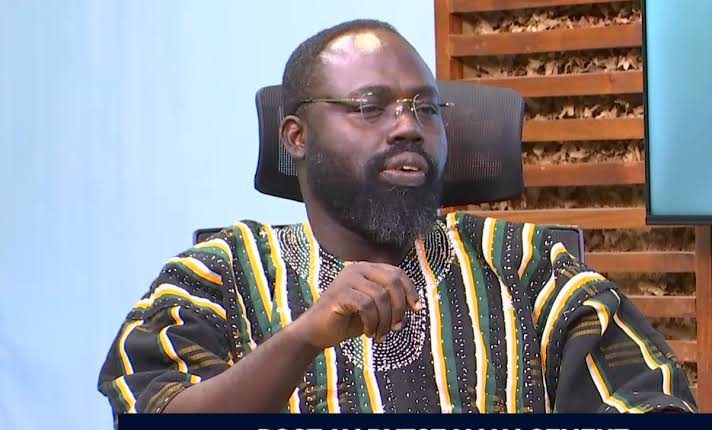
Meanwhile, the NDC’s Elections Committee has been working alongside the Electoral Commission and the Ghana Police Service to facilitate the process. Dr Otokunor identified the two public institutions as important partners in ensuring that the party’s internal elections proceed smoothly.
He also pointed to the competitive nature of some branch-level contests, explaining that the Electoral Commission has been invited to assist in certain instances. Such participation demonstrates the intensity of interest among members and the importance the party attached to credible internal elections.
Beyond the current exercise, the NDC intends to make its digital membership platform useful for tracking the standing and participation records of individual members. Dr Otokunor envisaged a system through which a person joining the party could have their membership history verified, thereby strengthening record-keeping and accountability.
READ ALSO: Minority: Ghanaians Deserve More Than A Catalogue Of Promises