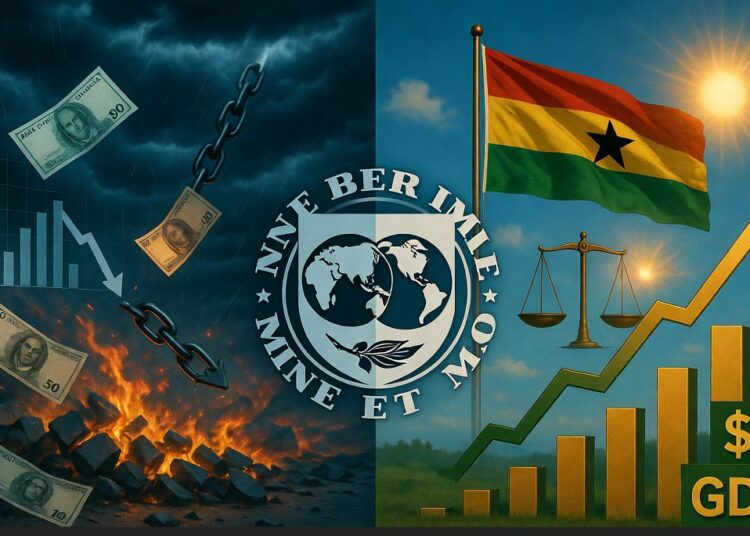
Ghana’s economic recovery has received a major endorsement from the International Monetary Fund (IMF), with the global financial institution declaring that the country’s macroeconomic stability is becoming firmly established following a difficult period of economic turbulence.
The IMF says Ghana has made significant progress in restoring economic confidence, strengthening its external position, reducing public debt and bringing inflation under control, developments that have exceeded some earlier expectations.
The latest assessment represents a significant vote of confidence in the government’s economic reform programme, particularly as the country moves away from emergency crisis management towards building a more resilient economy capable of sustaining long-term growth.
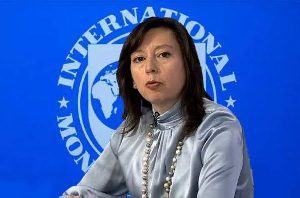
Speaking on Ghana’s economic performance, IMF Director of Communications Julie Kozack said the country’s economic indicators were pointing in the right direction, suggesting that the difficult policy decisions taken during the crisis are beginning to deliver meaningful results.
“Ghana’s macroeconomic stability is now becoming entrenched, and our engagement with the authorities is now shifting from crisis response, which was really the focus of the previous programme, to supporting a consolidation of reforms and the building of longer-term resilience in the country”.
Julie Kozack
Ghana’s Economic Recovery Exceeds IMF Expectations
One of the most encouraging developments highlighted by the IMF is the country’s stronger-than-anticipated economic growth.
According to Kozack, Ghana’s economy has performed better than expected, with growth reaching 6.0 percent last year. The Fund projects economic growth of 5.7 percent this year, reflecting continued resilience despite the challenges associated with economic restructuring.
The growth performance is particularly important given the difficult conditions Ghana experienced during its economic crisis, when high inflation, currency depreciation, rising debt obligations and fiscal pressures placed enormous strain on households and businesses.
The latest figures suggest that economic activity has regained momentum, providing some relief to a country that has spent considerable time trying to restore stability and rebuild confidence.
“We’ve also seen that Ghana’s economy has improved significantly. We’ve seen growth exceed expectations. Growth was 6.0 percent last year, and we project it at 5.7 percent this year. Ghana’s external position has strengthened. Its debt has fallen. Its debt-to-GDP ratio is now around 50 percent, and inflation is now in the single digits.”
Julie Kozack
The IMF’s assessment places considerable emphasis on the improvement in Ghana’s external position and the reduction in public debt.
With the debt-to-GDP ratio now estimated at around 50 percent, the country’s debt burden has declined significantly from the levels that previously raised serious concerns about fiscal sustainability.
Inflation has also returned to single-digit territory, providing a significant improvement from the period when rapidly rising prices eroded household purchasing power and increased operating costs for businesses.
However, sustaining these gains will require continued fiscal discipline, prudent economic management and policies that prevent the country from returning to the excessive borrowing and spending patterns that contributed to the crisis.
Difficult Reforms Are Finally Bearing Fruit
Beyond the improving economic indicators, the IMF has drawn attention to the government’s ownership of the reform programme, describing it as an important factor behind Ghana’s progress.
Kozack expressed satisfaction with the country’s commitment to implementing the programme, particularly its homegrown nature and the willingness of authorities to take politically and economically difficult decisions.
She noted that Ghana’s previous programme was implemented under extremely challenging circumstances, but the authorities remained committed to difficult policy choices that are now contributing to economic stability. She said, “It has been a homegrown programme which we have supported”.
The IMF also acknowledged that implementing economic reforms during a period of financial distress was never going to be easy.
The measures required difficult adjustments across the economy, with implications for government spending, public finances and the broader business environment.
“We’ve also seen a willingness by the authorities to undertake some very difficult policy decisions. The programme, the previous programme, was implemented in very difficult circumstances, but the authorities took the difficult decisions at that time, and those are now bearing fruit, as I said, in terms of stability and the strength of the economy.”
Julie Kozack
The endorsement is significant because it highlights the importance of domestic commitment in achieving economic recovery rather than relying exclusively on financial assistance from external institutions.
Ghana’s ability to maintain ownership of its reform agenda could become increasingly important as it transitions from stabilisation towards more ambitious economic transformation objectives.
IMF Praises Government’s Social Dialogue
Another area receiving positive recognition from the IMF is the government’s approach to social dialogue and stakeholder engagement.
Kozack praised Ghana for involving key stakeholders in discussions surrounding economic reforms, national priorities and the challenges associated with implementing difficult policy decisions.
According to her, broader engagement helped create public understanding and support for reforms that could otherwise have faced significant resistance.
“And that has all helped to build support for the difficult reforms that the country had to take. And so that’s, I think, another key lesson is the importance of broader societal engagement, which was also done in Ghana”.
Julie Kozack
The IMF’s recognition underscores the importance of involving citizens, businesses, labour groups and other stakeholders in shaping economic policies.
Economic recovery is not measured solely through improvements in inflation, debt ratios and growth figures. The extent to which ordinary households experience better living conditions and businesses regain confidence also matters.
Sustained engagement can help bridge the gap between government policy decisions and the economic realities confronting citizens.
Ghana Faces the Challenge of Sustaining Stability
Despite the positive assessment, Ghana’s next economic chapter will require more than maintaining favourable economic indicators.
The government must consolidate the gains achieved, strengthen fiscal institutions, protect debt sustainability and ensure that economic growth translates into employment opportunities and improved living standards.
The IMF’s shift from crisis response towards longer-term resilience signals an important transition in its engagement with Ghana.
It also raises expectations that the country will preserve the discipline required to prevent another cycle of economic instability.
Kozack ended her assessment on an optimistic note, expressing confidence that Ghana’s difficult economic journey was beginning to produce encouraging outcomes.
She concluded that there is light at the end of the tunnel.
READ ALSO: Ghanaians’ Sacrifices Must Yield Lasting Improvements – Ato Forson Declares