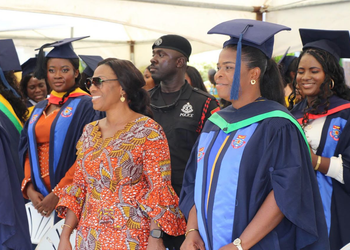
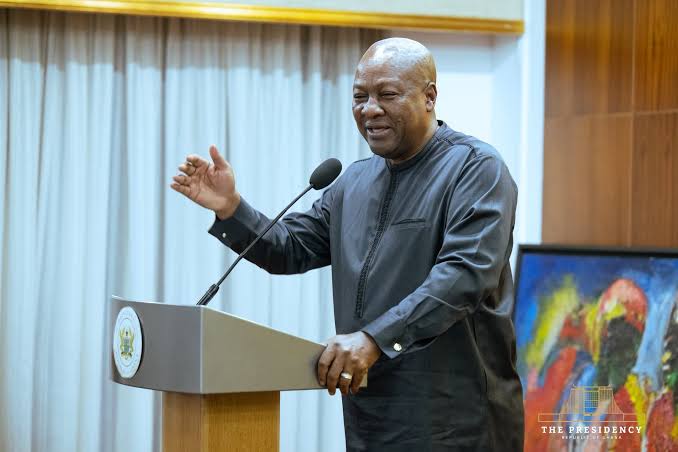
President John Dramani Mahama has announced that the National Apprenticeship Programme will train at least 50,000 apprentices in 2027, more than three times its first graduating class of 13,309. He made the announcement at the graduation ceremony at the State House in Accra on Friday, November 20, 2026.
President Mahama explained that the pilot phase proved the demand, drawing more than 300,000 applications for 10,000 planned places, and that an uncapped communication service tax will help fund the expansion. He argued that the programme now needs predictable financing, stronger coordination and closer industry partnerships to grow.
“We have finished the pilot phase, that’s 13,000, about 14,000 apprentices. Next year we are entering the training itself, and we are going to train at least 50,000 apprentices.”
President John Dramani Mahama
Pilot Phase Beats Its Enrolment Target
President Mahama launched the programme in Tamale on April 30, 2025, and he recalled his promise that the cost of training, the circumstances of birth or the lack of a university place should never block a decent livelihood.
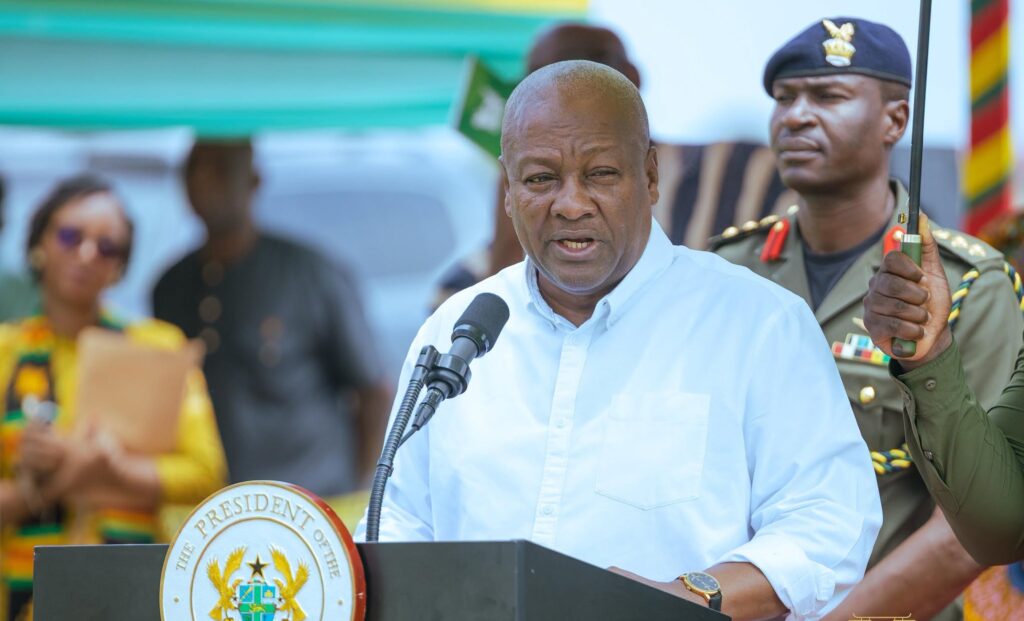
The government set out to train and equip 10,000 young people. President disclosed the programme received “more than 300,000 applications” and enrolled 14,335 apprentices, “43% above what we had targeted.” Of those, 13,309 completed training and graduated.
“That response shows strong demand for practical training and how readily young people will take up the opportunity when it is available.”
President John Dramani Mahama
The President stressed that the first cohort came from all 16 regions, so that everyone had an “equal opportunity.” The Upper West Region trained more than 2,200 beneficiaries and the Northern Region more than 1,900.
Ashanti and Greater Accra each reached over 1,400, while the Eastern and Upper East regions each topped 1,000. Thousands more joined from the other 10 regions, so a young person in Nkoranza or Bawku has the same chance to learn a trade close to home as one in Accra or Kumasi.
The programme covers nine broad areas, including agriculture, artisanal trades, fashion, renewable energy, hospitality and information technology. Training lasts 3–18 months, depending on the trade. Apprentices spend about 70 percent of the time on practical work and 30 percent on theory, which includes entrepreneurship.

The government pays the master craftsperson, which relieves parents of the cost. Apprentices also receive “a stipend to be able to commute to work and back every day.” President Mahama told Osman Ayariga, the chief executive of the authority that runs the initiative, that he should consider raising it next year.
Funding the Scale-Up
The expansion rests on a tax decision. “I asked the Minister of Finance to uncap the communication service tax.” Uncapping the tax releases money to the apprenticeship programme, President Mahama explained. He added that some of it will go to the Adwumawura programme and some to the Youth Employment Agency (YEA).
He then listed what the pilot taught the government. “We need predictable financing, timely operational support, stronger coordination, and closer partnerships with industry.”
The government also wants to follow graduates into work. President Mahama asked every graduate to download the NAP Connect app, which will let officials keep in touch and match skills to openings.
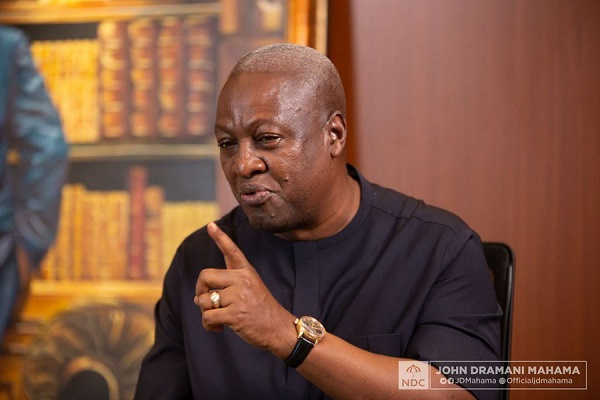
The Ministry of Youth Development and Empowerment, the National Youth Authority and the implementation team must apply the pilot’s lessons and answer for results, he stated. The programme will also track which courses lead to jobs and viable businesses.
President Mahama told young Ghanaians still waiting for a place that the demand they have shown will guide how the programme grows. The government will test its own targets against its first full intake in 2027.