Ghana’s ambition to build a more innovative, technology-driven and sustainable private sector will depend partly on whether businesses can access reliable and affordable electricity, as the growing adoption of artificial intelligence (AI) and digital technologies creates new demands on the country’s energy infrastructure.
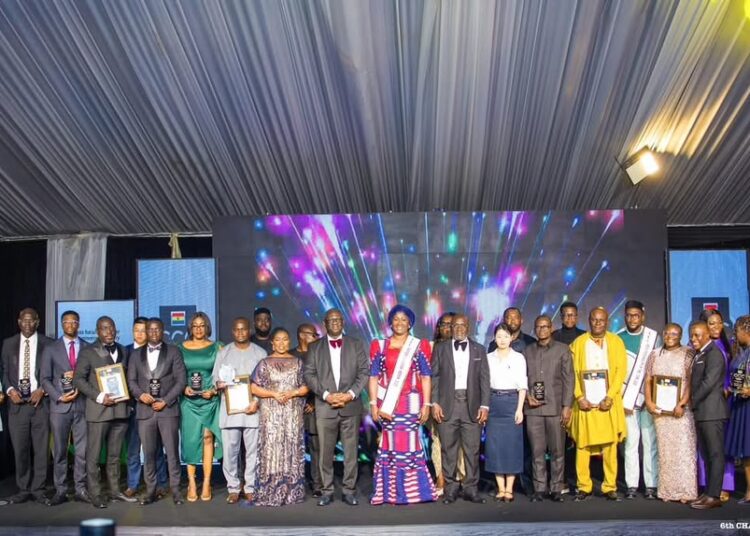
The issue emerged against the backdrop of the 6th Chamber Business Awards organised by the Ghana National Chamber of Commerce and Industry (GNCCI) at the Labadi Beach Hotel, where the private sector’s role in economic transformation was placed at the centre of discussions.
Held under the theme, “Shaping a Resilient Future: The Role of Sustainability and AI in Business,” the awards recognised outstanding Ghanaian enterprises while drawing attention to the need for businesses to embrace innovation, improve productivity and adopt more sustainable operating practices.
However, the transition being encouraged carries an important energy-sector implication: businesses cannot consistently deploy digital technologies, modernise production or improve operational efficiency without a dependable electricity supply.
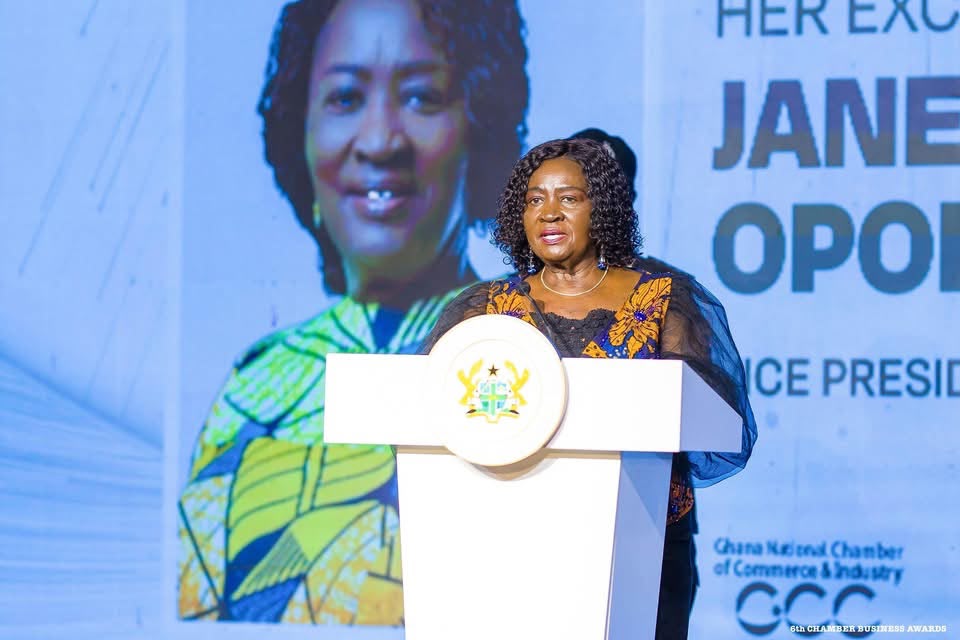
Vice-President Professor Jane Naana Opoku-Agyemang, who graced the event, urged businesses to adopt artificial intelligence based on practical commercial needs, while paying attention to the cost of implementation, skills development, data protection and employment implications.
“Artificial intelligence in particular is opening up new possibilities across sectors. Some of its applications are accessible without substantial investment in new infrastructure, but its adoption must be guided by practical business needs with due attention to cost, skills development, data protection and the wider implications for employment and safety,”
Her remarks point to a broader challenge for Ghanaian businesses. While AI offers opportunities to improve production, logistics, financial management and customer service, its benefits will depend on the availability of infrastructure capable of supporting its use.
Electricity is central to that infrastructure.
Business Innovation Requires Reliable Power
Ghana’s electricity demand is already increasing, placing additional importance on the ability of the power system to support expanding commercial and industrial activity.
The Energy Commission’s 2026 Energy Outlook indicates that national peak electricity demand reached 4,283 megawatts (MW) in 2025, representing an 8.4% increase from the previous year. Total electricity consumption, including system losses, also rose by approximately 9.3% to 27,015 gigawatt-hours (GWh).

The increase reflects expanding demand across several categories of consumers, including industrial and commercial users.
It also demonstrates why energy planning must anticipate the requirements of a more technology-intensive economy.
For manufacturers, digital businesses and service providers, unreliable electricity can translate into interrupted production, damaged equipment, additional expenditure on backup generation and reduced operating hours.
The International Monetary Fund (IMF), in its 2026 assessment of Ghana’s energy sector, identifies electricity reliability and affordability as important conditions for private-sector competitiveness.
The Fund states:
“Achieving these objectives will require a step change in the reliability, affordability, and financial sustainability of electricity supply.”
The warning is particularly relevant to the GNCCI’s emphasis on business resilience. A company may invest in automated production systems, digital payment platforms or AI-enabled operations, but unreliable electricity can undermine the expected productivity gains.
The cost of maintaining generators and other backup arrangements can also reduce the financial resources available for technology upgrades, staff training and business expansion.
Consequently, the private sector’s digital transformation cannot be separated from the performance of the electricity sector.
Sustainability Must Move Beyond Corporate Commitments
The awards’ focus on sustainability also raises questions about how businesses can reduce their energy costs and environmental footprint while remaining commercially competitive.
For many Ghanaian enterprises, electricity consumption represents a significant operational expense.
Improving energy efficiency, adopting appropriate renewable-energy technologies and modernising industrial equipment could help reduce exposure to rising energy costs.
However, the transition requires more than encouraging companies to adopt sustainability policies. Businesses need access to financing, technical expertise and practical incentives to invest in energy-efficient equipment and cleaner sources of power.
The National Development Planning Commission’s 2025 Voluntary National Review reported that renewable energy sources excluding large hydropower contributed less than 3% of Ghana’s national electricity mix.
This highlights the distance between the country’s renewable-energy ambitions and the pace of actual deployment.
For businesses, this creates both a challenge and an opportunity.
Companies with suitable facilities could invest in rooftop solar, energy management systems and more efficient machinery to reduce their dependence on grid electricity.
Larger industrial operators could also explore arrangements that improve the reliability and predictability of their energy supply.
But the Government must ensure that renewable-energy deployment is supported by clear regulations, accessible financing and grid infrastructure capable of accommodating additional generation.
The GNCCI’s emphasis on sustainability therefore needs to translate into practical engagement between businesses, financial institutions and energy-sector regulators.
AI Adoption Must Be Matched By Skills And Infrastructure
The Chamber’s decision to place AI at the centre of its 2026 awards reflects the growing recognition that technology is changing how companies compete.
At the launch of the awards in May, Prince Ackuaku, Chairperson of the Awards Planning Committee, highlighted the importance of innovation in business performance.
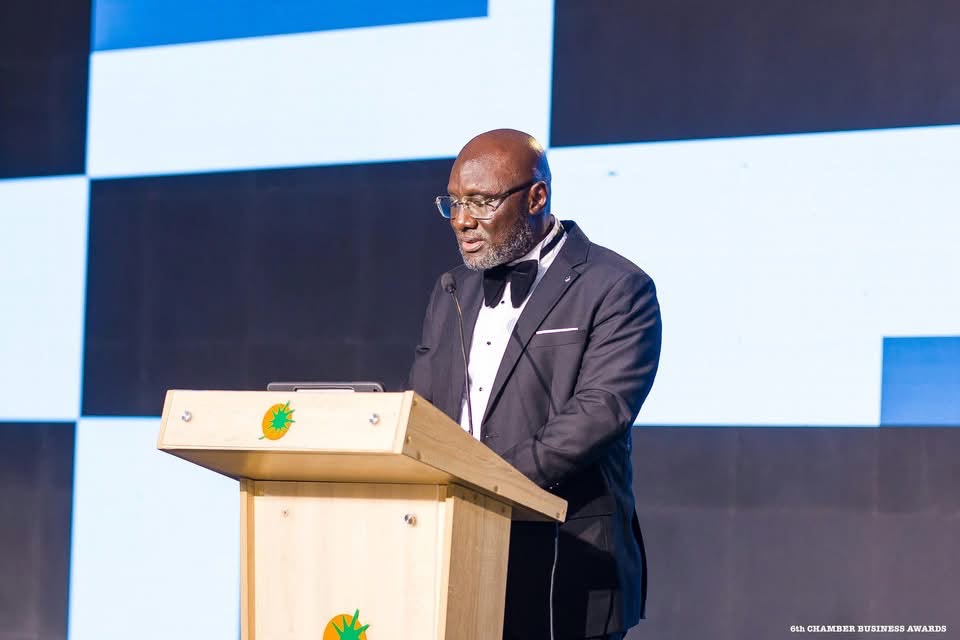
“One of our key criteria is how innovation and technology are driving businesses. Today, business is no longer about the usual methods; it is being driven by technology,”
He also argued that early adoption of AI would help businesses improve productivity, reduce operational costs and strengthen profitability.
Yet the transition is unlikely to be uniform across Ghana’s private sector. Larger companies may have the financial resources and technical personnel to integrate AI into their operations, while small and medium-sized enterprises could struggle with software costs, digital infrastructure and limited technical capacity.
The electricity requirement will also vary. Basic AI applications can operate through existing digital platforms without major new energy infrastructure, but more advanced computing facilities and data-intensive operations may require substantial and dependable power.
This distinction is important because businesses should not assume that every AI application requires large-scale infrastructure investment. Instead, adoption should be guided by the productivity problem being addressed and the cost of deploying the technology.
The Vice-President’s emphasis on skills, implementation costs and responsible adoption therefore provides an important framework for businesses considering digital transformation.
AfCFTA Opportunities Depend On Competitiveness
The awards also brought attention to the opportunities presented by the African Continental Free Trade Area (AfCFTA), particularly for Ghanaian companies seeking to expand beyond the domestic market.
Professor Opoku-Agyemang cautioned that access to a larger market would have limited benefits if businesses could not produce competitively and supply consistently.
“However, access to a larger market will be of limited benefit if we do not produce competitively or supply consistently,”
That observation has direct implications for Ghana’s energy policy.
Businesses seeking to supply regional markets must be able to maintain production schedules, manage operating costs and meet the quality and delivery requirements of buyers.
Electricity reliability and affordability are therefore part of the country’s wider trade competitiveness.
If energy costs remain high or supply disruptions affect production, Ghanaian manufacturers could struggle to compete with businesses operating in markets with more predictable industrial power arrangements.
The Government’s responsibility consequently extends beyond promoting AfCFTA participation. It must also strengthen the infrastructure that allows domestic businesses to take advantage of the agreement.
The GNCCI, for its part, can use its position as a business representative institution to bring the concerns of manufacturers, service providers and exporters into discussions on electricity pricing, renewable-energy financing and energy efficiency.
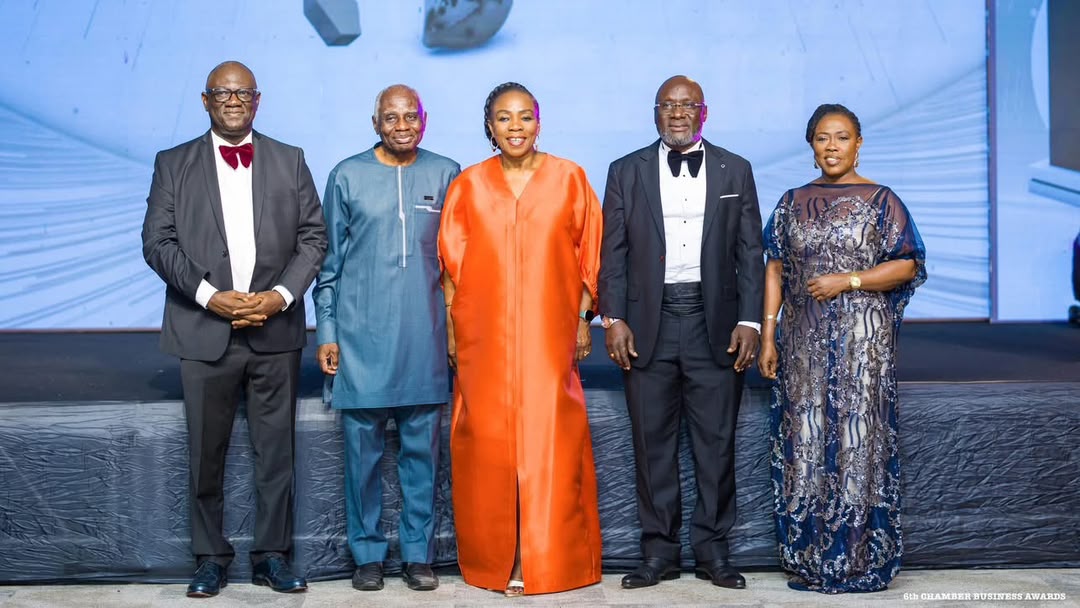
The 6th Chamber Business Awards celebrated enterprises contributing to Ghana’s economic development.
But the wider policy question is whether the country’s infrastructure can support the next phase of business growth.
For Ghanaian companies, resilience will increasingly involve more than financial discipline and market access.
It will also require efficient energy use, reliable electricity, technology adoption and the ability to manage the costs of an evolving energy system.
The challenge is to ensure that the country’s ambition for a more innovative and sustainable private sector is matched by an electricity system capable of supporting it.
READ ALSO: Manhyia District Hits 115% Of NHIS Registration Target