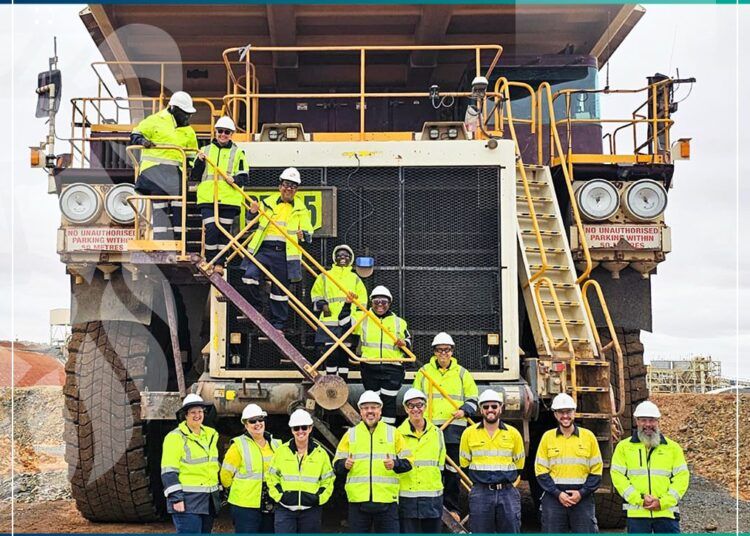
Gold Fields Ghana Limited has cautioned that its flagship Tarkwa mine requires substantial fresh capital injection to sustain operations, preserve employment, and maintain vital fiscal revenues as the April 2027 expiration of its mining leases approaches.
The warning comes amidst heightened national debate over whether the Government of Ghana should renew the South African miner’s operating licenses or transition the Western Region asset to wholly Ghanaian ownership.
“Tarkwa now requires significant further investment in waste stripping, tailings capacity, the mining fleet and processing plant to extend its operating life and sustain jobs, local procurement, and public revenue. Gold Fields’ technical expertise, experience operating Tarkwa, access to financing and established environmental management standards position it well to undertake this work. Gold Fields is ready to make that investment, subject to the outcome of the lease renewal process.”
Gold Fields Ghana Limited

In a media release outlining its operational track record and future capital requirements, the mining giant emphasized that extending the life of the Tarkwa concession hinges on immediate technical upgrades.
Having already submitted an early renewal application in November 2025 following an April 2025 agreement with state authorities, the company is positioning its financial capacity and operational familiarity as indispensable to unlocking the mine’s next production phase.
Operational Realities and Capital Intensity
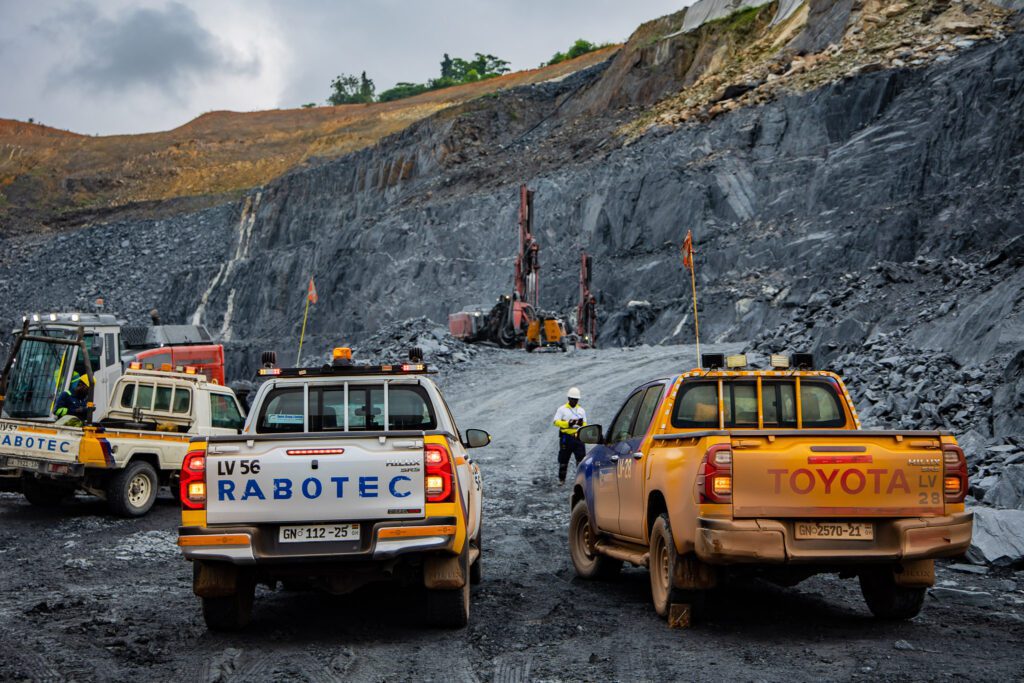
Mining deep-seated open-pit reserves at a mature asset like Tarkwa demands continuous, heavy capital expenditure that goes far beyond routine extraction.
After more than three decades of continuous production since Gold Fields was selected as the preferred investor to revive the struggling operation in 1992, ore grades naturally decline while pit depths increase.
Consequently, accessing remaining gold-bearing reefs requires extensive waste stripping the removal of massive volumes of overlying rock and soil alongside expanded tailings storage facilities to safely contain processed byproducts.
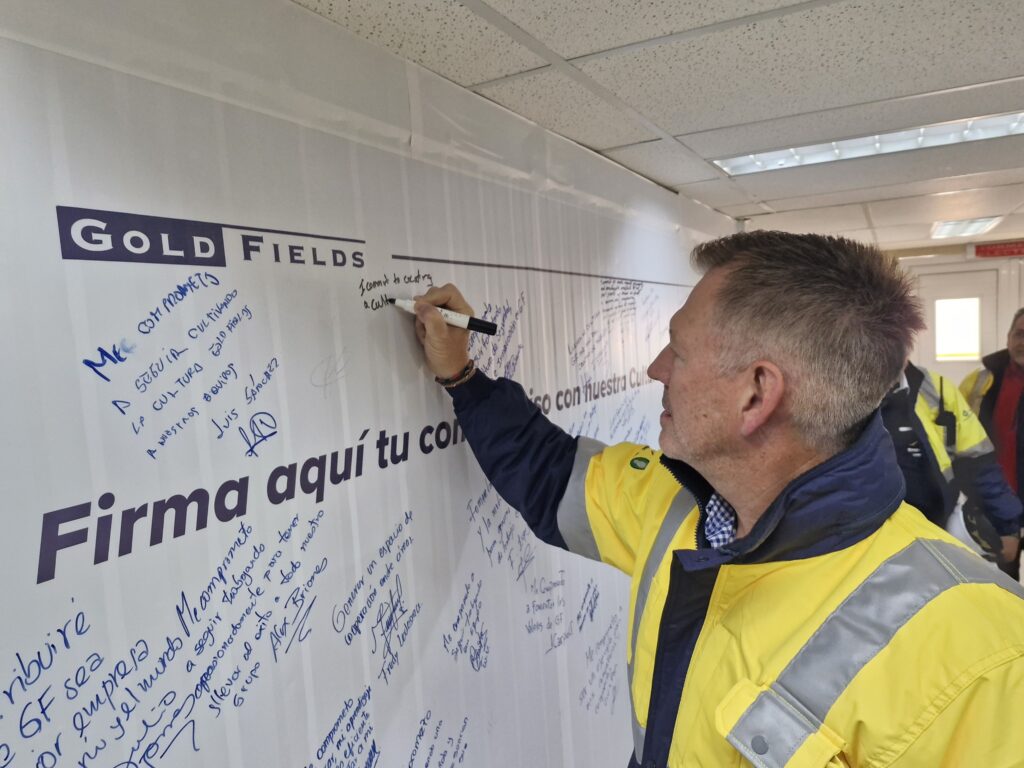
Without modernizing the ageing mining fleet and upgrading processing plant infrastructure, production costs would escalate rapidly, threatening the commercial viability of the mine.
Industry analysts note that the transition to deeper mining phases carries substantial upfront technical risks and multi-million-dollar liquidity demands before any additional gold is poured.
By highlighting that it has already invested over US$5 billion into developing and sustaining Tarkwa, Gold Fields is underscoring the scale of balance-sheet strength required to prevent operational stagnation or a sudden drop in output.
Macroeconomic Footprint and Local Supply Chains
Beyond technical necessity, the stakes surrounding the lease renewal are deeply intertwined with Ghana’s broader macroeconomic stability and domestic industrial ecosystem.
Gold Fields revealed that it has paid US$3.3 billion to the Government of Ghana in royalties, corporate taxes, and dividends, cementing Tarkwa’s status as a primary pillar of state revenue generation.
Maintaining uninterrupted capital investment ensures that these fiscal inflows bolstered by the state’s 10 percent free-carried equity stake continue at a time when domestic revenue mobilization remains critical.
Equally significant is the mine’s integration into local supply chains and labor markets. Over the past five years alone, the company has spent more than US$4.6 billion with local suppliers, directly fueling the growth of major indigenous enterprises such as Engineers & Planners (E&P), Zen Petroleum, Genser Energy, and Western Transport Services.
Furthermore, the operation supports a workforce exceeding 5,000 employees and contractors, where roughly 99 percent of the staff are Ghanaian.
Any disruption to capital deployment during the lease transition could trigger severe ripple effects across these contractor networks and household incomes throughout the Western Region.
Navigating Community Expectations and Resource Nationalism
The push for lease renewal unfolds against a complex backdrop of community advocacy and calls for greater indigenous control over natural resources.
While some traditional leaders, notably within the Apinto Divisional Council, have publicly urged the government to hand the concession over to a local firm upon expiration, other stakeholders have rallied behind the “Gold Fields must stay” campaign.
Addressing these competing perspectives, the company noted that it “acknowledge the concerns raised in recent weeks and will continue to work with traditional authorities, municipal assemblies, and community representatives to address local priorities.”
Pointing to over US$114 million channeled into social infrastructure, education, and healthcare through the Gold Fields Ghana Foundation, management argued that sustainable development relies on a balanced framework.
According to the release, “lasting improvements depend on both channels working together through a three-way partnership between the Government, mining companies, and host communities.”
READ ALSO: MMFL, BoG Push Urgent Action Against Digital Financial Fraud