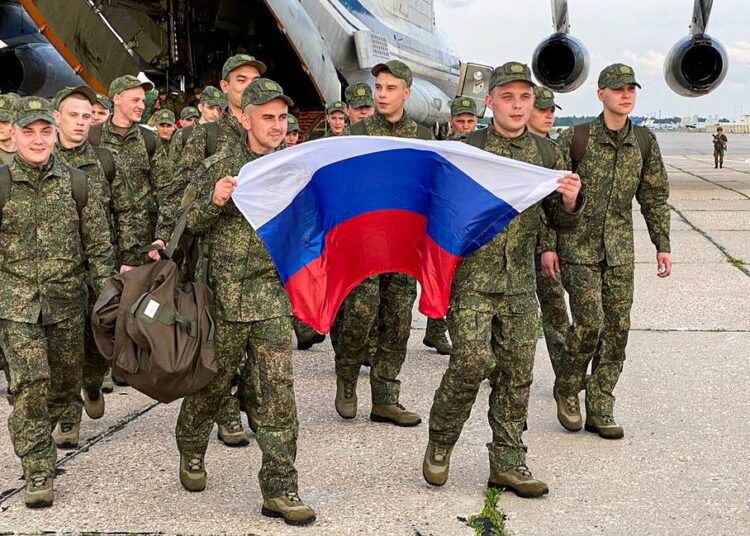
Russia’s lower house of parliament has approved a 2027–2029 state budget that significantly increases military spending, alongside a series of tax measures aimed at generating additional revenue to finance the country’s war in Ukraine.
The government is seeking to offset rising military costs through additional taxes on mining companies and income earned by citizens from investments. The budget was approved by 396 deputies, while 37 abstained.
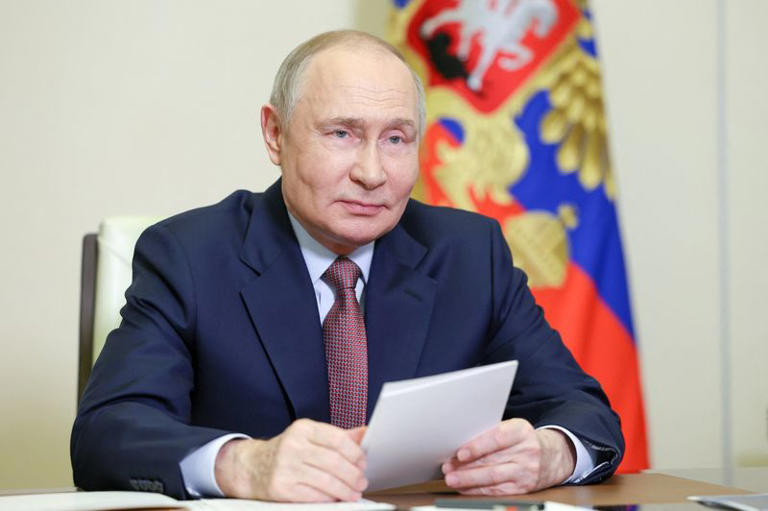
It will now proceed to the Federation Council, Russia’s upper parliamentary chamber, for consideration before being sent to President Vladimir Putin.
The approval comes as Moscow faces growing pressure to finance its military campaign while managing a budget deficit that has exceeded earlier forecasts. Heavy defence expenditure and sluggish economic growth have contributed to the widening shortfall.
Russia’s economy has also faced pressure from international sanctions, high interest rates affecting non-military businesses, labour shortages and Ukrainian strikes on oil refineries and export terminals.
The budget allocates approximately 17.15 trillion rubles ($208.9 billion) for national defence in 2027, up from 12.93 trillion rubles ($157.5 billion) in 2026. The figure also exceeds the 13.6 trillion rubles ($165.7 billion) previously forecast for defence expenditure in 2027 under last year’s budget.
Russia Targets Businesses And Investment Income
The government’s proposed tax increases are intended to draw additional revenue from domestic businesses and consumers as it seeks to sustain military spending.
Among the measures is a windfall profits tax of between 20% and 30% on mining companies that have benefited from rising prices for iron ore, nickel and gold.
Another proposal introduces higher tax rates on income earned from interest, dividends and proceeds from property sales. Under the new structure, such income will be taxed at rates ranging from 13% to 22%.
Currently, investment-related income is taxed at 13% for amounts below 2.4 million rubles ($29,800) and 15% for amounts exceeding that threshold.
The government is also introducing charges on online purchases of foreign goods. From January 1, the measures will include a 100-ruble charge per parcel and a 22% value-added tax on imported online purchases worth less than 200 euros ($219), which are currently exempt from taxation.
The proposed changes represent a more targeted approach than previous broad tax increases that proved unpopular among small businesses.
By raising taxes on selected industries, investment income and imported online purchases, the Kremlin aims to increase revenue from domestic financial resources at a time when international sanctions have restricted its access to global bond markets, foreign banks and overseas investors.

Ruling Party Hails Budget
Dmitry Kobylkin, Head of the ruling United Russia party’s parliamentary faction, described the proposed spending plan as a “victory budget.”
In a statement, he said that the budget included allocations for national defence, support for veterans and their families, and broader state social assistance programmes.
Additional funding for veterans’ programmes was incorporated before the bill’s second reading, according to Russia’s state news agency. Among the initiatives is Time of Heroes, a Kremlin-backed programme designed to prepare former soldiers for careers in government.
The inclusion of veterans’ support alongside increased military allocations reflects the government’s stated intention to maintain social programmes while prioritising defence spending.
Economic Pressures Mount As Military Spending Rises
The budget approval highlights the growing demands placed on Russia’s public finances as the war in Ukraine approaches its fifth year.
The widening deficit has been driven by substantial military expenditure and weaker-than-expected economic growth. Sanctions have further complicated the government’s financing options by limiting access to international financial markets and foreign investment.
Businesses outside the defence sector have also faced high borrowing costs, while labour shortages have added to the challenges confronting the wider economy.
Ukrainian attacks on Russian oil refineries and export terminals have created additional pressure on the country’s energy sector, an important source of government revenue. As a result, the government is increasingly relying on domestic taxation to finance its spending commitments.
The proposed tax increases are expected to provide additional revenue from mining companies, investment income and foreign online purchases. However, they also place further financial obligations on businesses and consumers as the government seeks to balance military priorities with civilian economic needs.
The budget’s approval by the State Duma marks an important step in Russia’s fiscal planning for the next three years. Its implementation will depend on the remaining parliamentary approval process and the government’s ability to generate the projected revenue while managing the economic pressures facing the country.
READ ALSO: Indonesia Dismisses Two Police Officers Over Alleged Treason Plot