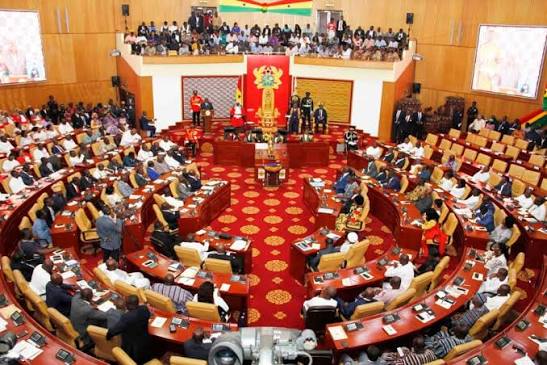
The African Centre for Parliamentary Affairs (ACEPA) has called for equitable budgetary allocations among Ghana’s three arms of government.
The Executive Director, Dr Rasheed Draman believes that although the government must consider prevailing fiscal constraints when determining public expenditure; however, “Parliament should not be disadvantaged in the allocation of national resources.”
In an interview on the proposed reduction of Parliament’s 2027 budgetary allocation, Dr Draman endorsed the concerns raised by the Speaker of Parliament, Honourable Alban Bagbin, arguing that the legislature requires sufficient resources to perform its constitutional duties effectively. He nevertheless cautioned against placing the responsibility entirely on the President, insisting that Parliament must also exercise its authority during the consideration and approval of the Appropriation Bill.
“If we are running austerity, I think all branches of government have to be treated equally. I mean, over the years, Parliament has not been treated fairly, I mean, in my humble view.”
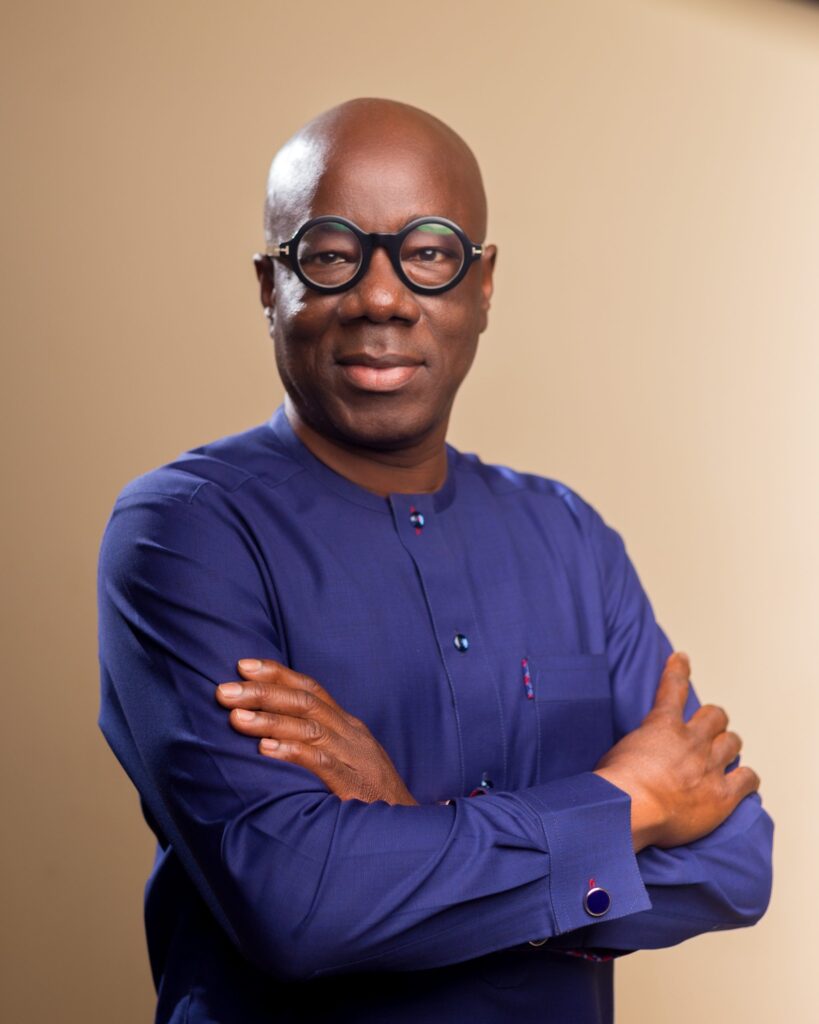
Dr Rasheed Draman
Elucidating the financial considerations underlying the President’s proposed reduction, the Parliamentary Affairs Analyst acknowledged that fiscal space is an important determinant of national budgetary allocations. He introduced the concept of the “common pool problem” explaining that Members of Parliament often seek constituency-specific allocations without necessarily having access to the complete financial picture available to the Executive.
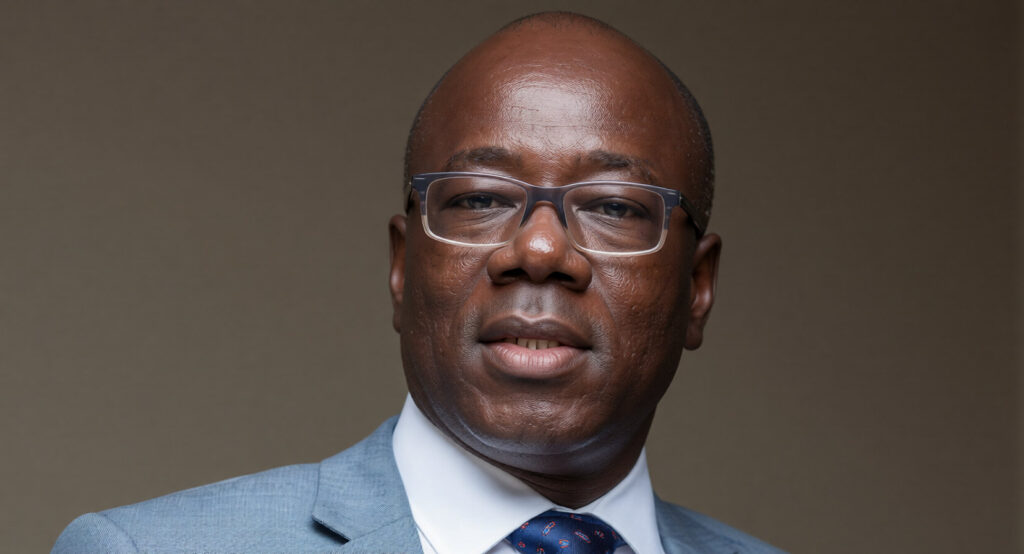
Nevertheless, Dr Draman contended that Parliament occupies an indispensable position within Ghana’s democratic architecture, particularly because “its oversight responsibilities require institutional independence and adequate funding.”
He further identified longstanding infrastructural deficiencies within Parliament as evidence of the financial difficulties confronting the legislature. At Job 600, he observed that several air conditioning systems and elevators were not functioning, circumstances he believes could impede the working conditions of legislators and parliamentary staff.
In addition, the Executive Director questioned the disparity in institutional support between Parliament and the Executive, particularly concerning transportation arrangements. He noted that some Chief Executives within decentralised structures receive official vehicles and drivers, whereas Members of Parliament are expected to obtain loans to purchase vehicles for their legislative and constituency responsibilities.
ACEPA Demands Fair Comparison Of Government Budget Allocations
Meanwhile, the African Centre for Parliamentary Affairs (ACEPA) also called for a comprehensive comparison of the financial allocations to Ghana’s three arms of government, insisting that Parliament’s funding requirements should be assessed alongside the expenditure growth of the Executive and Judiciary.
The Executive Director, Dr Rasheed Draman argues that examining Parliament’s budgetary increases in isolation provides an incomplete picture of the financial resources available to the state’s democratic institutions, particularly when determining whether the legislature receives sufficient funding to discharge its constitutional responsibilities.
Focusing on the proposed reduction of Parliament’s 2027 budgetary allocation, Dr Draman challenged the use of successive increases in the legislature’s funding as sufficient justification for questioning its financial requirements. He proposed that a meaningful assessment must also establish how allocations to the government machinery have evolved over the same period.
“So for me, I think my argument is centered around the fact of fairness to the three branches of our government. You know, the branches have to stand on three equal feet.”
Dr Rasheed Draman
Responding to figures indicating that Parliament’s allocation increased from GH¢1.6 billion in 2026 to approximately GH¢2.95 billion in the 2027 Budget before the President proposed a reduction to GH¢2.2 billion, the ACEPA Executive Director emphasised his position that the legislature’s funding requirements must be considered against its actual operational needs.
He explained that Parliament experienced considerable financial difficulties during the 2026 budgetary year, with several legislators unable to access properly maintained office facilities owing to inadequate funding for repairs. Dr Draman recalled that the economic reset agenda had previously informed the government’s emphasis on fiscal restraint, which partly explained the limitations imposed on institutional expenditure.
Nevertheless, he observed that public expenditure generally increases over time, making it necessary to examine the financial trajectory of all three branches before drawing conclusions about Parliament’s allocation.
The discussion also examined Parliament’s budgetary history, with its allocation rising from GH¢308 million in 2017 to GH¢523 million in 2021, following a reduction to GH¢245 million in 2020 amid the economic effects of the COVID-19 pandemic. Subsequently, the allocation increased to GH¢1.5 billion in 2025 and GH¢1.6 billion in 2026 before reaching approximately GH¢2.95 billion in the 2027 Budget.
However, Dr Draman cautioned against interpreting these figures without examining corresponding increases in the resources allocated to the Executive. He acknowledged that the government machinery legitimately requires greater funding because of the extensive responsibilities performed by the President and the Executive.
“I think that, perhaps to get a much clearer and bigger picture, we should put the figures of the three branches and I mean all the three branches, so that we can do a proper comparative analysis and we can look at the figures.”
Dr Rasheed Draman
Rather, he proposed examining the growth trajectory of the Office of the President over the same decade to establish whether institutional allocations have evolved proportionately.
READ ALSO: Mahdi Gibril: NDC Government Cannot Satisfy Every Ghanaian