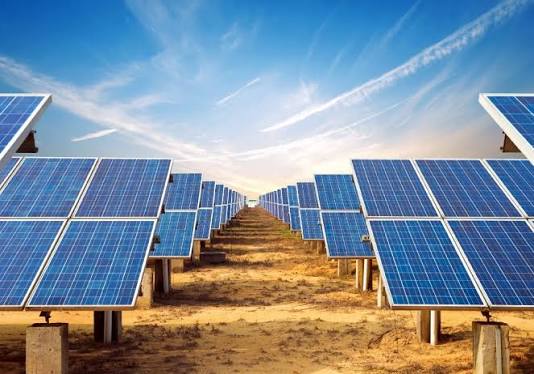
Nigeria’s latest renewable-energy investment push is placing decentralised electricity generation at the centre of its strategy to close access gaps, offering an important policy lesson for Ghana as both countries seek to expand electricity supply without relying exclusively on large-scale grid infrastructure.
The development gained attention on Friday, November 27, following renewed calls by Nigeria’s Power Minister, Joseph Tegbe, for stronger private-sector participation and innovative financing to accelerate renewable energy deployment.
At the centre of the country’s strategy is the US$750 million World Bank-backed Distributed Access through Renewable Energy Scale-up (DARES) programme, which targets improved electricity access for more than 17.5 million Nigerians through mini-grids and standalone solar systems.
The programme is significant because it shifts part of the electricity-access challenge away from the traditional model of extending the national grid to every community and towards smaller, decentralised systems that can supply underserved locations.
For Ghana, the development raises a relevant question: can decentralised renewable energy become a more effective instrument for expanding electricity access, supporting rural businesses and reducing pressure on the national grid?
The answer will depend not simply on the availability of solar resources, but on whether financing, regulation and project implementation can make these systems commercially sustainable.
Nigeria Moves Beyond Grid Expansion
Nigeria’s electricity-access challenge is substantial, with many communities still dependent on unreliable grid connections or alternative sources of electricity.
The DARES programme is designed to address part of that gap through mini-grids and standalone solar installations, particularly in areas where extending conventional transmission and distribution infrastructure could be expensive or difficult.
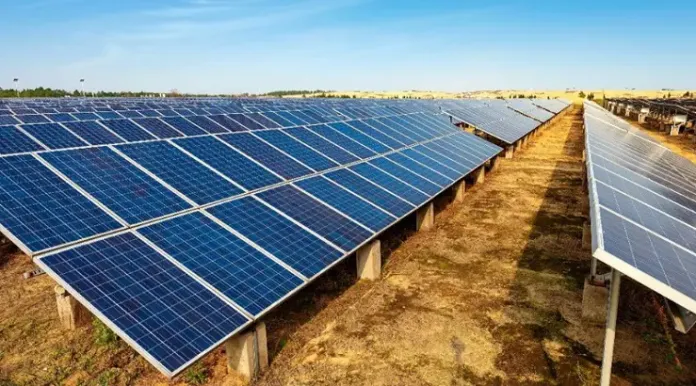
The programme combines public-sector support with private investment, creating opportunities for developers to construct and operate decentralised electricity systems.
Nigeria’s Minister of Power identified renewable energy as an important component of the government’s priorities for grid stabilisation, sector liquidity, asset optimisation and infrastructure expansion.
He also called on developers to undertake proper feasibility studies, assess demand and engage communities before committing capital.
That emphasis is important because mini-grid projects can fail commercially when developers underestimate the electricity demand of a community, miscalculate customers’ ability to pay or overlook the cost of maintaining equipment.
The financing structure is equally important.
The proposed Green Finance and Investment Facility is intended to combine concessional and commercial funding to address financing constraints.
This approach could help reduce the cost of capital for projects that might otherwise struggle to attract private investors because of uncertain revenues, long repayment periods and the limited purchasing power of some rural communities.
The Numbers Behind Decentralised Electricity
Nigeria’s Rural Electrification Agency has reported progress under its Nigeria Electrification Project, including 198 mini-grids, approximately 164,000 connections and 1.4 million solar home systems.
More than 1,000 additional mini-grids are also under development.
The agency further disclosed that partnerships with domestic financial institutions had secured approximately ₦450 billion in financing commitments.
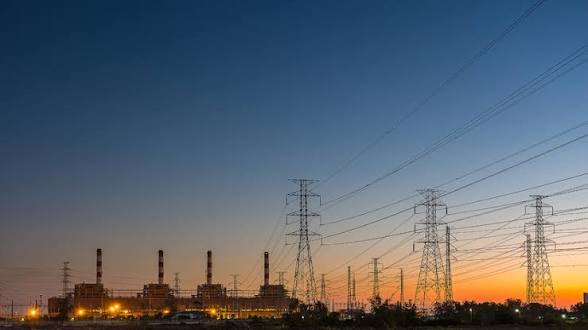
These figures point to a growing effort to establish decentralised electricity as a significant part of the country’s power infrastructure.
However, the distinction between completed installations, projects under development and financing commitments must be maintained.
The existence of more than 1,000 projects in development does not mean that those facilities are already supplying electricity. Similarly, financing commitments do not automatically translate into completed projects or functioning connections.
The real measure of success will be how many systems become operational, how reliably they supply electricity and whether their revenues can support maintenance and long-term operation.
As the forum’s central message emphasised:
“The opportunity is clear. Now, the focus is on delivery.”
That is the challenge facing renewable-energy investment across much of Africa: moving from policy commitments and financing announcements to electricity that households and businesses can actually use.
What Ghana Can Learn
Ghana has already begun exploring decentralised renewable-energy systems through its Mini-Grid and Net-Metering Project, alongside initiatives supporting private solar investment.
The country’s approach includes opportunities for private photovoltaic installers to participate in the expansion of distributed solar generation.
It has also attracted investment into industrial solar development, including the US$39.5 million financing package supporting a 100MW solar project in the Dawa Industrial Zone.
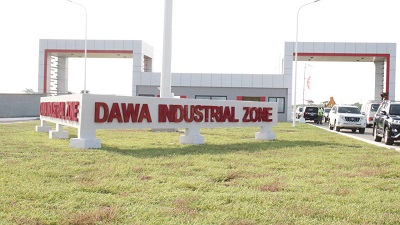
These developments show that Ghana is not starting from zero.
However, the country’s decentralised energy ambitions could benefit from a more deliberate financing framework that connects project developers, financial institutions, local authorities and communities.
Nigeria’s DARES programme offers a useful example of how concessional finance can be combined with private capital to support projects that may not initially be commercially attractive on conventional financing terms.
For Ghana, such a model could be particularly relevant for remote communities, island settlements, farming areas and locations where grid extension is costly.
Mini-grids could also support productive activities such as irrigation, food processing, refrigeration, cold storage and small-scale manufacturing.
The economic value of these systems would therefore extend beyond the number of households connected.
A community with reliable electricity can potentially increase agricultural productivity, reduce post-harvest losses and support businesses that require dependable power to operate.
However, the design of such programmes must be based on actual demand. Installing solar capacity without identifying viable economic activities and the ability of consumers to pay for electricity could create underutilised infrastructure.
Financing Must Follow Demand
The most important lesson from Nigeria’s approach is that expanding electricity access requires more than procuring solar panels and installing batteries.
Developers need financing structures that reflect the financial realities of the communities they serve.
Concessional loans, guarantees, blended finance and local-currency lending can help reduce the risks associated with projects in underserved markets.

Local-currency financing is particularly relevant because developers that borrow in foreign currency but collect electricity payments in cedis or naira face exchange-rate exposure.
A depreciation of the local currency can increase repayment obligations even when the revenue generated by the project remains unchanged.
For Ghana, expanding access to domestic financing could therefore improve the commercial sustainability of mini-grid investments.
The regulatory framework must also establish clear rules for licensing, tariffs, service standards, grid integration and the treatment of privately operated systems when the national grid eventually reaches an area.
Without clarity, developers may hesitate to invest in communities where future grid expansion could affect their customer base and revenue arrangements.
A Complement to Ghana’s National Grid
Ghana should not view decentralised renewable energy as a substitute for strengthening its national transmission and distribution infrastructure.
Large industrial centres, cities and major commercial facilities will continue to require a reliable interconnected electricity system.
But decentralised systems can complement that network by serving locations where grid extension is economically challenging or where additional local generation can improve electricity availability.
The opportunity is to develop a more flexible electricity system in which centralised generation, transmission infrastructure, mini-grids, rooftop solar and battery storage serve different but complementary needs.
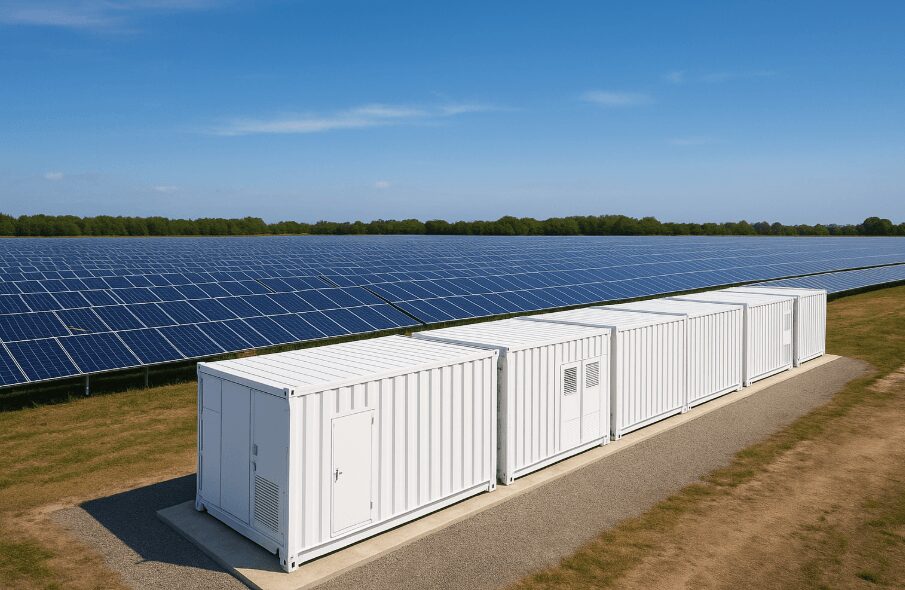
Nigeria’s experience also demonstrates the importance of measuring renewable-energy progress through operational results rather than investment announcements alone.
For Ghana, the next stage should involve identifying the communities and productive sectors where decentralised systems can deliver the greatest economic value, establishing financing arrangements that support long-term operation and ensuring that private developers have predictable regulatory conditions.
The expansion of electricity access is not simply a question of installing more generating capacity. It is about delivering affordable and dependable power to locations where it can improve livelihoods and economic productivity.
Nigeria’s latest investment push offers Ghana another opportunity to examine how public financing and private participation can be combined to achieve that objective.
The ultimate test for both countries will be whether their renewable-energy programmes deliver functioning systems, sustainable businesses and measurable improvements in electricity access.
READ ALSO: Gavi Secures $214m to Expand Africa’s Malaria Vaccines