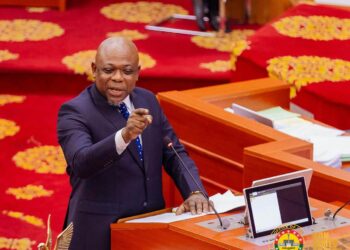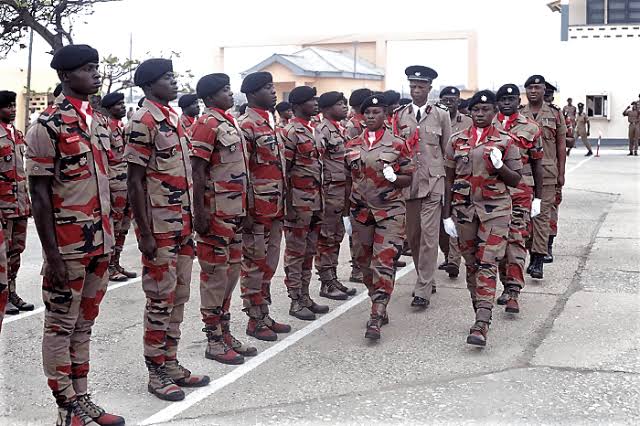
The Interior Minister, Honourable Mohammed Mubarak Muntaka has announced that Ghana records approximately 100 fire outbreaks every week, with some months witnessing as many as 1,500 incidents, prompting renewed scrutiny of the Ghana National Fire Service’s capacity to respond to emergencies.
In an interview on the recurring fire outbreaks, retired Chief Fire Officer (CFO) of the Ghana National Fire Service (GNFS), Dr Albert Brown Gaisie, called for a comprehensive approach to emergency preparedness.
“With the technological and scientific advancements we have all around the world, there is a need to always prepare ourselves to deal with any emergencies that will occur.”
Dr Albert Brown Gaisie
Dr Gaisie, who served as Acting Chief Fire Officer between 2010 and 2011 before becoming the substantive head of the Service, cautioned against treating firefighting as an isolated intervention. Drawing on established principles of fire science, he outlined the 40-40-20 formula, which allocates 40 percent of emergency management to fire safety, another 40 percent to firefighting and the remaining 20 percent to rescue operations.
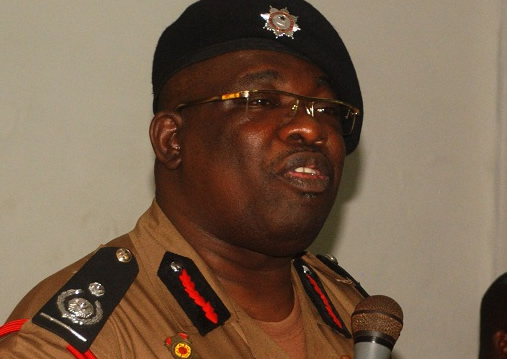
The framework, he elucidated, encompasses prevention and precaution, tactical firefighting and the rescue functions of extrication, resuscitation and evacuation. Consequently, he urged authorities to strengthen all three components instead of concentrating exclusively on responding after fires have taken hold.
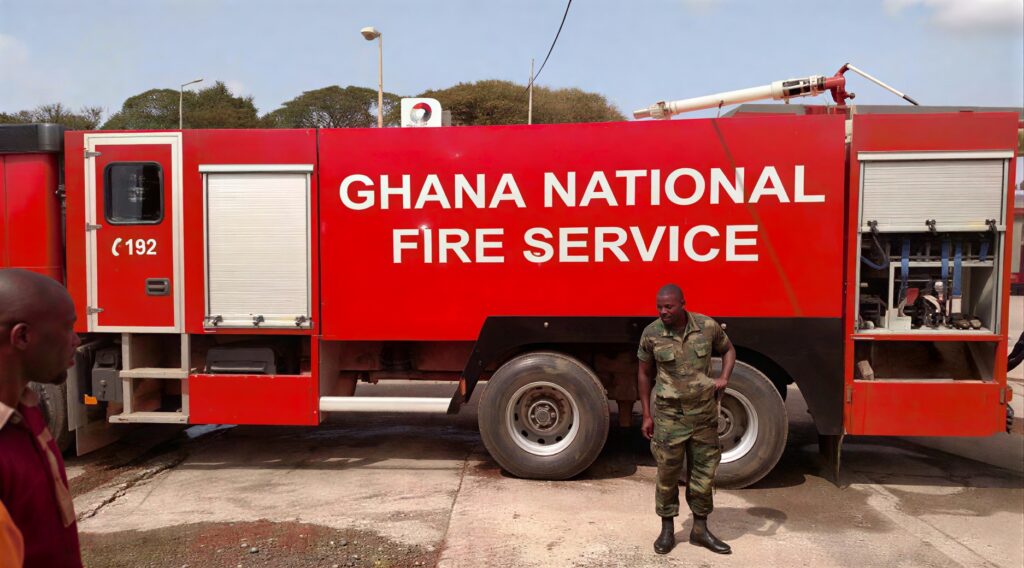
Turning to the Service’s equipment needs, the former Chief Fire Officer recalled that during his tenure, he facilitated the importation of a number of fire engines.
However, he expressed concern that the period since then has not witnessed a comparable retooling exercise. “I had the privilege to import about 111 or so fire engines to this country,” he remarked, before lamenting that “since that time, there hasn’t been any serious one to retool the fire service.”
Beyond the acquisition of fire engines, Dr Gaisie identified ancillary and auxiliary equipment as indispensable to effective emergency response. Such resources, he explained, could enable firefighters to contain incidents at their inception, preventing relatively small outbreaks from developing into destructive emergencies.
He also pointed to the importance of incident management command centres, citing emergency coordination facilities in the United States as examples of systems that can be activated when crises occur. For him, Ghana’s preparedness must extend beyond the availability of fire tenders to include operational mobilisation and capacity building.
The retired officer further problematised the assumption that emergency services can adequately prepare for every incident through routine arrangements alone. Emergencies, he observed, can occur unexpectedly, making continuous investment in personnel, equipment and coordination essential.
Frequent Fires Strain Firefighters’ Capacity
Beyond the challenge of securing adequate firefighting equipment, the frequency of fire outbreaks in Ghana is placing additional pressure on the operational capacity of the Ghana National Fire Service (GNFS).
Retired Chief Fire Officer, Dr Albert Brown Gaisie believes the consequences extend beyond the immediate destruction caused by fires.
“For instance, within a five-hour period, firefighters may respond to as many as six fire outbreaks. You can imagine the physical demands involved. The effects of diminishing returns may also begin to set in, affecting their efficiency.”
Dr Albert Brown Gaisie
The former Chief Fire Officer, who served substantively between 2011 and 2014, identified the cumulative demands of repeated deployments as a significant consideration in assessing the Service’s performance. His observation suggests that the frequency of emergencies must be considered alongside the number of available fire tenders, the distribution of stations and the resources assigned to personnel.
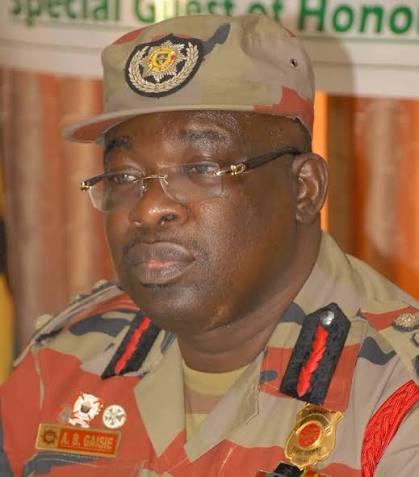
Dr Gaisie cautioned that firefighters cannot be expected to sustain optimal operational performance when successive incidents place continuous demands on their physical and professional capacities. Accordingly, he urged authorities to examine the conditions under which personnel undertake emergency duties, including the support available to them after demanding operations.
In addition to improving equipment and logistical support, the retired officer advocated sustained investment in the operational training of firefighters.
He called for both internal and external training opportunities to strengthen their competence and prepare them for the varied demands of emergency response. “There’s a need to give them that support, and also give them some good package like insurance, care packages and also better welfare facilities for them,” he remarked.
In recent times, there have been fires at Accra Timber Market, Dome Pillar, Airport Residential and Circle. The GNFS attributes the Timber Market blaze to cooking activities, highlighting the dangers of combustible domestic practices.