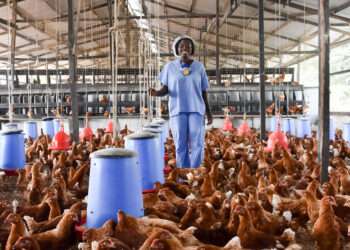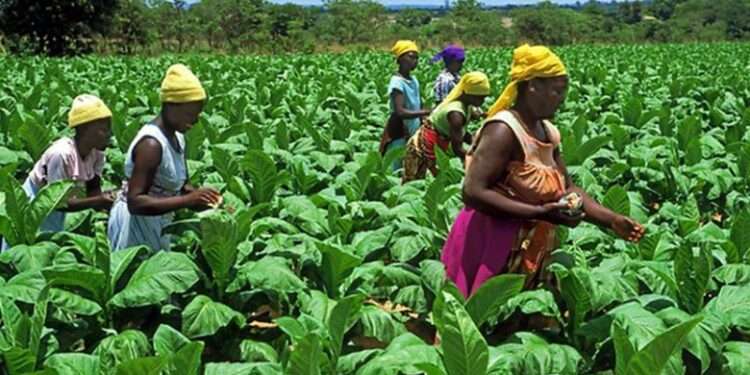
The Ghana Incentive-Based Risk-Sharing System for Agricultural Lending Project (GIRSAL) has proposed a credit guarantee financing system for future fertiliser subsidy programmes (FSP) to boost food security in the country and aid growth in the agricultural sector.
According to GIRSAL Chief Executive Officer, Kwesi Korboe, the credit guarantee-backed financing arrangement will tremendously reduce interest costs on fertilisers to farmers.
“The credit guarantee for financial institutions to establish letters of credit (LC) for participating firms, backed by government promissory notes to GIRSAL, will reduce cost of capital to firms by at least two percent based on a deferred LC for a maximum of six months; and will also reduce the interest component in the fertiliser price build-up.”
Kwesi Korboe
Commercial Letters of Credit
The GIRSAL Boss noted that commercial letters of credit (LCs) can offer guarantees to sellers that the monies will be paid while assuring customers that no payment will be made until the goods are received. This, according to him, will ensure cost reduction and encourage competition to drive fertiliser prices further down.
Mr. Korboe averred that the government does not have to pay money to companies for the supply of fertiliser, saying, “The credit guarantee finance strategy will eliminate rent-seeking”.
“Indeed, the FSP under the PFJ has allegedly been dented by rent-seeking – whereby companies have engaged in manipulation of the policy for increasing profits, though the quality of inputs supplied were questionable.”
Kwesi Korboe
Assessing the fertiliser subsidy impact on farmers, an agricultural policy researcher and advisor who led GIRSAL’s FSP assessment project, Dr. George T.M. Kwadzo, said the entire PFJ programme under which the subsidy programme falls lacks policy coherence.
“The FSP through the PFJ should have been designed to complement the success of the School Feeding Programme and the One Village, One Dam Policy. But that policy coherence was not seen in our assessment of the policy’s implementation.”
Kwesi Korboe
GIRSAL’s assessment recommended that timely availability of subsidised fertilisers and seeds must be considered in future subsidy programmes.
The assessment also proposed that subsidised fertilisers should be provided all year round to cover both minor and major seasons. Warehouse systems in districts must be prioritised, it said.
The assessment further recommended that commercial farmers must be integrated into the FSP programme while digitisation must be deployed in fertiliser distribution and mechanisms to link farmers to markets.
Meanwhile, speaking at the recent launch of an agriculture product under the Sustain Africa Initiative at Kpone in Tema, Minister of Food and Agriculture Bryan Acheampong, revealed that from June this year, the ministry will roll out a more sustainable five-year food security and availability plan to replace the PFJ.
READ ALSO: UCC Dean Berates Bank of Ghana: You Have No Power to Refuse to Restore Licenses of Collapsed Banks