Ghana’s path to growth requires a multifaceted approach in this uncertain global economy, and navigating between global and regional geopolitical complexities could be a crucial path.
According to KPMG, the general idea of a geopolitical shift points to its transmission of risk to economies. Ghana’s economy was deeply impacted by the geopolitical stance between the United States and China, as well as the Russia-Ukraine war. Ghana has, however, managed to restore the economic fortunes of the country through local remedies.
“Shifting geopolitics not only engenders higher risk, but a world in transition can also bring new opportunities to those who can stay ahead of the geopolitical game.”
KPMG
Growth Opportunities to Leverage in these Times
Ghana and the African continent have a significant opportunity ahead, KPMG noted. The challenge, however, is the ability to leverage the opportunity, “which could foster significant regional and global growth.”

The African Continental Free Trade Area (AfCFTA), the firm pointed out, “is set to transform regional markets and economies, potentially lifting 30 million people out of extreme poverty by 2035.” Ghana’s economic success through this path requires substantial policy reforms and trade facilitation measures. Even in the face of global risks, the region, Ghana included, “has a favorable demographic outlook which predicts an addition of 796 million people to the global workforce by 2050, making it home to the largest and youngest population.”
As the government, business leaders, and businesses ponder the risk being transmitted economically from developed economies, Ghana must look within to utilize the small, yet economically transforming actions that come naturally to the country, the firm stated.
There is still growing demand for hydrocarbons, mining commodities, and critical minerals, as developed and developing countries structure their energy markets. Ghana, with its status as the 6th country in the world with the highest gold deposit and a significant deposit of other high-value minerals, should maintain a strong export performance. Value addition to these exports is necessary to double export earnings.
KPMG alluded to a situation in the sub-region where ongoing disputes in the Red Sea are causing shipping operations to reroute, benefiting South Africa and West Africa ports with increased toll revenue. Ghana might not benefit from such a situation, but the country is fortunate to be connected to the Gulf of Guinea. Well-developed ports along the coasts could attract lots of business and revenue from inland countries within proximity.
According to KPMG, large firms in Ghana need to adopt new corporate approaches to understand and manage the complex interplay of geopolitics, operational issues, cybersecurity, and supply chain risks that aggravate state-sponsored attacks and regulatory pressures that challenge their organizational resilience.
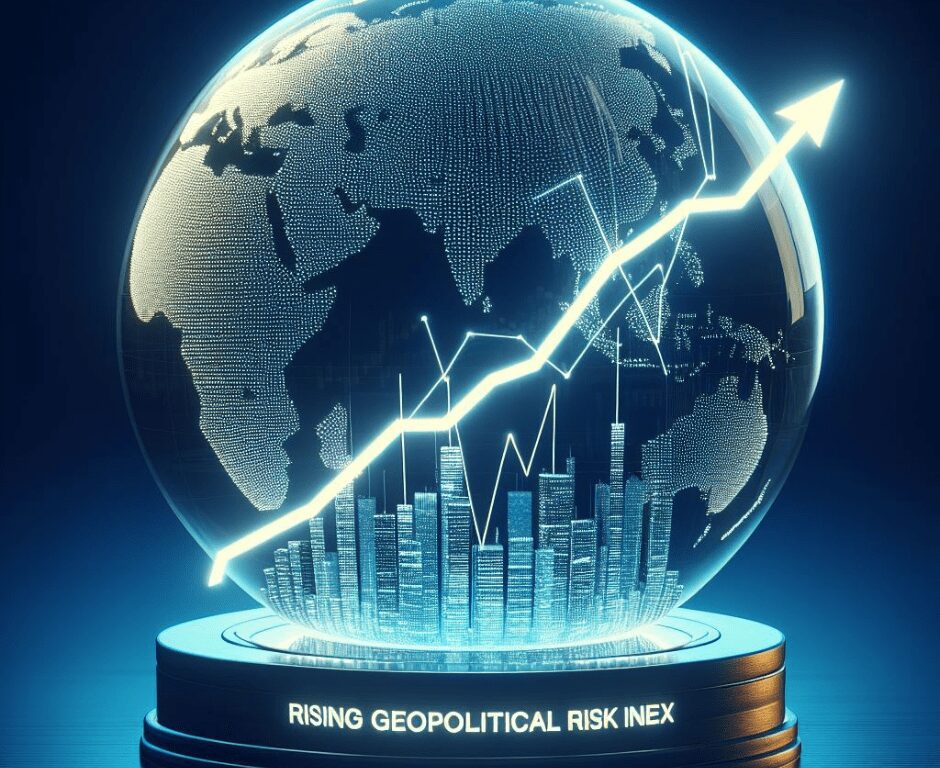
Geopolitical competition among major powers disrupts supply chains and pricing pressures, which leads to economic fragmentation. By addressing challenges posed by geopolitical tension – such as self-reliance, developing the agriculture sector to ensure food sufficiency and security, proper management of resources, prudent management of the economy by eliminating leakages through corruption, and fiscal discipline – Ghana can reduce excessive external reliance to cushion the economy from tensions that erupt without.
The firm reiterated that to ensure economic resilience and a thriving economy in an uncertain world, it requires proactive measures to reform and maintain continuity. Ghana should incorporate geopolitical risk assessment into its strategic planning, KPMG added.
Ghana’s Current State Against Geopolitical Risk
Ghana has put in certain measures to shield the economy from geopolitical risk by instituting a long-term multifaceted approach to ensure that shocks in certain key areas – mainly economy and security – are preempted.
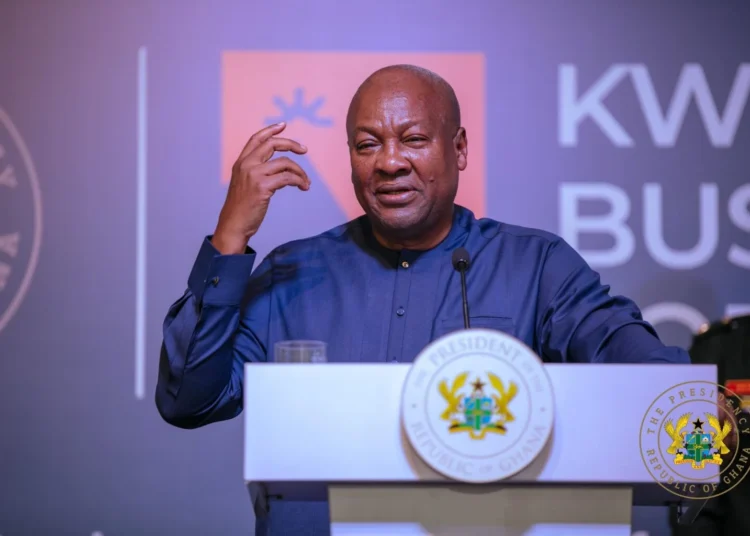
President Mahama and his government, since its inception, have focused on resetting, restoring, and consolidating the macroeconomic gains by adhering to strict fiscal discipline as well as executive discipline. Through this, the various sectors and State-Owned Enterprises (SOEs) have been restored to some level of efficiency. The energy sector reforms, financial management reforms, agriculture sector reforms, and promoting infrastructure development are all being improved. Steadiness, consistency, and focus are needed for a successful finish on the part of the government.

The Bank of Ghana has also implemented certain reforms in the financial sector, employing a robust monetary policy to stabilize inflation and the Ghanaian cedi. Monetary policy rate has been further reduced to manage liquidity, build strong external reserves, and enable businesses to expand. These create a defense shield for the country against some level of external shocks.
The Finance Ministry has improved Ghana’s debt management and transparency by paying off a significant amount of the country’s public debt, following a successful Eurobond exchange and prudently following the IMF-supported recovery program.
The government is focused on diversifying the economy through relentless initiatives to revamp the agriculture sector for growth. The government is also ensuring private sector development with a stable macroeconomic framework, reduced interest rates, and a policy rate. Export-oriented diversification is also a tool the government is using to reduce reliance on a single commodity and external dependencies.
The government is embarking on a series of campaigns, both at home and abroad, to improve the investment climate and attract Foreign Direct Investment (FDI). This is in line with the government’s strategy to improve private sector participation and private capital to build infrastructure and support the government’s flagship programs.
These are to reinforce Ghana’s sovereignty and independence, build the country’s national capacity, manage its resources to benefit its people, stop begging for support but rather seeking partnerships and investment, and improve Ghana’s integrity in the global economy.
READ ALSO: World Economy in Danger as Policy Buffers Run Dry – IMF Issues Stark Warning