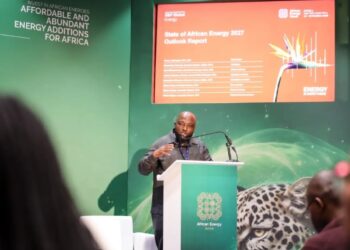

Ghana has reiterated its commitment to advancing regional cooperation and accelerating the transition to sustainable energy as it hosts the West Africa Energy Cooperation Summit (WAECS) in Accra.
Speaking at the opening of the summit, the Minister for Energy and Green Transition, Hon. John Abdulai Jinapor, said the event underscores Ghana’s long-standing dedication to building an integrated and resilient energy future for West Africa.
“Hosting WAECS reflects Ghana’s enduring commitment to regional energy cooperation, sustainable development and just energy transition,”
Hon. John Abdulai Jinapor, Minister for Energy and Green Transition
He stressed that the platform aligns closely with both the ECOWAS integration agenda and Ghana’s ambition to strengthen its position as a regional energy hub.
According to Hon. Jinapor, the summit provides an essential convening point to “mobilise investment and deepen collaboration across West Africa” at a time when the sub-region faces rising energy demand and evolving technological challenges.
Hon. Jinapor highlighted the strategic value of WAECS in attracting diverse private-sector participation and sparking new forms of collaboration.
He described the gathering as “an exceptional opportunity for both local and international stakeholders to explore emerging energy investment prospects in renewables, gas to power, regional interconnectivity and digitalisation,” noting that such partnerships are vital for regional resilience.
By bringing together government officials, utilities, financiers, technology providers and regulators under one roof, the minister underscored that the summit would “help galvanise action towards concrete transformational outcomes for the sector.”
Calls for a Unified West African Power System
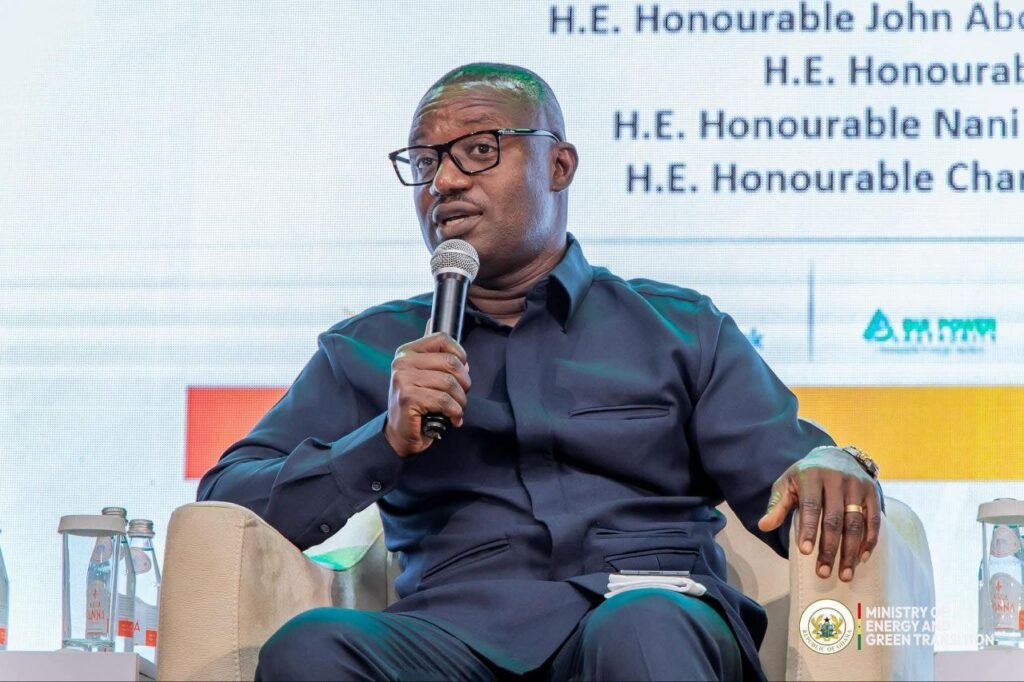
During his keynote address, Hon. Jinapor emphasised that meaningful progress in the region requires a strong move away from fragmented national power networks.
“I stressed the need for stronger regional power integration to ensure a reliable, affordable, and sustainable energy future for West Africa.”
Hon. John Abdulai Jinapor, Minister for Energy and Green Transition
He urged countries to expand cross-border interconnections, promote shared ownership of generation and transmission assets, and invest more heavily in renewable energy infrastructure.
According to him, isolated national energy systems have outlived their usefulness in an era defined by volatility in fuel prices, rising climate pressures and increasing electricity demand.
He argued that expanded interconnection enhances efficiency, stabilises supply and creates economies of scale that individual countries cannot achieve alone.
The minister said, “I commended the West African Power Pool for successfully synchronizing the power grids of Ghana, Togo, Benin, and Nigeria,” emphasising that the data and operational lessons from the synchronisation will “inform a permanent regional power market strategy.”
He noted that such progress demonstrates both the technical feasibility and the economic potential of a unified regional electricity system capable of allowing seamless exchange of power across borders.
Alignment Between AfCFTA and ASEM Seen as Critical
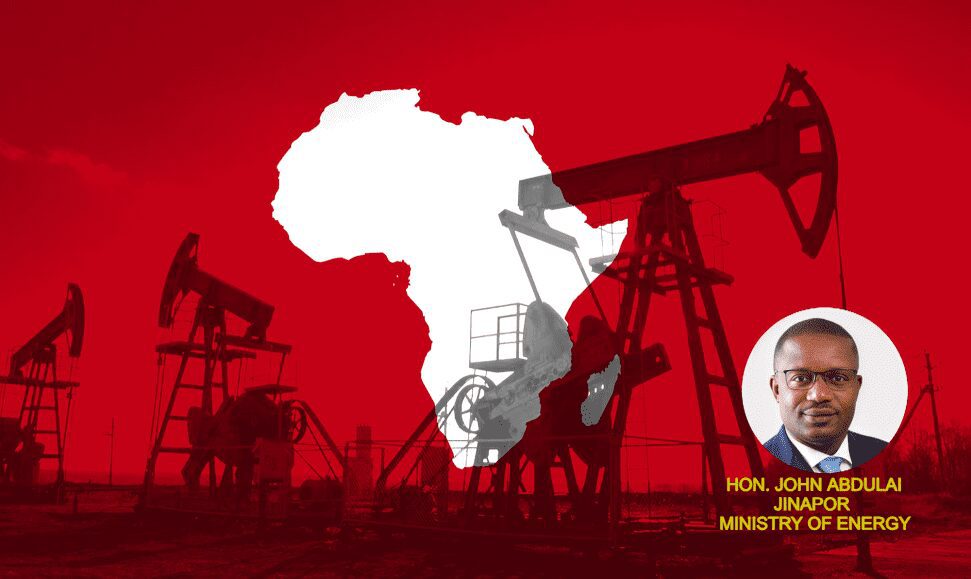
The minister also underscored the need for policy coherence across regional economic and energy frameworks. He called for deeper alignment between the African Continental Free Trade Area (AfCFTA) and the emerging African Single Electricity Market (ASEM).
According to him, harmonising these frameworks would drive the development of robust cross-border infrastructure and facilitate standardized regulatory environments that lower investment risks.
“I called for alignment between the African Continental Free Trade Area and the African Single Electricity Market to drive cross-border infrastructure and harmonized regulations.”
Hon. John Abdulai Jinapor, Minister for Energy and Green Transition
Hon. Jinapor further urged member states and private investors to prioritise regional investment planning supported by transparent and enforceable commercial instruments.
He stated, “Lastly, I urged commitments to regional investment planning, standardized grid codes, and bankable PPAs to unlock efficiency and scale,” pointing out that predictable regulatory environments remain a major incentive for power-sector investors.
Closing his address, the minister reaffirmed Ghana’s readiness to work closely with ECOWAS partners and the private sector to shape a stronger, more interconnected regional energy ecosystem. “Together, we can build a unified, sustainable energy future for West Africa,” he said, calling for collective resolve to push forward a just, inclusive and forward-looking energy transition.
READ ALSO: Otumfuo Concludes Bawku Peace Talks, Set to Submit Final Report to Mahama