Australia has become the first country to ban under-16s from social media as a new legislation which bans under-16s from using a host of social media platforms comes into effect.
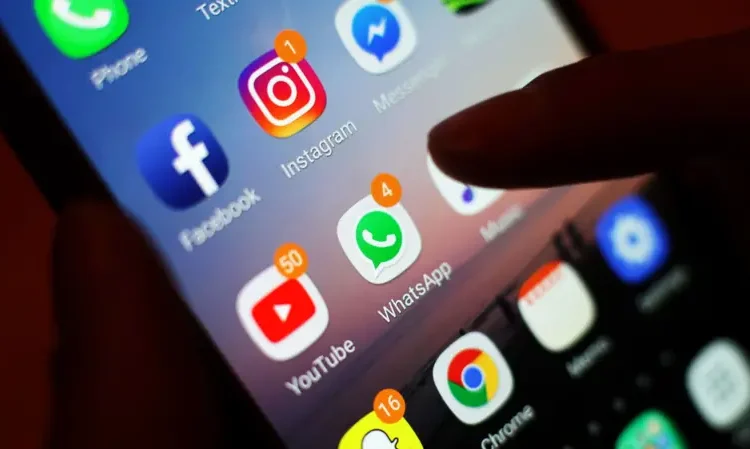
Platforms falling within the legislation include Facebook, Instagram, Snapchat, Threads, TikTok, X, YouTube, Reddit and streaming platforms Kick and Twitch.
However, other sites such as YouTube Kids, Google Classroom and messaging apps like WhatsApp will still be available for young children to use.
Australia’s new legislation places responsibility for enforcing the ban on tech companies themselves. The law stipulates that the companies take “reasonable steps” to prevent children from accessing accounts and has advised using multiple age assurance technologies such as government IDs, face or voice recognition.
Fines will be issued for social media companies which breach the new law by not taking “reasonable steps” to ensure children can’t access the sites. Those deemed as having failed to block underage access face fines of up to A$49.5m (US$33m, £25m). The Australian government has said that it will keep the list of affected platforms under review.
In anticipation of the rule coming into effect, Meta, which owns Instagram, Facebook and Threads, began removing Australian children under 16 from its platforms last week. A spokesperson for Meta told a news agency at the time that “compliance with the law will be an ongoing and multi-layered process.”
Snapchat has said that users can use bank accounts, photo ID or selfies for verification. Just how difficult it proves to enforce remains to be seen – with possibilities including fake profiles, joint accounts with family members and the use of VPNs.
The Australian government has labelled the move “world-leading.” The government says the ban is aimed at protecting young people from harmful content.
However, the new law has also been criticised, both by tech companies and teens themselves.
Critics suggest that the move could isolate vulnerable teenagers and push children into unregulated corners of the internet.
The ban will be watched worldwide as other countries have also grappled with how to mitigate the potential harms of social media for young children.
Chief Executive of the UK’s media regulator, Ofcom, Melanie Dawes described Australia’s social media ban as a “very big step to take.”
Speaking to a news agency before the legislation took effect in Australia, she said, “it’s going to be interesting to see how it plays out.”
She disclosed that in conversations with Australia’s eSafety Commissioner, the ban has been described to her as a “delay.”
“It’s about, actually, postponing that moment when children get social media, and they’re putting a lot of effort into education and support for those teenagers under 16 to prepare them for then what happens when they do go online with social media later.”
Melanie Dawes
In July, Ofcom rolled out new measures aimed at restricting what children can see online, including pornography and other harmful material.
They also put the onus on tech firms, including social media companies, to ensure children weren’t exposed to harmful content.
Under-16s Urged To Make The Most Of The Ban
In a video message recorded ahead of the ban, Australian Prime Minister, Anthony Albanese told under-16s blocked from social media to “make the most” of the upcoming school holidays.
He suggested some alternative activities. “Start a new sport, learn a new instrument, or read that book that has been sitting there on your shelf for some time,” he said.
He added, “Importantly, spend quality time with your friends and your family, face to face.”
He stated that young people “know better than anyone” of the pressure that comes from engaging with social media, adding that the government has banned its use for under-16s to support them.
READ ALSO: Mahama Rallies Africa to Lead Its Own Health Future @2025 WHX Leaders Africa Summit